
| No | Name | Description |
|---|---|---|
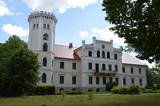 |
Skaistā ēka atrodas Lizuma centrā. Lizuma muižas īpašumi piederējuši dažādām dzimtām – vācbaltiešiem Tīzenhauzeniem, Malamiem un Volfiem. 1836. g. muižu iegādājas barons Otto Gotlībs fon Volfs, kura laikā muižas pils iegūst tagadējo veidolu – Tjudoru neogotikas stilu ar poligonālu torni. Jau no 1937. g. pilī izvietojusies Lizuma skola, kas ir viens no iemesliem, kādēļ saglabājusies ne tikai pati ēka, bet arī atsevišķi interjera elementi kāpņu telpā, Zilajā (Mednieku) zālē u.c. Pili ieskauj parks, kur atrodas muižas saimniecības ēkas – mūra klēts (te kultūras nams), 1876. g. celtais zirgu stallis (sporta halle), kalpu un dārznieka namiņš u.c. Bijušajā spirta brūzī ražo Gotiņas konfektes. Pils tornī izveidots Lizuma vidusskolas veidotais novadpētniecības muzejs. |
|
 |
This trail's purpose lies on the fact that herbal therapy is the oldest known system of medicine. Being outside, in fresh air, in nature affects our health positively. While hiking with a phytotherapist you will get to know more about the nature's wild herbs that can help our livelihood and also do some light exercises. If you want, you not can only walk the trail but also relax in a sauna or/and visit a workshop. |
|
 |
The farm produces six different kinds of blackberries. You can tour the surrounding fields, learn about how blackberries are grown, and taste and purchase valuable berries. Your children will love the rabbits and goats that are at the farm. |
|
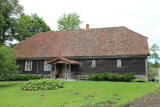 |
The manor is in Basi in the Gudenieki Parish of Kuldīga District, some 20 km from the district centre. The manor was built in the 19th century, burned down in 1905, and then restored. A former residence for servants and an old magazine barn have survived. The surrounding park covers 4.5 ha, and the estate is a cultural and historical monument of local importance. The barn was fully reconstructed in 2009 and 2010 with co-financing from the European Union, and today it is the Basi Culture Centre. In 2019, there is to be an interactive exhibition about Suiti events in Gudenieki -- baptisms, weddings, funerals, etc. |
|
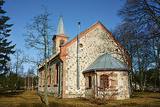 |
Kolka Evangelical Lutheran Church. A story has survived of one Danish trader saved in a shipwreck at Kolkasrags who in gratitude built a church in Kolka. The church had changed its location for three times in Kolka. The foundation of the church visible nowadays and built of boulders was laid by Karl Ludwig Ferdinand von der Osten-Zaken, the former owner of the Dundaga estate. It was built instead of the wooden church (or close to it) which was heavily damaged during the Crimean War. The first construction works were started in 1885 by the construction foreman Otto Sievert (Architect: T. Zeiler). In the Soviet time, the church was vandalized and it was used as a warehouse. It is worth to see the modern- style altarpiece |
|
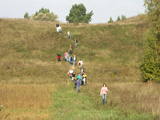 |
The Markova information trail is the most diverse and impressive trails along the upper reaches of the Daugava river in terms of objects and landscapes. The visitor will go to the top of the Markova castle hill, which offers a great view of the river valley. The deep Putāni stream valley will be crossed to get to the cliffs on the right bank of the Daugava. Here, the visitor will see one of the most unusual landscapes of Latvia’s river valleys. There is the Slutišķi village of Old Believers, along with the mighty Slutišķi cliff in the background. The trail is 1.6km long, and it will take an hour or two, particularly if the visitor chooses to tour the village and the homes of the Old Believers.
|
|
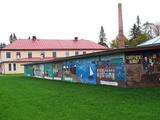 |
The late 19th C saw an increase in the development of dairy products in Estonia. The Dairy Museum was established in 1976 to preserve, research and exhibit the history of dairy production. Collections are exhibited both indoors and outdoors, our programmes are very popular and guided tours for groups are available on request. Estonian Dairy Museum tells guests about making dairy products at home, displays and exhibitions on dairy history are also available here. The museum also organises sweet cheese snack, cheese, ice-cream and butter making masterclasses. |
|
 |
The farm has a herd of 70 cows to produce milk, yogurt, cottage cheese, cream and cheese. It is open to shoppers every Friday. |
|
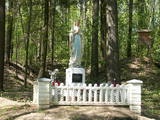 |
The castle hill of Milka is situated near Lake Sālaja and River Malta; 27m above the lake level. Local
businessman cleaned the hill and placed the statue of Mother of God there. It is a a symbol of Latgalian
strong faith into God and Virgin Mary.
|
|
 1 day
|
Dodieties ekskursijā, lai gūtu ieskatu lauku profesijā un dzīvesveidā, kā arī iegūtu jaunus iespaidus un labu atpūtu visai klasei. Ekskursijas laikā apmeklējiet mini zoo, kur apskatāmas aitas, kazas, Ķīnas lielās cūkas, truši, dažādi eksotiskie dzīvnieki un putni. Bērniem īpašu prieku sagādā saskarsme ar mājdzīvniekiem un Japānas makaka – pērtiķa Nilsona izdarības. Pēc tam apmeklējiet zemnieku saimniecību, kurā izveidots atrakciju parks ar vairāk kā 20 atrakcijām 3,5 hektāru platībā. Ekskursijas noslēgumā dodieties uz atpūtas kompleksu pašā Zemgales sirdī, lai apskatītu vējdzirnavas un izceptu paši savus pīrāgus. |
|
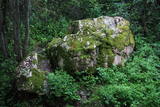 |
Līdz akmenim aizved (ir norādes) skaista taka, kas līkumo pa Rogāļu strauta izrauto gravu. Strauta kreisā krasta nogāzē, ~ 0,1 km pirms tā ietekas Daugavā, iegūlis 6,5 m garais, 4,6 m platais un līdz 3,7 m augstais Rogāļu akmens, kura tilpums ir novērtēts ap 40 m³. Blakus tam atrodas liela atlūza. |
|
 |
This is an ancient populated area. There were 50 homesteads here during the 1930s, with only ten remaining in 1990. The Livonian scholar and entomologist Kārlis Princis (1893-1978) was born in Oviši. In 1944, he emigrated to Sweden. The Oviši lighthouse (1814) is 38 metres high and is the oldest functioning lighthouse in Latvia. There are lovely views from the top of the lighthouse. The building in which employees of the lighthouse used to live was erected in 1905 and has been preserved. A narrow-gauge train station was in the building at one time. The Oviši Lighthouse Museum is nearby, as is the metal Tree of Austra. Opposite Cape Oviši is a great place for bird watching. |
|
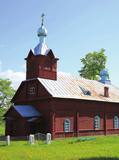 |
Tiskādi Old-Believers Prayer House was built in 1886 and reconstructed
in 1905. The large church was sanctified 100 years ago. It is situated in the district which is mostly populated by Old Believers. The church stands on the hill.
|
|
 |
Atrodas 200 m ziemeļaustrumos no akmens tilta pār Tebru. Ūdensdzirnavu komplekss celts 18. gs. beigās – 19. gs. sākumā uz Tebras upītes, uzpludinot Dzirnavdīķi. Blakus dzirnavām atrodas 19. gs. beigās celtā Aizputes muižas alusdarītava, apvienojot divas vecākas Pilsmuižas saimniecības ēkas. |
|
 7 days
|
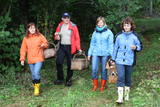
Mushrooming is one of the most popular autumn activities in Latvia. The tour is lead by a professional mycologist and combines the mysterious world of funghi with local historic heritage and mushroom preparation traditions. Mushrooming starts at one the most popular mushroom pickers' sites in the suburbs of Riga. Then it's on to try various locations in the mushrooming paradise of the Gauja National Park, walk nature trail along the Amata river and have a picnic at picturesque outcrop Zvārtes Rock. Further on, the route reaches charming Ungurmuiža Manor park with its ancient oak trees and some specific fungal species. Next the tour visits a shiitake mushroom grower and mysterious Zilaiskalns hill featuring a highland landscape as well as the flatlands of Lake Burtnieks. Zīle Forest is a rare European biotope with ancient oak forest and park type meadows while the natural coniferous forest at Mežole is one of the richest interms of biological diversity. Here you can find mushrooms which are indicators of natural forest. You also visit oyster mushroom growers along the route. Then it's Āraiši reconstructed Bronze Age settlement built on a lake where there are good examples of how mushrooms can damage and destroy man made objects. At one of the guest houses the chef will demonstrate how to cook your collected mushrooms the local way. |
|
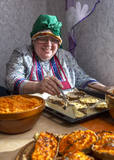 |
A true Latvian landlady, Skaidrīte Nagliņa, will welcome you to this farm and show you how to bake traditional bread. Old recipes and a bread oven heated by firewood will lead to beloved and tasty carrot buns, fresh sourdough bread and “pizza” ὰ la the Suiti. For groups up to 10 people. Please contact the farm in advance of your visit. |
|
 1 day
|
Dodieties ekskursijā, lai gūtu ieskatu lauku profesijā un dzīvesveidā, kā arī iegūtu jaunus iespaidus un labu atpūtu visai klasei. Ekskursijas laikā apmeklējiet saimniecību, kuras galvenā specializācija ir piena lopkopība un graudkopība. Pēc tam izbaudiet pikniku Vilces dabas parkā, kurš ir izvietojies Vilces upītes un tās pieteku gravu krastos. Pie Vilces pilskalna atrodas Zaķu pļava – labiekārtota un iecienīta apmeklētāju atpūtas vieta. Tālāk dodieties uz maizes ceptuvi, lai iepazītos ar maizes cepšanas arodu, degustētu un iegādātos maiznīcas izstrādājumus. Ekskursijas noslēgumā apmeklējiet saimniecību, kur audzē graudaugus un kartupeļus, piedāvā apskatīt senu darba rīku un piena pārstrādes iekārtu kolekciju un praktiski darboties ar tiem. Bērni var atpūsties un pavadīt brīvo laiku atrakciju parkā. |
|
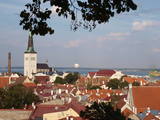 |
The capital of Estonia. The Old Town of Tallinn - excellent medieval (14.-15th century) building monument. The former city of Hanza. |
|
 |
The farm makes goat’s milk cheese and other goat’s milk products. Goats, sheep, rabbits and domestic birds are bred here. You can purchase products by ordering in advance, excursions on the farm are organised during summer. |
|
 |
Die Straße führt durch die ehemaligen Fischerdörfer. Eine bessere Radfahr-Alternative auf der Strecke zwischen Häädemeeste und Ainaži. |
|


