
| No | Name | Description |
|---|---|---|
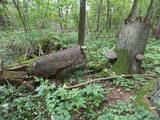 |
Dabas liegums veidots ainaviskā Kāla ezera trīs salu (Tolkas, Lielā Vestienas un Vistu sala) un to mežu biotopu aizsardzībai. Diemžēl, salu apmeklētāji (makšķernieki?) aiz sevis ir atstājuši ne tikai nelabiekārtotas apmetņu un ugunskuru vietas, bet arī atkritumus. Tā kā salu vērtību spēs novērtēt tikai zinošs speciālists, ieteicams dabas liegumu vērot no skaistajiem un pauguriem klātajiem Kāla ezera ziemeļu un austrumu krastiem. Teritorija atrodas Vestienas aizsargājamo ainavu apvidū.
|
|
 |
Guesthouse "Stikāni" is located in Rezekne district. The guesthouse has four comfortable rooms for two people and a dining room with an exit to the garden terrace. A knowledgeable guide will take you to the nature trail where you can learn about typical trees and bushes, popular and less known medicinal plants, nesting birds (during the summer) and impressive bird migration during the spring and autumn. |
|
 |
The farm produces dried pork blood sausage, and other meat products. You can take a tour and purchase the products. |
|
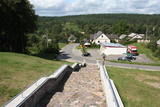 |
Eine alte Ortschaft am linken Ufer des Flusses Nemunas. Liškiava-Kirche und Kloster, heiliger Berg und Burgberg mit den Ruinen der am Ende des 14. Jh unter Leitung von Vytautas der Großen gebauten Burg. Ein Kultstein mit einem Kühstapfen.
|
|
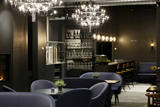 |
The “Zoltners” restaurant offers dainty dishes from fresh seasonal products. The key philosophy of the menu is staying natural and unsophisticated. Endijs Vīnerts, the restaurant chef, has a special approach to create the combinations of tastes that are characteristic to North Europe and to discover new nuances of the tastes of local products. |
|
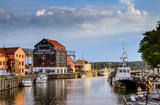 |
The former Memele. The only port city with a old town in Lithuania. |
|
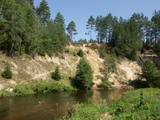 |
This territory is Lithuania’s most forested area, and people here have always lived in accordance with nature. Local treasures include berries, mushrooms, honey, clean water from streams and rivers, etc. People here have engaged in various crafts, as well as in beekeeping.
|
|
 7 days
|
This study tour is designed to show Latvia's rye traditions as their central focus. This tour has been developed in cooperation with the Latvian Bakers’ Association. Rye is both the basis of the Latvian diet and a powerful symbol of Latvia's culture and culinary traditions. Itinerary emphasize traditional rye bread-baking and eating, as well as insights into the history of the rye grain from Latvia's earliest archaeological record to the present day. Itinerary include visits to working farms, grain mills and culturally and historically important locations. This study tour is designed for groups and may be adapted to the needs, interests and timeframe of each client. Tour cost includes meetings with experts, site visits and admissions, accommodations, specified meals, sightseeing, transportation within Latvia and guides-interpreters. |
|
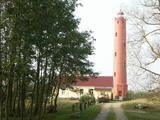 |
Akmensrags is important for birds while they are migrating, spending the winter, and molting in the summer. Most often we find the little gull and the red-throated and black-throated loon. The territory is opposite the Pāvilosta Administrative District and covers 25,878 hectares.
|
|
 11 days
|
The tour begins in Riga with its Art Nouveau district and Old Town. Make your way to Sigulda by train. A hilly road passes Gutmana Cave, Turaida Castle and Krimulda Castle which stand on the hillsides of the Gauja river valley. The road continues to Limbaži, which is a typical Latvian provincial town. Further on you reach the Baltic Sea coast and Salacgriva, which is famous for its fishing traditions and lamprey. Outside Salacgrīva town there are rare coastal meadows and lagoons. After crossing the Latvian-Estonian border point, the road winds through old coastal villages - Ikla, Treimani, Kabli and Häädemeeste before rejoining the Via Baltica. At Pärnu explore Ruutli pedestrian street and the old fortifications. It is time to cross to the islands - the route passes through the small island of Muhu. Visit the local fish cafe at Livi and ethnographic fishermens’ village of Koguva. Then the route leads to Saaremaa island over a causeway. The main sites on the route are 'Valjala maalinn' – one of the most attractive hill forts in Estonia, the Valjala church, and meteorite craters of Kaali. By bus you head to the Estonian capital, Tallinn, charming with its medieval Old Town. From there take a tour of a former Soviet submarine base at Paldiski, a memorable reminder of recent history. |
|
 |
Handicraft house Heltermaa is a local Hiiumaa grocery and handicraft shop, open during the summer season. The selection is very wide, starting from ceramic dishes and ending with Hiiumaa lemonade. |
|
 |
The saloon is opposite the Machinery Museum on the edge of Bauska. The nationally historical interior allows visitors to comfortably feel different than others. Latvian cuisine: Oatmeal, milk soup, pumpkin soup, cold beet soup, homemade steak haché, potato pancakes, crepes, bread soup. |
|
 |
The craftswomen produce clay dishes, vases, candlesticks, chandeliers, garden ceramics and small objects. Clay dishes with wooden handles are interesting. The women will offer you a tour of their workshop, a chance to see them at work or to try out your own skills at the potter’s wheel, as well as to purchase objects which have already been manufactured. |
|
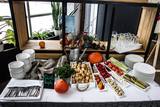 |
The restaurant offers a range of delicious and healthy meals from a range of international dishes with a wide variety of drinks, freshly baked biscuits, truffles, cakes and seeded breads are also available with lunch or dinner meals. There is a special daily offer available on weekdays and ability to organize a range of themed events, all catered for with food, drink and our freshly baked goods. A children’s menu is available for younger guests as well as playroom and a playground located next to the windmill. |
|
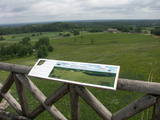 |
This park is in a region of hillocks in the Karula highlands, and Lake Ähijärve is at its centre. The park offers a cultural environment of small farms, and it was set up to protect the unique cupola-shaped hillocks of the area. Main attractions: Scenic Lake Ähijärv (176ha), Rebasemõisa Tornimägi hill (137.8 m above sea level), undulating landscapes. |
|
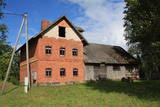 |
Braucot cauri Kaives ciemam, var pievērst uzmanību Kaives muižas „atliekām”. Vietas vēsture ir sena, jo jau 1440. gadā Livonijas ordeņa mestrs piešķīra šeit īpašumu Johanam Kaivenam. Kungu māja gāja bojā 1905. gadā, bet pārvaldnieka ēku nopostīja 2. pasaules kara laikā. 1956. g. nodega kalte, bet pirms trijām desmitgadēm - muižas krogs. Līdz mūsdienām palikusi tikai 1861. gadā celtā magazīna (sarkana ķieģeļu ēka) pakalnā un tai blakus esošais parks, kurā izveidots neliels skulptūru dārzs, estrāde un atpūtas vieta. |
|
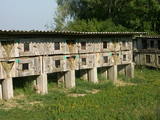 |
This is a farm of pedigree rabbits (11 breeds, ~200 rabbits). You can go on a tour of the farm and receive consultations on the breeding and selection of rabbits. You can also buy pedigreed rabbits for yourself. |
|
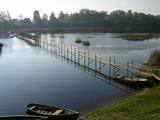 |
This is one of the few places in the world where lamprey eels are caught at the industrial level and with a fishing method that has been used for the past 150 years – a weir that stretches across the river and has creels along it. There are three weirs in all on the Salaca River. A local fisherman will teach you about the process and allow you to taste and purchase roast lampreys. |
|
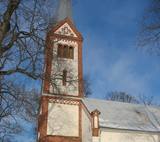 |
The Krimulda Lutheran church is seen as one of the oldest in Latvia. It was built in the early 13th century, soon after the territory of Kubasele was conquered. Over the subsequent centuries, it has been rebuilt many times. Alongside the church is a meditation maze called "Lily Blossom." When the Liv warrior Kaupo fell in battle near Vīlande in 1217, his remains were supposedly interred at the church. Local residents, true, describe a small hillock that is near the church as the grave of Kaupo. The site is located alongside the little Runtiņupīte (Runtiņš) river, on the right bank of which is a manmade cave that is approximately seven metres deep. It is the Kubesele Cave or the Runtiņala Cave. The Kubesele castle hill is on the left bank of the Runtiņupīte. The Kubesele Nature Trail starts at the church. If you hike down the trail, you'll see all of the aforementioned objects and others. The trail leads to the Gauja River where, on the right bank, is the Great (Runtiņš) Rock. Nearby you'll find anchor blocks installed by rafters on the river. |
|
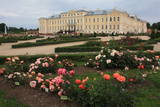 |
The palace was built as the summer residence of the duke of Courland, Ernst Johan Byron, and it was designed by the outstanding Italian architect Francesco Bartolomeo Rastrelli. The construction of the palace ensemble took place between 1736 and 1740. The decorative finishing of the interiors was carried out from 1765 to 1768 by the sculptor Johann Michael Graff and the painters Francesco Martini and Carlo Zucchi. The significance of the palace lies in its authenticity as it has not been modified through rebuilding since then. Intensive restoration works started in 1972 when the Rundāle Palace museum was established. The restoration was completed in 2018. |
|


