
| No | Name | Description |
|---|---|---|
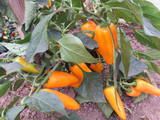 |
This farm produces raspberries (6 ha), herbs, medicinal plants (more than 100 types), vegetables (red peppers, cucumbers, tomatoes, chili peppers, onions, garlic) and bees. The owner produces salads, jams, lecho and chutneys. You can purchase vegetable products, pick your own raspberries and strawberries, taste teas, buy honey, and receive valuable consultations. |
|
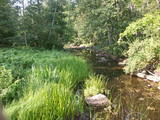 |
A distinct area of the lower reaches of the Vitrupe River, with small sandstone cliffs and many rare species of plants and molluscs. Visitors can visit the Ķirbiži Forest Museum and its information and botany trail. It weaves along both banks of the river and allows people to look at the most typical examples of flora in the region. The noble Vāloži oak tree is a key element there.
|
|
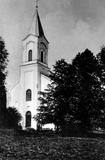 |
The first building of the church was built in 1641. The fourth building of the church was only built in 1856 – during the times of Pastor Johann Wilhelm Knierim. Its altar painting – The Crucified Christ (Golgotha) was painted in 1856 by Jozeps Millers, who was influenced by the altar piece in Munich Louis Church created by his teacher Peter Cornelius. An epitaph of Baroness Auguste Amalija von Pistohlkros, the sister of the owner of Bīriņi Manor and the patroness of the church, was immured in the memorial wall. Construction of the tower was completed on 11 June 1856, as evidenced by a memorial plaque on the wall of the church with an inscription “Erbaut von August Pistolkors 1856”. The church was consecrated in 1864. And a year later an organ by Martin Company with 8 registers, which was extended to 14 registers in 1903, was installed in the church. Unfortunately, the organ was destroyed in WW2. Saulkrasti (Pēterupe) Evangelical Lutheran Church survived both World War 2 and the Soviet period. The Soviet era was one of the most difficult times for the church, because many churches in the area were destroyed, pastors were discharged and the congregation fell apart. The Pēterupe congregation remained. As an architectural monument the church was lucky enough to undergo roof repairs of the tower even during Soviet times. Funds were granted by the Chairlady of the Executive Committee Ņina Manzūrova. |
|
 |
Meklējams Virgas centrā. Asprātīgā piemiņas zīme (tēlnieks R. Gabaliņš, mākslinieks R. Kalniņš) – zābaks ar diviem pretēji vērstiem lielgabaliem un lodēm vēsta par Ziemeļu kara laika notikumiem, kad 1701. g. Virgā bija izveidota zviedru karaspēka nometne. Stāsta, ka karalis Kārlis XII savu zābaku pazaudējis citā reizē un vietā - Spilves kaujā pie Rīgas. |
|
 |
Ap 200m garš un līdz 15m augsts ainavisks atsegums upes labā krasta asā līkumā. Tam iepretim otrā krastā (500m) Līgatnes dabas takas.
|
|
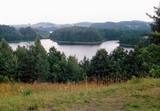 |
Vermutlich ein heidnischer Hügel. Schöner Blick auf die 6 Seenlandschaften. Ein Symbol vom Nationalpark. |
|
 |
The open-air pizzeria not far from Valmiera in Beverina district. It is an opportunity to spend time in the countryside, relax and take part in making real Italian pizza, where everyone has a chance to make a pizza according to one’s taste, baking it on open fire in a wooden stove. Available clear water and Italian wine, coffee and tea. Apart from pizzas, it is possible to buy tiramisu, having ordered it beforehand. |
|
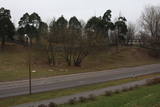 |
This is the rumoured location of a military aviation engine testing laboratory. The territory is now industrial and locked off, and nothing remains to suggest that such a lab was ever really there.
|
|
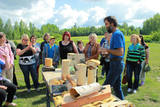 |
Tāšu meistars Jurijs Ivanovs ar lielu centību un degsmi pēc seniem paraugiem cenšas atjaunot labākās Zilupes novada tāšu apstrādes tradīcijas. Top novadam raksturīgi autentiski tāšu trauki ķiploku, putraimu, saldumu, sāls uzglabāšanai, paliktnīši kafijas krūzei vai pannai. Īsts meistarstiķis ir darbarīku rokturu izgatavošana. Darbnīcā varēsiet izgatavot tāšu glezniņu, tāšu tauri, uzrakstīt īpašu vēstuli kādam ļoti mīļam cilvēkam. |
|
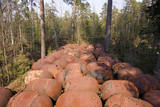 |
Naissaar is a small island near Tallinn which was exclusively used by the Soviet military from 1945 to 1993. Attractions on the island include walking trails, varied habitats, a narrow-gauge railway, fortifications from the early 20th C, and a Soviet naval mines factory. |
|
 |
Atrodas Rīgas – Ventspils autoceļa (A 10) 88. kilometrā, pašā Abavas krastā. Pie stāvlaukuma interesants objekts – senais Zemgales un Kurzemes robežstabs un vēsturisko novadu robeža. Piedāvā kempinga pakalpojumus. |
|
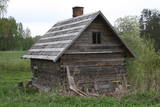 |
Divas mazas apdzīvotas vietas nacionālā parka dienvidrietumu daļā. No kādreiz piecām Kolski ciema saimniecībām līdz mūsdienām ir saglabājusies tikai viena. Kolski iedzīvotājus līdzīgi kā citviet Baltijas valstīs pēc 2. pasaules kara deportēja uz Sibīriju. Kolski apkārtnē redzamie mājdzīvnieki „apsaimnieko” šejienes pļavas, neļaujot tām aizaugt ar mežu. Tādējādi tiek uzturēta apkaimes vēsturiskā ainava. 3 km dienvidrietumos meklējams Kobasāres ciems. Tā nosaukums (koopa no igauņu valodas nozīmē ala, saar – sala) atgādina par Ziemeļu kara notikumiem, kura laikā cilvēki slēpušies pašu raktās alās. Kobasārē un tam blakus esošajā Apjas (Apja) ciemā var izbaudīt patiesi 21. gadsimtam nepierastas lauku ainavas. |
|
 |
The complex is on the northern shore of Latvia’s second-largest lake, Lake Rāzna. The windows of the “Kastānis” café offer a view of one of the loveliest lakes in the country. |
|
 |
This is an institution that offers leisure activities for people of all ages. Creative workshops and various lectures are focused on families to facilitate creativity. There are kites that allow children to release their dreams into the sky. |
|
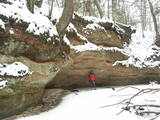 |
The Kaļķupe River valley was established as the Pilsupe River (formed by Kaļķupe River and Mazupe River) crossed the Blue hills of Šlītere to the South of Vīdale and Kaļķi. The distinct river valley has a branched network of gullies in which Devonian sandstone has been uncovered and can be seen in some locations. Puiškalns Hill (located at confluence of Kaļķupe River and Mazupe River), which was used as a castle hill and as a sacred location long in the past, is one of the most distinctive parts of the area. It is a popular tourist destination in the Talsi District. Hillside forests, various kinds of meadows and a wide range of plants are also of value in the local environment. |
|
 9 days
|
This tour offers visiting UNESCO World Heritage sites – Helsinki, Stockholm, Riga, Tallinn, travelling by ferries and cruise ships and adding value to the trip by exploring the Baltic countries beyond the capitals. The sites outside cities present traditional folk cultures of Finland, Sweden, Estonia and Latvia and a variety of farms showing today’s life in the countryside. The roundtrip includes two overnights on cruise ships. |
|
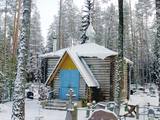 |
All Saints Orthodox Church of Malta (Rozentova) was built in
1928. It is the wooden log building with double window frames and a
dome. Facades are decorated with the motive of the sun.
|
|
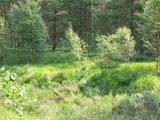 |
The word grīnis in Latvian refers to a very unusual type of forest – pine trees growing on sandy soil. There are two types of this environment – the heather type and the grass type. This is the result of long-lasting interaction between nature and humankind, and such sites are found in just a few places along the shores of the Baltic Sea in Latvia. A very rare plant which grows in the area – cross-leaved heath – was the main reason why a nature reserve was established here in 1936. An abandoned former rail line between Ventspils and Liepāja crosses the reserve from the North to the South. Visits to the reserve are strictly prohibited. |
|
 1 day
|
The Forest Trail leads through smaller paths, arching around Vangaži Lutheran Church and the Werewolf Pine. On its way to the Hunting Palace, it passes the garden created by opera singer Anna Ludiņa and then follows the Hunting trail. The first side ravines with the pronounced relief of the ancient valley of the River Gauja can be seen here. One of them is located by Inčukalns Velnala (Devil’s Cave), surrounded by small river channels of the old Gauja. From there, the Forest Trail continues through meadows and crosses the Murjāņi–Valmiera motorway, where the recreation park “Rāmkalni” is located. In this park, there is a café, shop and active leisure centre with a sledge track. On this route you will mainly see pine forests of various ages, as well as the botanical plantation with 80 tree and 120 shrub species. By the end of the section, the landscape features sandstone outcrops – Devonian sedimentary rocks and habitats protected in Latvia. |
|
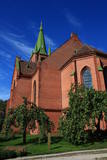 |
Mūsdienās redzamais iespaidīgais dievnams tapis ilgākā laika posmā. Jau 1870. g. latviešu draudze sāka vākt ziedojumus neogotiskās baznīcas celtniecībai, ko pabeidza 1904. gadā (V. Neimaņa projekts). Ēkas iekšpusi rotā dekoratīvi zvaigžņu velvju griesti, bet tās altārdaļā izvietotasmākslinieka J. Šķērstena veidotās vitrāžas (1940. g.) un 17. gs. kristāmtrauks. Baznīcu ieskauj plašs dārzs. |
|


