
| No | Name | Description |
|---|---|---|
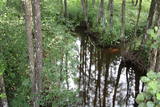 |
This territory is on both sides of the central section of the Raķupe River. On the banks of the river, there are many different meadow habitats, as well as massive oaks growing in the places of former farmsteads which are uninhabited by now. This is an important place for rare plants and animals. There is no tourism infrastructure for visitors in the area. Visitors who are especially interested in the environmental cognition are advised to visit the territory in attendance of experienced local guide. Raķupe is not usable for water tourism because of tilts of trees and beaver dams. |
|
 |
Ja no Pervalkas (Pervalka) pa Kuršu jomas krastu ar kājām (neliela taka) dosimies Klaipēdas (ziemeļu) virzienā, pēc 10 – 15 min gājiena nonāksim līdz Arkļu ragam (Arklių ragas, citās kartēs – Žirgų ragas), kam iepretim ~ 0,2 km attālumā no krasta uz mākslīgi veidotas akmeņainas salas slejas 14 m augstā bāka. Tā celta ~ 1900. g. vietā, kur savienojas trīs kuģu ceļi no Klaipēdas, Nidas un Ventes raga (Ventės ragas). No šejienes paveras fantastisks skats un Nagļu dabas rezervāta iespaidīgajām kāpām. |
|
 |
Rabbit farm offering rabbit meat, skin and its products. The key to success is high-quality food, veterinary care and good rabbit-keeping conditions. |
|
 |
This farm rears goats and produces various goat’s milk dairy products, making goat’s cheese and other products from fresh ingredients. The farm also grows potatoes, juicy strawberries and other products. The summer outhouse provides space for 15 to 20 people to sit cosily by the table and chat. A light meal made from 100% farm products is offered. |
|
 |
Rehtšprehera siers top Siguldas novada Lēdurgas pagastā, zemnieku saimniecībā “Mazlauri”. Siera ražošanai saimniecībā pievērsās 2015. gadā, meklējot jaunu izaicinājumu un iespēju radīt produktus ar pievienoto vērtību. Siers tiek gatavots pēc itāļu receptēm un nogatavināts 2–12 mēnešus, ievērojot tradicionālās metodes – īpašā telpā, uz egles koka plauktiem, kontrolētā mitrumā un temperatūrā. SieriCietie sieri (nogatavināti 6-12 mēnešus): Grand Marine, Gouda 8 mēnešus gatavināts. Puscietie sieri (nogatavināti 2-4 mēnešus): Gouda (pieejams ar linsēklas eļļas pārklājumu vai ar speciālu siera pārklājumu), Tallegio (pieejams ar balzamiko etiķa pārklājumu vai speciālu siera pārklājumu), Toskāna, Sorento. Daži sieri ir pieejami arī ar piedevām, piemēram, melnajām ķimenēm, pipariem, tomātiem un baziliku, tomētiem, ķiplokiem un oregano. Daļai sieru ir ēdama miziņa. Uz vasaras saulgriežu laiku tiek gatavots arī kas līdzīgs Jāņu sieram – nogatavināts siers ar ķimenēm. Kā top siersSiers tiek gatavots no pašu saimniecības govju piena – kopumā saimniecībā ir 90 slaucamas Holšteinas melnraibās šķirnes govis. Rehtšprehera siers top no tikko slaukta, nepasterizēta govs piena, kas tūlīt pēc slaukšanas tiek nodots pārstrādei. Tas ļauj saglabāt piena dabisko garšu un raksturu. ApmeklētājiemSaimniecības apmeklētājiem iespējams redzēt un dzirdēt patiesu stāstu par to, kā rodas piens un siers - kā uztur piena lopu ganāmpulku, kā audzē pilnvērtīgu, uzturvielām bagātu barību, ko nozīmē govju labturība, lai iegūtu ekstra klases pienu, un kāda ir praktiskā puse, dzīvojot un saimniekojot laukos. Noslēgumā ieskats siera ražošanā un siera degustācija. Kur iegādāties sierusE-veikalā: www.rsiers.lv. Veikalos Rīgā, Cēsīs un Siguldā. Sestdienās - Skultes tirdziņā, Slow Food Straupe tirdziņā un dažādos tirgos visā Latvijā. |
|
 |
Atrodas 2,5 km dienvidos no „Kalna Kaibēniem”, Ogres kreisajā krastā. Ap 300 gadus vecā rija, ko atjaunoja 2008. gadā ir uzskatāms par Baltijas (Eiropas) mērogā vienreizēju koka arhitektūras pieminekli. Šobrīd tā ir Latvijā lielākā senlaiku dzīvojamā rija. Iespējams, ka kādam var būt arī grūtības ar šī objekta atrašanu dabā. Apmeklējums iepriekš jāpiesaka: + 371 29266840. |
|
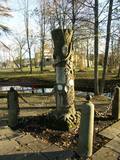 |
A monument to the founders and
directors of the Ķemeri spa (1861) on the
banks of the Vēršupīte.
|
|
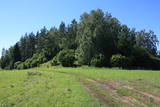 |
Stupeļu Hill is 3 km to the South of the Vecumnieki-Ilūkste road. There are no signs, so the castle hill might be difficult to find. The Great Stupeļu Rock, which is discussed further on in this guidebook, is also hard to find when there is vegetation. Stupeļu Hill is approximately 30 m high, and it was one of the highest castle hills in the historical district of Selonia. Archaeologists say that it was first abandoned at the beginning of our era and then populated again during the late Iron Age. It is interesting that iron was extracted and processed near the castle hill. Archaeologists believe that this is the site of one of the earliest “cities” in the region. To the West of the hill is the Great Stupeļu Rock, which is 6.7 m long, 5.6 m wide and up to 2.7 m high. Above ground, it is 35 m3 large, and it may have been a cult location. During archaeological digs in the late 1970s, antiquities from the 10th to the 13th century were found here. |
|
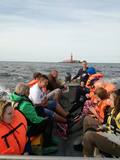 |
Piedāvā izbraucienu ar zvejnieku laivu līdz Kolkas bākai. Iespējama iepazīšanās ar zvejas procesu. Iepriekš saskaņojot, iespējams jūrā sagaidīt saullēktu vai saulrietu. |
|
 |
Atrodas 3 km dienvidos no Velēnas luterāņu baznīcas. Savdabīgo akmens velna skulptūru 1955. g. kā „pieminekli” meliorācijas darbiem veidojis vietējais iedzīvotājs Vilis Zvaigznītis. |
|
 |
The cafe in the centre of Saulkrasti. There are offered not only baked goods, but hot meals as well. The Latvian-style kebabs made here are very popular among the citizens of Saulkrasti and town guests. The cafe offers high chairs for children. Working hours in the summer: 8:00 – 20:00, from September to May: 8:00 – 18:00 |
|
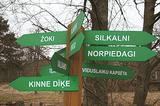 |
is seen as the newest village along the Livonian coastline. It was established during the 17th century. Košrags had 78 residents in 1826. The first reading school for Livonian children in the Dundaga seashore villages was opened at the Žoki homestead in 1832. One of the teachers was Nika Polmanis, who was the first Livonian to have completed a professional education. He also translated the Gospel of Matthew into the Eastern Livonian dialect. Košrags had a windmill, water mill and boat building facility. During the spring, job seekers from Saaremaa stopped here. A port was installed in 1932, and a breakwater to collect sea fertiliser followed in 1938. During the 1930s, Košrags was regularly visited by Finnish and Estonian linguists to study the folklore of the Livonians. The Norpiedagi homestead was built by Livonian activist Didriķis Volganskis (1884-1968). His son, Livonian cultural worker and pastor (in Finland) Edgars Vālgamā (Volganskis, 1912-2003) was born there. He translated the Andrejs Pumpurs epic "Lāčplēsis" into Finnish. Košrags today is a cultural monument of national importance. |
|
 |
The café is alongside the Top store in the centre of the village. Latvian cuisine: Potato pancakes with ham, grey peas with bacon, carrot buns. Special foods: The special “Apsīte” potted dish. |
|
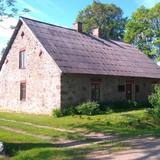 |
Operdziedātāja Jāņa Zābera muzejs "Vecais ceplis" atklāts 1973. gada 11. augustā - dziedātāja dzimšanas dienā - viņa dzimtajās mājās. Muzejā apskatāmas fotogrāfijas no viņa dzīves gājuma, afišas un operu tērpi. Tāpat pieejami dziesmu un operu āriju ieraksti mākslinieka izpildījumā. Muzeju pārzina Jāņa Zābera brāļa meita ar ģimeni. To ir iespējams apmeklēt, iepriekš saskaņojot laikus.
|
|
 |
Esko Farm is a family business which focuses on making dairy products from their own lifestock. Farm's products include yogurt ice creams, cheeses, yogurts and so on. It's possible to take a tour around the farm, get to know the animals as well as have degustation of the farm's products. |
|
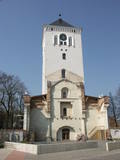 |
Work on a new church began in 1574 at the commission of Duke Gotthard Kettler of Courland and Zemgale. The steeple was installed between 1686 and 1688, and in 1862 its height was increased to 80.5 m. The church burned down because of Soviet bombardment on July 27, 1944, and in 1954 the Soviet military blew up its ruins. Reconstruction of the steeple began in 2009, and it now has an outstanding interactive museum that is particularly interesting for children, along with a glassed viewing platform. |
|
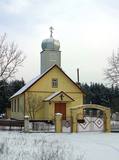 |
Malta (Borovaja, Borovska) Old-Believers Prayer House. The construction
of the church was started in 1931 by A. Gruncevičs. The Church is an architectural
monument of local importance.
|
|
 |
The Cīruļi farm is in the Rings of Daugava Nature Park and in the village that is called "Lielie Muļķi" (Big Fools). The owners have more than 100 hives of bees, share experience, talk about the lives of bees and offer tastings and purchase of products. There is a chance to look and buy paintings by the owner who will talk about the "Lielie Muļķi" (Big Fools) village. |
|
 |
For the groups of gourmandes the owner offers to participiate in different culinary workshops (2-3 hours): „The sweet cake workshop”, „The untraditional seasonal vegetable foods workshop”, „Pizza workshop”, Preparing hemp butter”, etc. Those who don’t wish to cook themselves are offered a lazy countryside dinner in combination with watching the farm, the grapes garden and talks about countryside life. |
|
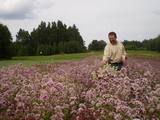 |
The farm grows and collects more than 80 types of medicinal plants, including peppermint, marigold, chamomile, oregano, St John’s wort, wormwood, oats, creeping thyme, broadleaf plantain, field penny-cress, meadowsweet, etc. You can take a tour and learn all about medicinal plants and how they are used. During autumns, you can purchase medicinal teas. |
|


