
| No | Name | Description |
|---|---|---|
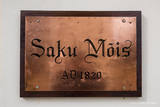 |
This manor is a prime example of classical architecture in Estonia. Since 2002 Saku manor is also a recreational centre. |
|
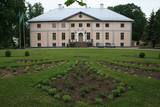 |
The manor’s castle was built in the middle of the 18th century (belonging to the noble kin of baron Medem) as a huntsmen castle. Later, in the 19th century, it was rebuilt by adding a second floor. The kitchen was situated in the vaulted basements of the castle and when the food was ready, it was brought upstairs in the elevator. The gantry entrance of the castle (late baroque) and marble buttons above it picturing the coat of amrs of the union of Medem and Keizerling noble kins, is one of the most valuable example of arts monuments of the 18th century. To this day there are various outhouses preserved- a threshing barn, a granary and a smithy, as well as the park. In front of the castle one can see a magnificent oak, which was supposedly planted by K.Ulmanis. From 1837 the manor’s castle has also served as a place for Vilce primary school. |
|
 |
Only indirect evidence of the former tank base that was here is still available (see the story).
|
|
|
|
Das in 1671 gebaute Schloss wurde mehrmals umgebaut und die heutige Aussicht im Stil des Klassizismus hat das Schloss 1820 – 1923 erhalten. Der im 19. Jh angelegte Park mit einer Rotunde und einer Steinbrücke. Tematische Ausstellungen. |
|
 |
Pirtnieka pakalpojumi, dažādi pirts rituāli. Viesiem ir iespēja iegādāties produktus no ārstniecības augiem - tējas, sīrupus, ziedes, salātus; tāpat arī piedalīties radošajās meistarklasēs tinktūru, masāžas eļļu gatavošanā. Informatīvā lekcija par augiem un pirti, pirts rituāliem. Klusā meža ielokā pieejamas telts vietas, piedāvājumā arī kubla noma un pārvietojamās pirts mucas noma. |
|
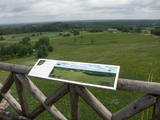 |
Karulas augstienes augstākais reljefa punkts (137 m.vjl.), kas virs tuvākās apkārtnes paceļas par ~ 60 m. Torņa kalnā ir uzbūvēts skatu tornis ar ļoti plašu apkārtskatu. Uz tā platformas ir novietoti panorāmas fotoattēli, kuros atzīmēti zīmīgākie plašākā apkaimē redzamie objekti – apdzīvotas vietas, pilskalni, baznīcu torņi u.c. Turpat izveidota atpūtas vieta un meklējams Rebases ainavu takas sākums. |
|
 |
The biggest ostrich farm in Latvia, located near Kuldīga, provides the opportunity to purchase healthy and valuable ostrich meat products and go on an excursion in the ostrich and goat farm. |
|
 |
This progressive biological farm grows some 50 types of biological vegetables and greens. The farmers own 10 ha of land where they grow various vegetables outdoors and in greenhouses in the Biržu region. |
|
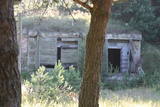 |
The 77th Zenith Missile Brigade of the Soviet Army was charged with air defences along the Soviet Union’s external border. The facility is owned by the regional local government and is not used for anything. There is an interesting gate at the entrance to the facility, however.
|
|
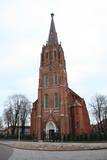 |
Находится в стороне от площади Куршу, ул. Э.Венденбаума, д. 1. Старейшая церковь города, сведения о которой сохранились с 1508 года. Первый храм на этом месте был построен из дерева. После неоднократных перестроек (последняя – в 1893 г. под руководством архитектора Лиепаи Пауля Макса Берчи) храм приобрел теперешний вид в неоготическом стиле с башней высотой около 60 м. Церковный интерьер славится одним из самых выдающихся шедевров времен барокко в Латвии – алтарем (резчик по дереву Николя Сефренс младший), который в 2012 году отметил свое 350-летие.Алтарь считается одной из самых выдающихся работ Восточной Европы того времени. Ретабло алтаря (5,8 x 9,7 м) известно тематическим циклом страданий Иисуса. В храме находится третий по величине орган Латвии, который построен по эскизам композитора и органиста Альфреда Калниньша. Церковь можно осмотреть изнутри и подняться на колокольню. |
|
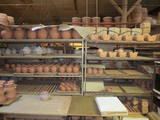 |
The ceramics workshop was opened in 1980, and red clay from Latvia is issued to produce various dishes and interior design objects. The workshop welcomes groups of tourists, as well as individual travellers. Guests are offered a tour with a story about the process, and you will be able to try your hand at producing souvenirs made of ceramics. |
|
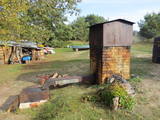 |
On the second Saturday of each month (or at other times that are arranged in advance), the owner will allow you to test your skills at smoking fish, after which you will be able to taste what you have produced. |
|
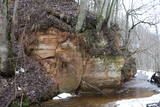 |
It is worth hiking this road where in crosses the Šlītere Blue Hills. This part of the road is approximately one kilometre long, and it goes down to the valley of the stream which crosses the hills. The place has been given a peculiar name – the Kušperlankgrāvis ravine (or the Zeltiņi ravine, as is claimed in other sources). If you're driving, be careful, because there is no bridge here, just a ford. During the early spring or the winter, you will appreciate the ravines and the impressive Blue Hills themselves. Impressive sandstone cliffs which are several metres high and have been vandalised by human hands are on both sides of the road. There is a small niche in one of the cliffs. To the right (East) from the road at the terrace of the Blue Hills is a side road which leads to the Mežlīdumi homestead. Please be gentle with the cliffs! |
|
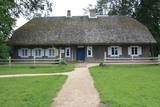 |
“Kalna Kaibēni” is on Kaibēni Hill (226 m above sea level) and 7 km to the West of Ineši. Nominated as Latvia’s oldest memorial museum (1929), this is a place with buildings from the 18th and 19th century. Inside you will see exhibits which speak to the lives and contributions of the schoolteachers and authors Reinis (1839-1920) and Matīss (1848-1926) Kaudzīte. The authentic farm includes a garden which the two brothers planted themselves, and the wooden sculptures which were produced by Krišjānis Kugra present characters from the brothers’ famous novel “Age of the Surveyors”. |
|
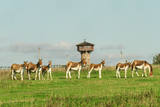 |
Te plašos aplokos mīt 38 sugu savvaļas dzīvnieki (kiangi, lāči, lūši, vilki, meža cūkas, aļņi, vāveres, plēsīgie putni) un visdažādāko šķirņu mājdzīvnieki – Latvijas zilās, Hailandes un Galovejas govis, Romanovas aitas, Vjetnamas cūkas, pīles, zosis, tītari u.c. Acīgākie dīķos pamanīs retās Eiropas kokvardes. Kalvenes pagasta „Cīruļi” – tā ir lieliska, nesteidzīga atpūta lauku vidē, iepazīstot dzīvo dabu! Darba laiks no novembra līdz martam: katru dienu no 10:00 – 16:00 |
|
|
|
Atrodas Daugavas prospektā 10, starp Rīgas – Daugavpils šoseju (A 6) un Kalēju ielu. Dievnams celts laikā no 1931. - 1933. g. (arhitekts: Pēteris Kundziņš). Padomju gados tajā bija izvietota Latvijas Valsts bibliotēkas grāmatu glabātava. Pateicoties draudzes aktivitātēm 1989. g., ēku atjaunoja. Tagad tā kalpo savam pamatmērķim. |
|
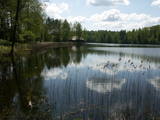 |
Lake Salājs is full of bays and islands. Alongside Lake Little Solojs, which is next to Lake Salājs, is the Milka castle hill and a leisure facility there. This is a beautiful area, and it is protected for environmental purposes. |
|
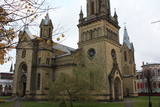 |
Atrodas starp Kr. Valdemāra un Kuršu ielām. Viena no iespaidīgākajām un greznākajām pilsētas celtnēm, kas būvēta neoromantikas formās. 19. gs. beigās katoļu draudze nevarēja saņemt atļauju jauna dievnama celtniecībai, tādēļ uz vecās ēkas uzbūvēja jaunu, kur vecā baznīca tapa par lielākās ēkas sānu kapelu. Baznīcas sienas un koka griestus rotā attēli ar Bībeles sižetiem. Dievmātes kapelā saglabājies mazās baznīcas (no 18. gs.) centrālais altāris. Baznīcas griestos ir iekārts burinieka modelis, ko dāvinājuši vētras laikā izglābušies jūrnieki. |
|
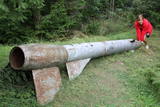 |
Der weiteste Nordpunkt der Juminda Halbinsel mit einer Raketen-Attrappe der Sowjetarmee, der alten Grabstätten, dem Juminda-Leuchtturm und einem Denkmal für die Opfern des Zweiten Weltkriegs. |
|
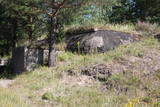 |
Another coastal defence battery was sited about 1,500 metres to the East of Lūžņa, where the Lūža River flows into the Baltic Sea. Remnants of Soviet-era buildings can still be seen there.
|
|


