
| Нo | Название | Описание |
|---|---|---|
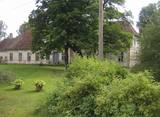 |
Исторический центр усадьбы Ташу находится в долине реки Аланде (Телсе) у озера Ташу. Застройку нынешнего центра усадьбы создавал род фон Корфов. Господский дом был построен в 1734 году. В здании сохранились ценные камины в стиле барокко, изготовленный из Готландского песчаника портик главного входа, оригинальный пол из каменных плит в зале, паркет, стенные панели, входные двери 19-го века, окна, лестницы и другие детали. За господским домом в южной стороне разбит регулярный сад в стиле барокко, где высажены яблони исторических сортов. Рядом с садом восстановлен приусадебный парк с прудом в романтическом стиле. Дорожки ведут от тихих уголков к частям, залитым светом, где взору открываются красивые миниатюрные пейзажи. Величественные группы больших ясеней перемежаются кустами сирени, жимолости, волчеягодника, которые весной расцветают яркими цветами и пахнут, создавая особую атмосферу парка. Бывший центр усадьбы и насаждения являются культурным памятником государственного значения. Усадьбу Ташу можно осмотреть по предварительной записи. Посещение за пожертвование. 1-2-часовая прогулка по усадьбе, саду и парку с рассказами владельца об истории усадьбы Ташу и соседских усадеб, о принципах создания исторических садов в Европе и их использовании при создании усадебного сада, парка и зеленых насаждений Ташу. |
|
 |
Kafejnīca "Bura" atrodas Madonas ziemeļdaļā, uz Gaujas un Rūpniecības ielas stūra – pie pilsētas apvedceļa. Kafejnīcā piedāvā plašu ēdienkarti, t.sk. latviešu virtuvi. Banketu zāle, vasarā darbojas āra terase. Piedāvā izbraukuma banketus. Ēka celta guļbūves stilā. Ainaviska vide, laukakmeņi. Latviešu virtuve: Pelēkie zirņi, kartupeļu biezputra ar gaļas krikumiņiem, zemnieku podiņš, siļķe ar mrinētiem sīpoliem un krējumu, maizes zupa, plānās pankūkas. Īpašais ēdiens: Pēc dažādām receptēm gatavots zandarts. |
|
 |
В мастерской можно познакомиться с керамической посудой различных этапов истории, изготовлением и применением предметов быта. Познакомиться с археологической керамикой, средневековой глиняной передвижной печью для выпечки хлеба, сковородой, кубками для питья, посудой паломников для воды. Все работы выполнены в технике лепной керамики и обожжены в дровяной печи. |
|
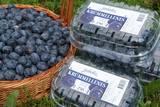 |
В красивом месте недалеко от озера Кала на склонах холмов растет малина, клубника, клюква и кустовая черника. В сезон можно собрать ягоды, приобрести и продегустировать продукцию, а также записаться на познавательную экскурсию. |
|
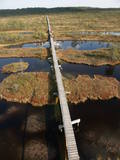 |
This reserve was set up to protect local swamps and surrounding wetlands. Please note that before you can visit the reserve, you must register with the local administration and visitor centre in the village of Tooma.
|
|
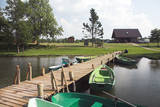 |
Владельцы базы отдыха «Эзермали» предлагают прекрасную возможность для дневного отдыха на берегу живописного и прозрачного озера Звиргзду без ночлега. Сюда можно приехать на благоустроенный пляж поплавать, покататься на лодке и порыбачить. Дети смогут прокатиться на водном велосипеде. Активный отдых. Деревенская баня. В гостевом доме есть 2 комнаты на 8 человек. 6 кемпинговых домиков, 18 палаточных мест, прокат лодок. |
|
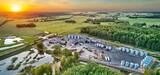 |
Z/s Kotiņi pamatnodarbošanās ir graudkopība ar specializāciju sēklkopībā. Vieni no lielākajiem sēklas ražotājiem valstī. Apsaimniekojamās zemes platība ir 4500 ha, no kuriem 3500 ha ir augstu kategoriju sertificētas sēklas lauki. Audzē kviešus, miežus, rapsi, pupas, zirņus, auzas, rudzus, eļļas rutkus, sinepes, griķus, āboliņu, sarkano auzeni, timotiņu, Speltas kviešus. Saimniecība piedāvā produktus ar pievienoto vērtību:
Daļa no Kotiņu produktiem ir atzīti ar zaļās karotītes kvalitātes zīmi! Kotiņi ir saimniecība, kur lieto Latvijā ražotu 100% zaļu enerģiju. |
|
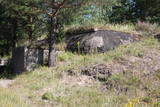 |
Примерно в полутора километрах на восток от Лужни, где Лужа впадает в Балтийское море, находится еще одна береговая батарея. Здесь же и остатки военных строений Советской армии.
|
|
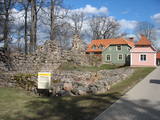 |
For the first time Valmiera is mentioned in the historical sources in 1323. Until the 13th century this place was in the composition of Talava, inhabited by Latgalians. Construction of Valmiera medieval castle began in the beginning of the 13th century, but in 1283, between the Gauja River and Rate River towered church. Location near to the Tartu-Pskov and Novgorod trade routes greatly facilitated the economic development of the populated area. During the 14th-16th century Valmiera was a part of the Hanseatic League. It suffered greatly from wars, epidemics and fires in 16th to 18th century. In the second half of the 19th century the economic boom started again. It was also facilitated by the building of wooden bridge across the Gauja in 1866 and Riga-Pskov railway opened in 1899. Historic centre is destroyed in 1944. During post-war years, large industrial companies such as - Valmiera glass fiber factory (to this day) are opeating in the town. Today, Valmiera is economic, educational and sports centre of Vidzeme. |
|
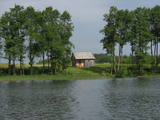 |
Līčiem, pussalām un salām bagāts ezers ar izrobotu krasta līniju, kas savienots ar Zvejnieku un tālāk - citiem Latgales augstienes ezeriem. Ozolu un platlapju meži, kas aug uz ezera salām un pussalās ir ne tikai aizsargājami, bet arī Latvijas mērogā nozīmīgi biotopi. Tiesa, to vērtību apzināsies tikai vides speciālisti. No Jašas ezera var uzsākt laivu braucienu pa vienu no Latgales ezeru "kēdēm". Ezera austrumu krastā atrodas Geļenovas parks.
|
|
 |
Located in the northern part of Valmiera, the Valmiermuiža Estate mansion (Neo-Baroque Style) was built between 1764 and 1771 by Prince August Friedrich of Schleswig, Holstein and Soderburg. Over the course of time it has been owned by other people. According to modern evidence, the mansion was a one-story building with a Baroque tower and a two-story addition in the early 20th century, which made it appropriate as a summer home and hunting lodge. The building burned down in 1918. Two years later, Valmiermuiža became a prison camp for captured soldiers. Later the addition to the mansion was restored and used as an elementary school. In 1936, the building became a prison, and it was once again a prison camp for captured soldiers during World War II. Later the building burned down again, and the ruins were removed. Still surviving is the Valmiermuiža tower, with ceiling paintings that are a cultural monument, as is the surrounding park. The Valmiermuiža brewery is alongside the historical monument, thus providing second wind for the whole region. |
|
 |
The domestic producer cooperative, which unites 29 producers and craftsmen of the Kuldīga region. The cooperative has its own shop in Pilsetas laukums 7A, Kuldiga, where it is possible to purchase all the products and goods produced by members of the cooperative. The store also offers seasonal delicacies and regular promotions, offering customers a wide and varied range of home-grown and home-made products. |
|
 |
No 28 m augstā torņa, kas atrodas uz apdzīvotas „salas” – Siksalas Teiču purva vidū, paveras ļoti plaša augstā purva ainava ar Siksalas ezeru, citām minerālzemes salām un Siksalas mazciemu. Tā kā tornis atrodas Teiču dabas rezervātā, to var apmeklēt tikai Dabas aizsardzības pārvaldes inspektora pavadībā, iepriekš piesakot vizīti T: + 371 28333415. |
|
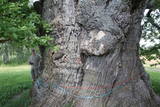 |
Most of the great tree’s mighty branches are gone, and among those that are still there, the thickest ones are held up by supports, and the tree’s hollow centre is protected against snow and rain with a little roof. This is the thickest Common Oak (Quercus robur) in Latvia and the Baltic States. Indeed, it is one of the thickest oak trees in all of Northern Europe. The tree is a gorgeous part of the surrounding landscape. There is a car park and an information stand nearby.
|
|
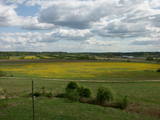 |
From the Asote castle hill, which is on the right bank of the Daugava River near Jēkabpils, there is a fine view of the Daugava River valley, the Ābeles Island, and the Kaupre castle hill that is at the northern end of the island.
|
|
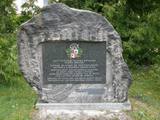 |
The rock is in the square outside the Skrunda Cultural Centre. It was installed in 2005 in honour of the victory of Col Oskars Kalpaks and his battalion over the Bolsheviks. During the Latvian liberation battles, on January 22, 1919, the Bolsheviks occupied Skrunda. Kalpaks’ battalion headed toward the town on January 29 from the Rudbārži Estate. After a three-hour battle, the victory was won, with the battalion taking over a strategic line near the banks of the Venta River. This was the first victory for Kalpaks’ men after many retreats, and that inspired the rest of the liberation battles. |
|
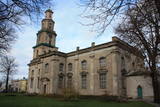 |
The church was built between 1742 and 1578 after a design by J.K. Dorn and for the needs of the local German congregation. The 55 metre steeple was completed only in 1866. The façade and interior of the church are in the style of late Baroque and Classicism (with elegant Rococo elements inside the church). The church is known for the organ that was built by H.A. Koncius between 1773 and 1780. Since a reconstruction in 1885, the instrument has more than 7,000 pipes, 131 registers and four manuals. It is suggested that it is the largest mechanical organ in the world, and its sound is just wonderful. Visitors can visit the church, examine the organ and climb the steeple. |
|
 |
Pokaiņu mežs atrodas 13 kilometru attālumā no Dobeles, braucot Īles virzienā. Tas, izvietojies uz stāviem pauguriem un dziļām ielejām, veido neparasti gleznainu ainavu. Mežā grupās, kaudzēs, akmens upēs un valnīšos, atrodas slavenie Pokaiņu akmeņu krāvumi. Krāvumi daudziem cilvēkiem liek sajust savdabīgus enerģijas strāvojumus - vieni redz vīzijas, bet citi – uztver informācijas plūsmu. Takas ved pa pagurainu apvidu.
|
|
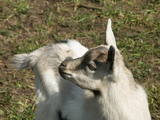 |
The farm breeds goats and uses goat milk to produce cheese and other products. A presentation hall offers visitors a chance to taste ice cream made of goat milk, as well as purchase goat-related souvenirs and other products. There are tours of the farm, too. |
|
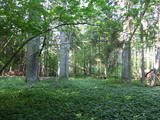 |
The Ukri forest on the border of the Dobele district is what is known as a vast forest. It has oak trees (including many huge ones), linden trees, oak trees (large stands of oak are uncommon in Latvia), and other deciduous trees. A small area of the forest can be toured in the company of a guide to look at the animals of the area and their importance in the flow of nature. The restricted area protects forest habitats, plants and animals, including many that are typical of the southern areas of Latvia. |
|


