
| No | Name | Description |
|---|---|---|
 |
The farm keeps more than 250 chickens and produces home-made ice-cream. We offer tours of the farm, ice-cream tasting, a story about the history of ice-cream. |
|
 |
Burtnieku muižas parks, kas atradās kungu ēkas priekšā, ir valsts nozīmes dabas aizsardzības objekts, tika izveidots ap 19.gs. 60. gadiem 10 ha platībā. Iespēja doties ekskursijā pa Burtnieku muižas parku mazākā vai lielākā grupā. Ekskursijas laikā gida pavadībā iespējams iepazīt teikām un nostāstiem bagāto parku, apskatīt teiksmaino Burtnieku ezeru, kā arī baudīt nesteidzīgu pastaigu svaigā gaisā. Papildus tiek piedāvāta iespēja iegādāties oriģinālus Burtnieku suvenīrus, kuros dažādi meistari ielikuši ne vien savu talantīgo roku darbu, bet arī Burtnieku stāstu. Lai diena būtu piepildīta, gids ieteiks, ja nepieciešams, koordinēs un dosies līdzi apskatīt arī citus dabas un vēstures objektus tuvākajā apkārtnē. |
|
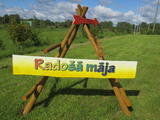 |
This venue organises seminars, courses and activities related to Latvian holidays and family celebrations. There are master’s classes about culinary heritage in
|
|
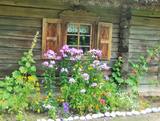 |
This museum was established in 1974, and it is one of the largest (194 ha) outdoor ethnographic museums in Europe, with 91,420 exhibits in all. The exhibition is made up of farms, villages and a small town to demonstrate the ancient architecture, culture and lives of Lithuanians, along with vegetables, fruits and flowers. |
|
 |
Bioloģiskā saimniecība nodarbojas ar Irbeņu ogu audzēšanu un dažādu to produktu ražošanā kā pulverus, sulas, tinktūras, eļļas, sejas maskas un kapsulas. Irbene ir vērtīgs ārstniecības augs, kur izmantojamas ir pilnīgi visas tā daļas – lapas, ogas, sēklas, stumbrs, miza, sakne un ziedi. |
|
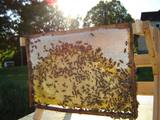 |
This family company offers high-quality and traditional beekeeping products in the Gauja National Park. There are some 110 hives of bees, and the products include honey, pollen, bee bread, wax and propolis. The owners also produce new and unprecedented products which satisfy the demand of clients for something that is unusual, but healthy. You can take a tour and purchase honey. |
|
 |
The handicraft house at Heltermaa harbour is located in the former 18th C tavern, here you can buy local handicrafts and participate in a large number of workshops (making soaps, felting, printing with plants and blocks etc). Open only in summer. |
|
 |
In the house that was renovated due to the initiative of the Craftsmen society of Beverina, it is possible to buy the products of both the district craftsmen and those from further territories, to visit creative workshops and events in order to learn the techniques of differnt handicrafts. The house is both a teaching centre and a marketplace, as well as the centre to popularise the cultural, folk and Latvian lifestyle of the Beverina district. |
|
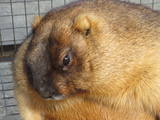 |
A friendly place for families, children and all interested parties. You can go on a tour or individually look at and learn about marmosets. |
|
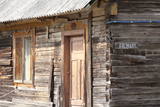 |
Vāldamõ – a residential building that is yellow and has natural roofing materials. It was built as a new farm at the beginning of the last century. Virgo is the next homestead to the North from Vāldamõ, and it was established as a new farm in the 1920s. The house (1930) features interesting wood carvings. Next to the North is Fīlmaņi, which has a building that appears antique, but was built in the early 20th century as a single roof. Silkalni is the homestead that we find if we turn to the right toward Pitrags at the crossroads. The yellow building was built around 1906 as a single room. Norpiedagi is to the South from Silkalni – a brown and larger house than the previous one. The home was built around 1906 as a one-room granary by the active Liv public activist and boat builder Diriķis Volganskis (1884-1968). His son, Edgars Valgamā, who was also a Liv cultural activist and worked as a pastor in Finland, was born here. Anduļi can be found at the aforementioned crossroads. This is one of the largest old farms in the village, and it is owned by the village elder. The history of the homestead was first recorded in 1680, when it was called Kūkiņi. The homestead includes a residential building (c. 1909), a threshing barn (1905), a granary (mid-19th century), and a smokehouse made of a boat that was cut in two. Under the part of the threshing barn which is on the back of the dune, there is the medieval, so-called Plague cemetery. Žoki is a homestead that is on the other side of the road from Anduļi. The building that is there now was built on the foundation of an older one. In the mid-19th century, Žoki was home to the first reading school for Liv children from the seashore villages of the Dundaga region. Liv Nika Polmanis (1823-1903) worked there as a teacher. Next to the North of Žoki is the Tilmači homestead, with several buildings that were built in the late 19th and early 20th century – a brown residential building, a stable and part of a granary. When the residential building was restored, the owner found a board reading "1825. Kurlyandskaya gubernya." The seven historical homesteads and buildings were at one time considered for listing on the UNESCO list of world heritage. |
|
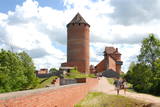 |
Before the stone Turaida Castle was built beginning in 1214, there was a wooden castle there that had been built by the Livs. The Turaida Castle was owned by the bishop of Rīga. It remained in place until 1776, when it burned down. The initial entrance to the castle's main tower was 9 m above ground, and in 1936, a viewing platform was installed at a height of 27 metres. There is no other view in Latvia that is like the one from the Turaida Castle! Restoration work at the castle began in 1953, when the upper level of the tower was restored and a roof was installed. Also restored was the former granary, which was home to an exhibition about the Sigulda region, along with the semi-circular tower and the southern segment of the castle complex, complete with the full reconstruction of its historical interior. Archaeological work was done around the castle between 1976 and 2001, and this led to the restoration of a large part of the complex. The castle now contains a museum exhibition related to the historical events of the surrounding area. The Turaida Castle is in the Turaida Museum Reserve (see above). |
|
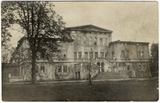 |
Muižas ansamblis veidots 19.gadsimtā, tās arhitektūrā atspoguļojās vairāku eklektisma formāli stilistisku virzienu uzslāņojumi, taču dominējošais bija baroka stils. Tā bija grāfa Kazimira Plātera-Zīberga (1808-1876), vēlāk grāfa Fēliksa Konstantina Plātera-Zīberga (1847-1928) rezidence. Pils un daļa saimniecības ēku tika iznīcinātas pirmā pasaules kara laikā, krievu armijas lielkalibra artilērijas apšaudes gaitā. Pārpalikušās drupas laika gaitā tika nojauktas. Līdz mūsdienām saglabājušies vārtu stabi, kas ir apmierinošā tehniskā stāvoklī. Muižā bijusi arī grāfa Zīberga 1697. gadā celta mūra kapela ar altāri un skaistām gleznām. Dievkalpojumus esot noturējis Ilūkstes prāvests. Bijušie īpašnieki: 18. gadsimtā barons A. Plāters-Zībergs, Kazimirs Plāters-Zībergs (1808-1876).
|
|
 |
This institution offers a look at characteristic rituals that relate to environmental transformation, as well as at ancient Baltic faiths. Family and calendar celebrations are held here, including weddings, hen parties, consecration, mid-winter activities, etc. Some of these are pagan festivals. The educational programmes are meant for adults. |
|
 6 days
|
The tour presents UNESCO World Heritage Sites and the Intangible Cultural Heritage of Latvia and Estonia. Experience the famous traditions of song, national crafts, architecture and food of the unique Suiti and Seto ethnic groups. |
|
 |
Remnants of the plank ways of a fishing port can be seen on the shoreline and
in the sea opposite Mazirbe. They recall the former fishing co-operative Zivs, which
was here in the 1930s.
|
|
 |
The owner of this guesthouse is a homeopath and phytotherapist who grows ecological medicinal plants. She offers educational programmes for adults and children, as well as a large library of books about health issues. All visitors are welcome to enjoy medicinal plant baths, herbal teas, colour therapy, aroma therapy, and camps that offer a chance to pick medicinal plants to produce healthy nutrition. The sauna and healing facility offers health promotion and beauty procedures. |
|
|
|
The Eversmuiža Estate is in the centre of Cibla and is dominated by a 1680 mansion that was built in the style of Classicism and was rebuilt several times later. There is a home for servants, a gatehouse and ancillary buildings that are in poor shape. A stone wall surrounds the park of the estate. Since the 17th century and for nearly two centuries, the estate belonged to an aristocratic Polish family, after it was owned by various others. Today the mansion houses a boarding school and the Cibla Regional Research Museum, which offers tours. A cultural and historical trail runs along the banks of the Ilža River. |
|
|
|
Atrodas ~ 0,4 km no Latvijas – Lietuvas robežas, Sventājas ielejas labā krasta nogāzē. Atrodama informācija, ka avotu tīrot, atklājusies 5 x 5 m ozolkoka „grīda”. Avots ir labiekārtots – virs tā slejas lapene ar niedru jumtu. Vēl pavisam nesen pie tā auga Latvijas dižākā ieva (nolūza), kuras vietā tagad kuplo biezs atvašu pulks. |
|
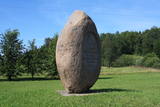 |
The G.F. Stender Museum is at the former Laši pastoral estate, 500 m to the Northeast from the Nereta-Ilūkste road. Gotthard Friedrich Stender (1714-1796), also known as Old Stenders, was the author of the first broader Latvian language grammar book (1761), the first Latvian-German and German-Latvian dictionary (1789), the first Latvian primer (1782), and the first illustrated primer, “ABC of Pictures” (1787). He worked as a pastor in Sēlpils and Sunākste and was born at the Laši pastoral estate, at which one of the buildings now contains a small museum. A memorial stone (sculptor I. Folkmanis, architect N. Tamane) is alongside the Nereta-Ilūkste road. |
|
 3 days
|
Во время путешествия Вы осмотрите знаменитую Гору Крестов, Старый Каунас. Со смотровых площадок или во время прогулки на кораблике Вы увидите живописные излучины реки Неман. В курортном городе Друскининкай Вы посетите Парк Грутас со скульптурами и памятниками советского периода, переживете ушедшие „советские времена”. Сможете на велосипеде прокатиться по Национальному парку Джукия – одной из нетронутой природной территории Балтии. Вечером можете насладиться SPA процедурами по Вашему желанию и отдохнуть в Друскининкайском аквапарке. |
|


