
| No | Name | Description |
|---|---|---|
 |
Garlic growing and processing, farmers’ market. A story about the value of garlic in health and cooking. Offers various garlic spices, teas, pickles, snacks, tasting of food with garlic. For children - garlic painting on canvas, garlic games. |
|
 |
The restaurant is on the shore of the Bay of Rīga, between the VIA Baltica highway (A1) and the sea. It is part of the “Kapteiņu Osta” territory, which is surrounded by the meadows of Randa. The restaurant has a summer terrace with beautiful sunsets. Latvian cuisine: Cold beet soup, potatoes with cottage cheese and herring, smoked eel, oven-baked catfish, baked pike-perch with hemp butter, cottage cheese buns, strawberry soup. Special foods: Fish soup. |
|
 |
Mustjala Mustard Saaremaa offers self-made mustard and chutneys, anyone can taste and choose the one that suits you best. We also organise masterclasses where you can learn how to make your favourite chutney yourself. |
|
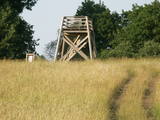 |
Here the visitor will find an ecological tourism trail in the ancient Embūte valley. The hills around Embūte date back to the Ice Age. There are valleys and forests of many fallen trees which are protected habitats. The visitor will learn about important natural and cultural monuments – the Embūte castle hill, as well as the ruins of a baronial estate, a castle and a church. The Courlandian chieftain Indulis died in the region. The visitor can view the Devil’s Dam, along with meadows, a viewing tower, etc. There are bicycler routes in the region. The site is located in the Embūte nature park. |
|
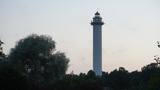 |
(formerly Pize and Pizā in Livonian). The current name of the village comes from a lighthouse (Mihailovskii majak) that was built during the age of the Russian Empire and named for the nephew of Tsar Alexander II. The lighthouse that is there now is the third one to be built on the site. It was built in 1957 and is the highest lighthouse in Latvia (57 m, can only be viewed from the outside). The Lutheran church in Mikeļtornis was built in 1893, and nearby is the Pize Saloon (1857), which is terrible condition. The saloon has a typical design from the 19th century and is the only venue of its type on the Livonian coastline. The first Livonian cultural activist, Jānis Princis (1796-1868), was born in Miķeļtornis, and he and son Jānis translated the Gospel of Matthew into the Western Livonian language. The two of them also wrote a collection of poetry, "Holy Songs and Prayers for Sailors." The only poetry book in Latvia prior to that was published by Blind Indriķis. A student of Vilhelms Purvītis, Livonian painter Andrejs Šulcs (1910-2006), was born at the Olmaņi homestead in Miķeļtornis. A monument to Livonian poets was installed at the local cemetery in 1978 and was the first monument dedicated to Livonians. There are plans to open an environmental object by artist Ģirts Burvis, "Century of Sailing Ships", in 2019. |
|
 4 days
|
The trip starts in Kuldīga – a jewel among the old towns in Kurzeme. The town centre is home to historic buildings dating back to the 17th – 19th century. Cobbled streets of Kuldīga, old buildings, the river Alekšupīte, running through the town, St. Catherine’s Church and organ music concerts in it, gourmet restaurants and a country delicatessen shop in the town centre is a great travel experience to enjoy in a leisurely ambience of a small town. The red-brick bridge over the river Venta is a landmark of the town. The widest waterfall of Europe, Ventas rumba (width ~100 m) lies on the Venta. Venta river promenade is a popular place for walking along the riverbank. A private transfer will take you from Kuldīga to the village of Snēpele, where you will start your hike. The trail will take you to the Pelči Manor, the manor park and the deer park next to the guest house “Mazsālijas”. Next, the Forest Trail will lead you through the Abava River Valley Nature Park up to the town of Sabile. The latter is home to a winery and cider house “Sabiles Sidra nams”, which offers tastings and sells the local wine and cider. The section along the Abava River Valley Nature Park is the most diverse in terms of landscape and terrain of a river valley in Kurzeme. The river valley with its numerous habitats and vast biodiversity reaches a depth of 30–40 m and is more than 300 m wide. One will find springs, waterfalls, rock outcrops, and boulders here. After the Forest Trail has meandered through meadows, oak forests and hillocks it finally reaches the town of Kandava. |
|
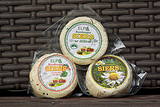 |
For more than 20 years the company has been partnering with some 100 local suppliers of milk. Its main principle is to offer healthy dairy products, including kefir, cottage cheese, cream, yogurts and soft cheese. SIA Elpa is the only dairy processing company in Southern Kurzeme that offers tours and tastings of products. Products can be bought, and during the tours, visitors can taste kefir, cheese and yogurt and help with the dairy processing process themselves. |
|
 |
Zemnieku saimniecība “Janavas” var lepoties ar bioloģisko produktu ražotni, kur top jau labi zināmais krēms "Beāte", daudz dažādi ziedūdeņi, zāļu tējas un citi eko produkti. Saimniecības teritoriju lielākoties klāj bioloģiskās pļavas. Agrākā saimniecības ēka ir iekārtota tūristu grupu uzņemšanai, kur iespējams uzzināt par bioloģisko augu ietekmi uz cilvēka veselību un pie reizes arī iegādāties produkciju. Tiek piedāvātas pastaigas pa Daugavas senleju augu pasaulē, atpūtinot prātu un ķermeni no ikdienas un uzzinot par ārstniecības augu nozīmi cilvēka organismā. Glempinga teltī ir divguļamā gulta un dīvāns, ledusskapis, Nespresso kafijas aparāts, tējkanna, šķīvji, krūzes, glāzes un visi ēšanas piederumi, spēles bērniem, kā arī sildītājs vēsākiem vakariem. Ārpus telsts pieejama āra duša, Toi Toi mazmājiņa ar ūdeni un dezinfekcijas līdzekļiem, latvju zīmēm rotāta ugunskura vieta ar ērtiem krēsliem vakara baudīšanai, galds ar krēsliem ēšanai. Šis piedāvājums ir tapis sadarbībā ar sociālo uzņēmumu "Kultūras tūrisms". |
|
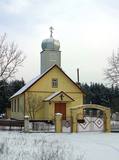 |
Malta (Borovaja, Borovska) Old-Believers Prayer House. The construction
of the church was started in 1931 by A. Gruncevičs. The Church is an architectural
monument of local importance.
|
|
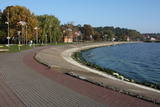 |
The most populated place in The Curonian Spit - old curonian village - Nida. Until 19th century Nida's citizens were mainly fishermen. Later it became a popular resort. Like other villages here Nida has been "moved" because of "wandering dunes". There are a lot of museums to see. During tourism season there is around ~ 200 000 – 300 000 tourists here.
|
|
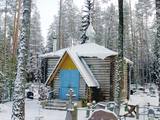 |
All Saints Orthodox Church of Malta (Rozentova) was built in
1928. It is the wooden log building with double window frames and a
dome. Facades are decorated with the motive of the sun.
|
|
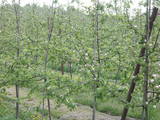 |
One of the loveliest apple orchards in Latvia (~10 ha, 30 types of apples) is on the sides of impressive hillocks. During clear weather, you can see the Bay of Rīga from atop the hillocks. The farm is particularly beautiful when apple trees are in bloom. Apples are available for tastings and purchase. |
|
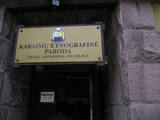 |
Karaims are a small nation of Turkish decent who practise The Karaim religion which started developing around 8th century in Persia. Their language is still used in modern-day Lithuania. In the museum there are rooms not only dedicated to Lithuanian Karaite communities but also Poland's and Ukraine's. |
|
 1 day
|
Dodieties ekskursijā, lai gūtu ieskatu lauku profesijā un dzīvesveidā, kā arī iegūtu jaunus iespaidus un labu atpūtu visai klasei. Ekskursijas laikā apmeklējiet maizes ceptuvi, kurā pielieto no seniem laikiem izkoptās meistaru zināšanas un prasmes. Te var doties ekskursijā, veidot un cept maizes kukulīti. Pēc tam apmeklējiet atpūtas kompleksu, kur iespējams gan ieturēt maltīti, gan izstaigāt baskāju taku. Ekskursijas noslēgumā dodieties uz kazu saimniecību, lai noklausītos saimnieka atraktīvo stāstījumu par kazu audzēšanu un piena produktu (piens, siers, kefīrs) ražošanu. |
|
 3 days
|
This programme allows participants to learn about Latvian ethnography and traditions through meeting local craftsmen and having master classes with them in knitting traditional mittens and gloves, making amber jewellery and cooking traditional foods. There is chance to have a unique experience because of the authenticity of some places and traditions, for example the ethnographic house of living history Zvanītāji still retains its original appearance - massive ceilings, large family room with bread oven and natural, unpainted wooden floor. The carew chimney is still in the kitchen. The house is filled with characteristic looms, a family table, beds, wardrobe, cradle, various items and tools used on the farm. |
|
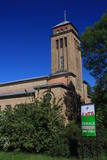 |
The Aknīste Catholic Church was built between 1937 and 1940, and its design is based on the Kaunas Church of the Resurrection in Lithuanian. The building features the rectangular and geometric forms that were typical of the age of Functionalism. Inside is a large wooden altar, along with a pulpit and two side altars (from the early 19th century) which were once found at the Rokišķi church. They were brought to the Aknīste church when the one in Rokišķi was redesigned. In 1997 the church was granted the Blue Flag of European cultural heritage. Alongside the church are the red brick gates of an old Catholic church, which date back to the latter half of the 19th century. Also there is the Selonian Park. |
|
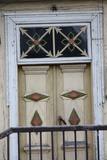 |
Ein schönes Holzhaus (Baznīcas ielā 7), gebaut 1670 an der sogenannten Venedig-Brücke in Kuldīga über den Fluss Alekšupīte. Auf dem Dach des Hauses befindet sich eine der ältesten und schönsten Windfahnen der Stadt. |
|
 |
The owners grow shitake mushrooms and offer tours with information about how mushrooms are grown and what their nutritional properties are. Mushrooms can be bought, and consultations are available. The owners also offer other types of biological farm produce, as well as honey. |
|
 |
1935. gadā Tūjā darbojās ķieģeļu ceplis, kas
ražošanā izmantoja apkārtnē esošās Devona perioda mālu iegulas.
1936. gadā uzsāka jaunās fabrikas celtniecību. Šeit ražoja arī augstas
kvalitātes ķieģeļus, ar kuriem tika apšūts arī Rīgas Pulvertornis. Tagad
fabrikas vietā ir pamests grausts, kas redzams no Tūjas centra, ejot jūras
virzienā.
|
|
 2 days
|
Это поездка предназначена для компании друзей или рабочего коллектива, желающих как активно провести выходные, так и узнать о кулинарном наследии Курземе и попробовать экологически чистые продуты. Во время поездки Вы в сопровождении гида и при свете факелов изведаете Северные форты Военного городка Лиепаи, ознакомитесь с разнообразием побережья Балтийского моря и увидите леса Шлитере с высоты птичьего полета с маяка Овишу. На второй день Вы можете пройтись пешком по двум природным тропам, что будет как полезно для здоровья, так и познавательно. |
|


