
| No | Name | Description |
|---|---|---|
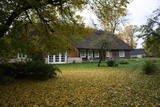 |
Ethnographical guesthouse in the historical Paenese, Muhu island
|
|
 |
33,5 m augstais tornis tikai nedaudz paceļas virs priežu galotnēm. Tas meklējams Dzintaru mežaparkā, kas ir ģimenēm ar bērniem draudzīga vieta. No torņa redzami Jūrmalas meži, augstākās ēkas (sanatorijas, viesnīcas) un Rīgas jūras līča ūdeņi. |
|
 |
The farm "Krūmiņi", popularly called the Bread House, is a place to participate in real rural bread baking rituals, make dough and bake pies yourself, get to know grains, explore grain products, create Latvian strength signs and learn about centuries-old traditions related to bread. The heartfelt owners of the farmstead in the old barn also offer to enjoy the anniversaries, unusually celebrate their special holidays and enjoy extended life skills programs with soup cooked by the fire and watching natural events. When visiting the Bread House, you will learn why bread is baked here with the taste of freedom for almost 100 years, and the merry owners of the house know best to tell about it. |
|
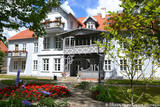 |
The Šilute Estate is often described on the basis of its last owner, Hugo Scheu, who bought the estate in 1889. He restored the estate's buildings and territory, also installing two parks, one for the estate, and the other one known as the "raven forest." Alongside the estate is an English-type park with strolling trails. The park is used by local residents and is on both sides of the curvy Scheu River, with the banks connected by pedestrian bridges. He park stretches to an old railroad bridge and has approximately 150 types of plants, including 40 types of trees and shrubs. |
|
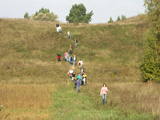 |
The Markova information trail is the most diverse and impressive trails along the upper reaches of the Daugava river in terms of objects and landscapes. The visitor will go to the top of the Markova castle hill, which offers a great view of the river valley. The deep Putāni stream valley will be crossed to get to the cliffs on the right bank of the Daugava. Here, the visitor will see one of the most unusual landscapes of Latvia’s river valleys. There is the Slutišķi village of Old Believers, along with the mighty Slutišķi cliff in the background. The trail is 1.6km long, and it will take an hour or two, particularly if the visitor chooses to tour the village and the homes of the Old Believers.
|
|
 |
Nīcas siera ražotne atrodas zemnieku saimniecībā “Birzmaļi”, kas ir viena no lielākajām piena ražotājām Lejaskurzemē. Ideja par amatniecības siera ražošanu radās 2017. gadā, un tā tika īstenota, ar LEADER programmas atbalstu izveidojot ražotni. Ikkatrs siera ritulis ir siera meistaru roku darbs, veidots ar lielu atbildību un rūpēm par augstāko kvalitāti. SieriSvaigais siers – mocarellas tipa svaigais siers ar dažādām piedevām, piemēram, ķimenēm, baziliku un papriku, kā arī citām rūpīgi piemeklētām garšām. Puscietais siers – gatavots pēc Nīderlandes siera metodes, kas piešķir tam maigāku, nedaudz saldenu garšu un elastīgu tekstūru. Siers tiek nogatavināts no trijiem līdz pat divpadsmit mēnešiem. Cietais siers – recepte balstīta Itālijas siera tradīcijās. Tas izceļas ar izteiktu garšu un raksturu un tiek nogatavināts sešus vai divpadsmit mēnešus, iegūstot bagātīgu un niansētu garšas buķeti. Kā top siersSiers tiek gatavots no nepasterizēta rīta slaukuma govs piena, ko sāk apstrādāt vēl siltu. Šāda pieeja ļauj saglabāt piena dabisko garšu un raksturu, padarot sieru izteiksmīgu, niansētu un dzīvu. Sieru gatavo meistare Dace Vecbaštika, apvienojot tradīcijas ar rūpīgu roku darbu. ApmeklētājiemIkdienā apmeklētājus ražotnē neuzņem, taču siera degustācijas ir iespējamas, iepriekš vienojoties. Nīcas sieru iespējams nogaršot arī kafejnīcā “Dzintariņš” Bernātos, kā arī restorānos “Parka Paviljons” un “Spīķeris 53” Liepājā. Kur iegādāties sierusNīcas sierus iespējams iegādāties tirdzniecības vietās: LATS veikalos Nīcā, siera stendā Liepājas Pētertirgū, mājražotāju veikaliņā “Martas kiosks” Grobiņā, mājražotāju tirdziņos Liepājā, Rožu laukumā, atpūtas kompleksa “Rāmkalni” veikalā, kā arī pēc iepriekšēja pasūtījuma. |
|
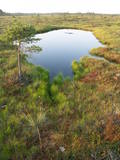 |
This territory was established to protect the rare tree specie in Latvia - common hornbeam, which covers approximately 4% of the territory, but the most visually interesting part of the area is the Tīrspurvs swamp, also known as the Dunika heath. This is where the visitor will find Latvia’s longest and most impressive swamp footpaths, which crosses the area from the North to the South. Visitors will be fascinated by the unique landscape of the central part of the swamp, where in some places there are not even small swamp pine trees. Various habitats will be found – small swamp lakes, mineral islands, marsh pools, etc., and that is to say nothing of all the birds in the area. |
|
 |
Ap 9 km garā taka (vienā virzienā) sākas Skaņākalna dabas parkā (Mazsalacā) un beidzas pie Ramatas. Tā iepazīstina ar Salacas ielejas dabas parka nozīmīgākajām vērtībām – smilšakmens atsegumiem (Skaņaiskalns, Dauģēnu klintis u.c.), alām, nozīmīgu izmēru laukakmeņiem u.c. Taka marķēta. Tajā izvietoti informācijas stendi, norādes. Jāpadomā par loģistiku – kā nokļūt sākuma punktā. |
|
 12 days
|
This route includes some of the most authentic experiences that can be found in the regions of blue lakes in eastern Latvia and Lithuania. No masses of tourists are here, and local residents are sincere and hospitable. You will find traditional villages, many religious objects and farms that represent agricultural heritage. You will ride through the Rāzna National Park, which is alongside the lovely Lake Rāzna. You will visit traditional farms and ancient castles, as well as the Aglona Basilica, which has been a destination for pilgrims for many years. There is also a bread museum in Aglona. From there you will ride through Daugavpils, which has an impressive 19th century fortress that includes the Mark Rothko Art Centre. Along the way you will find potteries where traditional ceramics are offered. You will learn more about breeding horses and cows, as well as about how traditional cheeses are made and herbal teas are prepared. Next you will ride through the Aukštaitija National Park that is on the border between Latvia and Lithuania. You will see ethnographic villages with wooden castles, as well as many lakes. It is worth visiting the Stripikiai Beekeeping Museum, the local open-air art museum, as well as the European Centre. To be sure, you will enjoy local Lettigalian beer, as well as zeppelins, which are a traditional dish in Lithuania. |
|
 |
One of the biggest castle hills in Estonia, which is surrounded by walls built of stone. It is mentioned in Livonian Chronicle of Henry as one of the best fortifications at that time. |
|
 6 days
|
Onions, fish, villages that stretch out for several kilometres where the buildings are lined along the main street, ornate Old Believers' churches, small harbours with fishing boats and wooden houses, each painted in a different colour! Cafés, shops and a view of Lake Peipus, which looks more like a sea than a lake. This could be the description of this tour. This tour is a very interesting part of the Forest Trail, which will give you an opportunity to see and enjoy the Lake Peipsi region, the culture and lifestyle of local people as well as the nature. The tour will start in Tartu – Estonia’s second biggest city. You will go by bus from Tartu to Varnja where you will start to hike. During the tour you can visit Kostja’s onion farm, where the host welcomes guests and presents onion cultivation. It is also worth visiting the Chicory Museum in Kolkja to get acquainted with the history of chicory cultivation in row villages near Lake Peipus. You will also see Alatskivi Castle. In Avinurme we suggest visiting the Avinurme wooden handicraft centre and get acquainted with the local woodcraft, spend quality time in woodworking workshops and taste or even prepare yourself a selection of Estonian traditional foods. At the end of the tour you will return to Tartu by bus. |
|
|
|
Einen malerische Sandsteinfelsen bis 600 m lang und 21 m hoch am linken Flussufer vom Gauja. |
|
 |
The trail informs visitors about one of the loveliest natural habitats in
|
|
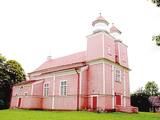 |
Located in the southern part of Feimaņi, the church was built between 1756 and 1760. The local estate was owned by the Korff dynasty, and the denomination of the congregation changed when the family converted from Lutheranism to Catholicism. This church has the largest number of artistic monuments among all churches in the Rēzekne Administrative District, including a confessional bench, pews, an organ prospectus, silver cups and three altar wood engravings from the 18th century. Above the gate is a bell tower with four bells. During Holy Week, clappers are used instead of bells. They are about 2 m long and 1 m high and are reminiscent of ancient laundry rolls. Feimaņi is also home to one of three flag workshops in Latvia, and it has state-of-the-art equipment. The flag of Latgale was “born” here in ideological and physical terms. |
|
 |
A place where you can enjoy nature and food. The tavern Kogre got its name from Seven Fish Soup - crucian (koger), is the seventh fish. The owner is a fisherman, and together with his wife he prepares various dishes from his catch. |
|
 |
Farm Maizes māja near Cēsis, where you can gain joy, strength and vitality! This tourism farm offers cognitive and educational programmes for adults and children, introducing them to the traditional Latvian lifestyle and intangible cultural heritage. At Maizes Māja, groups of students, families, friends, and tourists become members of the family and have a lot of work to do, for example, bringing firewood and firing the oven, before baking rye bread or sweet and sour bread from Kaupo rye flour in a proper bread oven. When the work is done, a nice meal is enjoyed together. |
|
 |
For the first time Valmiera is mentioned in the historical sources in 1323. Until the 13th century this place was in the composition of Talava, inhabited by Latgalians. Construction of Valmiera medieval castle began in the beginning of the 13th century, but in 1283, between the Gauja River and Rate River towered church. Location near to the Tartu-Pskov and Novgorod trade routes greatly facilitated the economic development of the populated area. During the 14th-16th century Valmiera was a part of the Hanseatic League. It suffered greatly from wars, epidemics and fires in 16th to 18th century. In the second half of the 19th century the economic boom started again. It was also facilitated by the building of wooden bridge across the Gauja in 1866 and Riga-Pskov railway opened in 1899. Historic centre is destroyed in 1944. During post-war years, large industrial companies such as - Valmiera glass fiber factory (to this day) are opeating in the town. Today, Valmiera is economic, educational and sports centre of Vidzeme. |
|
 |
Piemājas zoodārzs "Brieži" atrodas netālu no Rīgas. Šeit sastopami daudzi un dažādi dekoratīvie putni, tītari, pīles, fazāni, pāvi un žagata, starp tiem dzīvo jūrascūciņas un truši. No četrkājainajiem draugiem te var sastapt Holandes pundurkaziņas, Haidšnukes aitas, Šetlandes ponijus, ēzeļu ģimeni, vāverēnus un jenotpuiku Bārniju. Zoodārzu palīdz sargāt zosu bariņš un Peruāņu pundursivēns - Pigis. No 2015. gada Briežos dzīvo arī dambrieži un briedis Munžaks. Pēc pastaigas zoodārzā, iepriekš piesakot, iespējams izmantot piknika vietas un bērnu rotaļu laukumus. |
|
 4 days
|
This is for birders who can’t afford to take longer breaks to enjoy birdwatching. Short but rewarding trip during spring migration. Cape Kolka is a place where pass the largest numbers of migrating birds in the spring time. More than several tenth of thousand birds cross the Cape each hour. During active period of migration it is possible to see more than 100 different species daily just at this one place. There are several birdwaching places located at different biotops – seaside meadows, sea cost and lakes and wetlands. Kemeri National Park is one of the best places for woodepecker watching. In a short period of time it is possible to see about seven species. |
|
 |
A tea house in Alsunga that offers to taste delicious herbal teas and home-baked cakes, as well as enjoy cultural events and a truly unique traditional Latvian herbal tea ceremony. |
|


