
| No | Name | Description |
|---|---|---|
 |
The café is on the edge of the Jēkabpils-Rēzekne road (A12) in a lovely location by a pond where guests can fish for perch, pike, tench and carp. Eastern cuisine and fish dishes are offered. |
|
 |
From the berries and fruits that grow in the wonderful Võrumaa hilly area, farmers make wine, introduce guests to their garden, explain the wine making process, organise tastings and classes. |
|
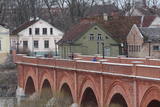 |
Kuldiga is deservedly considered the most beautiful small town of medieval times in Latvia. Instead of it already in the 13th century the Bandava centre of the ancient Cours land was located. In 1242 construction of stone castle was begun at Venta Falls by the Livonian Order. Populated area formed beside the castle, which was the first to acquire the rights of a city in Kurzeme (in 1378). Significant was also its participation in the Hanza Union. From 1561 until 1795 Kuldīga was the capital city of Kurzeme Dukedom. Naturally, in the first half of the 17th century it experienced rapid economic growth, which was terminated by the beginning of the Northern War and plague epidemic. The pride of Kurzeme residents and the lack of larger industrial objects was the reason, why during the Soviet times larger masses of immigrants did not flood the city, therefore today Kuldiga is one of the most Latvian cities in Kurzeme. It is worth to visit Kuldiga and stay there for more than one day, because there is plenty to do here. Nature fans may observe the flying fish, but for researchers of cultural history a really vast field of work opens here. |
|
 |
The large farm is to the South of the centre of Lone, producing apples, pears, plums, cherries, strawberries and black currants. It stores apples during the whole winter. You can help to pick the fruit and berries and purchase them for yourself. |
|
 10 days
|
This tour will surprise you with the diversity and unusual products of farms. You will visit several farms that offer ecological produce that can be tasted and purchased. From Vilnius, you will travel to an ecological goat farm that offers 60 types of cheeses made of goat milk. Next you will visit an ethnographic Lithuanian farm that breeds horses and sheep. You will spent a day in Kaunas to visit the Nemuna River valley, as well as the Raudone and Panemune castles. A picnic at a farm with acorn coffee, pancaked baked on a campfire and soup made of locally picked wild mushrooms. The ecological Buivydai farm breeds cattle and grows blackberries. Along the way you will visit the Courlandian Dune, the Sea Museum and Delphinarium and the most popular spa town in the dunes, Nida. From there you will drive to Latvia, where the Pape Nature Park offers a look at wild horses, and the ethnographic Ķoņi village is an old seashore fishermen's village. In Liepāja, it will be worth visiting the local market, which is more than 100 years old and offers seasonal vegetables, fruit, greens and flowers from local farms. Next you will visit an environmentally friendly farm that has 130 different types of apples and a wine operation that prepares wines from local fruits and berries. The farm uses biodynamic farming principles to grow beans and peas, as well as to breed livestock so as to produce tasty sausages. Next you will visit the lovely Medieval town of Kuldīga and its brick bridge across the Venta River. An environmental health farm will allow you to enjoy herbal teas and learn about various ecological cosmetics made of plants from the clean environment. Along the way you will enjoy the landscape of the ancient Abava River Valley and visit the Sabile wine hill where grapes are grown to produce local wines. Next you will visit the charming small town of Talsi, where you will find the Latvian Agriculture Museum. The tour will conclude at a farm which grows fruits and vegetables and offers syrups, jams and canned vegetables. You will complete you tour in Rīga. |
|
 2 days
|
Šis ir viens no 6 ceļojuma maršrutiem sērijā "Baudi laukus!", un tas aicina apmeklēt Lauku Labumus – visdažādāko veidu un nozaru saimniecības un uzņēmumus, kas atvērti apmeklētājiem, piedāvā ekskursijas, nogaršot, apskatīt un iegādāties savus ražojumus. Tur apskatāmi mājdzīvnieki, mūsdienīgas lauku saimniecības, amatnieku darbnīcas, iegādājami lauku produkti – maize, medus, mājas vīns un alus, siers, ogas, augļi, zivis, gaļa, dārzeņi, tējas un citi laukos audzēti labumi. Pa ceļam iespējams ieturēt pusdienaslauku krodziņos. |
|
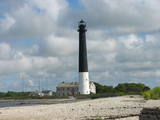 |
Die Südspitze der Insel Saaremaa – eine aus Geröll in der Irbenstraße langgestreckte Landzunge. Militärbefestigungen, Leuchtturm (1960), Vogelbeobachtungsort. |
|
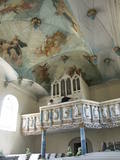 |
The Apriķi Lutheran Church is, for good reason, known as one of the most beautiful churches in Kurzeme. It was owned by the Osten-Zacken dynasty in the past, built in the 17th century, and rebuilt in 1710. The wooden interior is in the Rococo style with elements of the Baroque, and it dates to the mid-18th century. It is amazingly ornate. The beautiful ceiling paintings, which were produced by a Prussian painter called Rode, were painted between 1744 and 1746. |
|
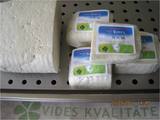 |
Here you can tour a farm which features goats, horses, rabbits, fowl and livestock. Equine therapy is available, as are horseback, pony and carriage rides. You can purchase goat milk, cheese, cottage cheese, kefir and yogurt. |
|
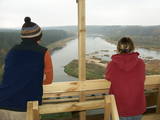 |
The viewing tower was built quite recently. At its foot is a location for relaxation. It offers a good view of one of the curves of the Daugava River – the Adamova curve. A bit beyond is the Curves of Daugava Nature Park. Along the tower is the “Saulkrasti Trail” bicycle route.
|
|
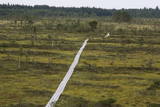 |
The tower is in the western part of the Vasenieki swamp, and an interesting nature trail with information stands and pathways was recently established there. The tower offers a look at unique swampland – visitors can survey the entire swamp. Wear proper footwear when it is damp outside!
|
|
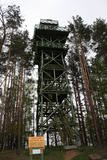 |
Viens no diviem nacionālā parka skatu torņiem, kas atrodas ~ 1,5 km ziemeļos no Ehijerva ezera (Ähijärv). Tornis ir veiksmīgi „nomaskēts” nelielā priežu pudurī, tādēļ tas „nebojā” izcilo dabas un kultūrainavu, kas paveras no tā skatu platformas. Pie autostāvlaukuma ir izveidota labiekārtota atpūtas vieta. |
|
 |
Zemnieku saimniecība "Mežnoras" Raunā izveidota 1993.gadā. Saimnieki Aivars, Ārija un Līga Urbasti šobrīd audzē 1,6 ha vasaras un rudens avenes, arī nelielās platībās zemenes uz lauka un segtās platībās, siltumnīcā. Zemenes no "Mežnorām" parasti pieejamas laikā no maija vidus līdz oktobra vidum. "Mežnorās " audzē vasaras avenes "Norna", rudens avenes "Babje ļeto", “Polana”, populāro zemeņu šķirni “Polka”. No savā dārzā audzētajām ogām (upenes, jāņogas, ķirši, zemenes u.c.) Aivars gatavo mājas vīnu: "Mežnoru vīns pilnībā sākās Mežnorās. Tas piedzimst nevis mucās, bet sākas mūsu zemeņu vai aveņu laukā, un tās ir daudz dziļākas saknes, kas atstāj pēdas arī garšā”. Saimniecībā audzētais pieejams uz vietas Raunā, gan arī Straupes Lauku labumu tirdziņā, Straupes Hanzas tirgū, arī sezonā - Cēsu tirgū. |
|
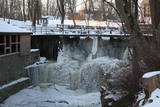 |
Atrodas pie Kuldīgas pils dzirnavām, kur straujā Alekšupīte pirms ietekas Ventā izgrauzusi dziļu „kanjonu” dolomītā. Šo dēvē par vienu no augstākajiem Latvijas ūdenskritumiem (4,15 m). 17. gs. ūdenskritumu ievērojami pārveidoja – paaugstināja un nostiprināja, lai Alekšupītes straumi izmantotu dzirnavu darbināšanai. Upītes kreisais krasts ir labiekārtots. |
|
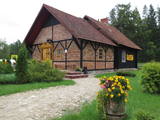 |
The “Kukaburra” café is located on the 115th km of the Riga-Veclaicene highway (A2). It is possible to see the Bread museum. Guests can take part in baking rye bread every weekend. The café has a Latvian interior and serves products from local farmers and home-based producers of ingredients. Latvian cuisine: Chicken liver salad, lamb soup, dumpling soup, cold soup, baked catfish, sautéed pork, potato pancakes, pancakes with jam cottage cheese buns, stacked rye bread. Special foods: Home baked rye bread. |
|
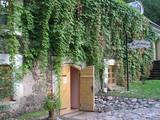 |
The café is situated in a comfortable cellar of a museum commemorating the life of the Latvian author Anna Brigadere. Here you will find a variety of foods and drinks that can satisfy any taste. In the summer, in the yard filled with sunshine, you will be able to relax on the outdoor terrace, listening to the waterflow of the Tervete river, whereas in winter, having enjoyed the snow drifted landscapes, warm up in the cellar, drinking tasty tea. The café organises parties with the good witches of the Tērvete forest, as well as rides in horse-drawn carts or sleds. Latvian cuisine: Pork ribs in honey sauce, pancakes with jam, mushroom sauce. Special foods: “Bear’s paw”. |
|
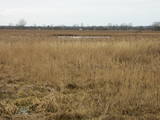 |
Most of this restricted area is made up of a shallow and eutrophic body of water in which many species of birds, including some that are rare and protected, nest. Specialists say that anywhere between 150 and 450 pairs of black-headed gulls nest in this area on a regular basis.
|
|
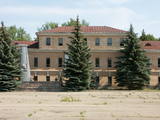 |
1275 is considered as a year of foundation of Daugavpils. This is the time when the Master of Livonian Order Ernst von Ratceburgs built Dinaburg castle at the Naujene hill fort. It suffered several Lithuanian and Russian invasion until in 1577 the castle was destroyed by Russian troops under the command of Ivan the Terrible. After this event Dinaburg was restored 17 km further on the right bank of the river, where now the town of Daugavpils is located. From 1810-1833a new fortress was built. In 1826 started the building of what is now the historic centre of the town. During the World War I the major industrial companies with workers were evacuated to Russia. During first Latvian Republic, the cultural life in Daugavpils flourished. Most part of the town was destroyed during World War II – in the July of 1944. Nowadays the town is the second largest town in Latvia and is an important economical centre of Latgale historic region. Restoration of Daugavpils Fortress was launched recently; this project can be considered as a unique on the European scale. |
|
 |
Rečina Old-Believers Prayer House was built in 1912. It has a rectangular shape with a single-hall,
rubble-wall foundation and a small tower on the top of the altar.
|
|
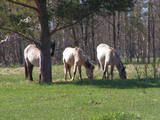 |
Für den Zweck der Bewirtschaftung der Niederungsauen des Pape-Sees und der Vermehrung der biologischen Vielfalt sind hier Konik-Wildpferde angesiedelt wurden. Die kann man mit einem örtlichen Guide kennenlernen. |
|


