
| No | Name | Description |
|---|---|---|
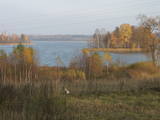 |
Ārkārtīgi ainaviska teritorija Augšzemes augstienes centrālajā daļā ar vairākiem ezeriem - Medumu, Lielo un Mazo Ilgas, Šķirsteņu un dažām mazākām ūdenstilpēm. Medumu ezera salām ir dabas lieguma statuss. Teritoriju šķērso vairāki grantēti ceļi, no kuriem dažviet paveras brīnišķīgas, bet nelabiekārtotas skatu vietas. Teritorijā atrodas Medumu katoļu baznīca. Piemērota teritorija dažādu aktīvā tūrisma veidu attīstībai. Dabas parks ietilpst Augšzemes aizsargājamo ainavu apvidū. |
|
 |
Lapsu Mājas sieri tiek gatavoti Ogrē. Godinot latviskās tradīcijas, tos 2013. gadā kā mazais mājražotājs sāka siet Jānis Lapsa savā mājas virtuvē. Lapsu Mājas sieru gatavošanas process ir 101% roku darbs - sākot no sieru masas gatavošanas līdz pat iepakošanai. SieriMājas siers ar samazinātu sāls daudzumu no govs piena (pieejami ar 27 dažādām garšām). Šiem sieriem ir piešķirta kvalitātes zīme "Zaļā karotīte". Bezlaktozes mājas siers ar samazinātu sāls daudzumu no bezlaktozes govs piena. 2021. gadā kā pirmie Latvijā sāka ražot bezlaktozes mājas sierus no govs piena. Jāņu siers ar sviestu vai ar saldo krējumu. Kā top siersTā kā siers tiek ražots pilsētas teritorijā, piena produkcija tiek iepirkta. Sieriem ar samazinātu sāls daudzumu un Jāņu sieram produkcija tiek iepirkta no piena pārstrādes uzņēmuma “Straupe”. Bezlaktozes sieriem produkcija tiek iepirkta no AS “Jaunpils pienotava”. Savukārt olas tiek iegādātas no Ropažu zemnieku saimniecības “Rasas”. Apmeklētājiem
Kur iegādāties sierus
|
|
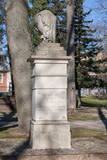 |
In 1877, Baron August von Pistohlkors, celebrating the merits of his ancestors in the foundation and development of Neibāde, ordered a monument to be erected in the park. After World War I, in the early 1930s, the monument was accidentally found during the cleaning of the bed of the River Ķīšupe. The monument was renovated by the Neibāde Aid and Improvement Society and officially reopened in 1933. The monument also suffered damage after World War II. Now the monument is restored and located in the park of the open-air stage. |
|
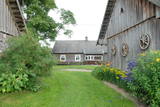 |
The “Gulbji” Selonian homestead is one of the very few places in Latvia where you can see a farm typical of the historical region of Selonia with its typical buildings. “Gulbji” is comparatively far from major roads and populated areas. It is on the so-called Dronku Island, not far from the beginning of the ancient Dviete River valley. The owners of “Gulbji” have collected a wealth of ancient household objects. Visitors can study the farm, examine a collection of medicinal plants, enjoy Selonian foods, or take a “black sauna.” It could be said that people at “Gulbji” have a natural farm which nurtures and maintains the traditions of the historical region. Latvian cuisine: Crepes, grit soup, cream of potato soup, beans sautéed in a special sauce, fruit dessert, bread soup with whipped cream, tortes, herbal teas. Special foods: Zeppelins. |
|
 |
The café is in the historical centre of Tukums and offers various Latvian baked goods and pastries. |
|
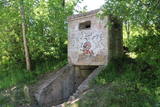 |
Viena no slepenākajām vietām kādreizējā Padomju Latvijā - bunkuri ir bijušais raķešu vadības punkts un patvertne. Bunkurus izveidoja 1950. un 1960. gadu mijā Padomju armijas vajadzībām. Par atrašanos šajā teritorijā draudēja bargs sods. Celtnes izveidošanai ar milzīgām 16- riteņu kravas automašīnām tika atvesti lieli dzelzbetona bloki. Pēc trīs bunkuru izveidošanas, papildus nostiprināšanai un nosiltināšanai tos apbēra ar granti. Celtne sastāv no 2 x 3 sekcijām, kas pievienotas vidējam gaitenim. Blakus ēkā atradās skola, kad 1946. gadā tā daļēji bija izdegusi, tika noslēgts līgums ar Padomju armijas garnizonu par telpu īri. Tā Valkas pilsētas centrā radās militārais centrs un Valka kļuva par Padomju Savienībai svarīgu kodolbruņojuma objektu. Objekts pieejams tikai no ārpuses! |
|
 |
"Anima Candles" sveces ir roku darbs. Svecēm pieejami vairāki dizaini, kas variē gan krāsās, gan izgatavošanas metodē. Krāsu un smaržu klāsts ir plaši pieejams. Tās izgatavotas no pārtikas rūpniecībā izmantojamā parafīna vai ekoloģiskās sojas. Sveču ražotnē tiek piedāvātas sveču liešanas meistarklases.
|
|
 |
Tillu is a home café located in Põlva farm store. The place has a slightly eclectic, bohemian vibe, but is warm and cosy at the same time. Pastries and pies are made here every day, therefore the place is filled with pleasant aromas. |
|
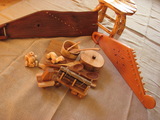 |
Guntis Niedoliņš is a master craftsman, and at this workshop he manufactures wooden jewellery, furniture, interior design objects, spoons, shovels, etc. |
|
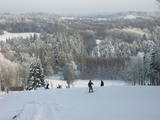 |
Gaiziņkalns Hill is the highest hill in Latvia, and it is a typical example of the hillocks of the Vidzeme highlands. This is a place of wonderful landscapes, even though there are not all that many good viewing areas. At the centre of this park is Gaiziņkalns Hill itself – the highest place in Latvia and the second highest in the Baltic States (311.6 metres above sea level). The viewing tower, alas is not open to the public, because it is in dangerous condition. There is a well-appointed hiking trail around Gaiziņkalns Hill, and during the winter the hill and its surroundings are popular for downhill and cross-country skiing. Lake Viešūrs (Lake Kaķītis) is popular among licensed fishermen. This territory is part of a region of protected landscapes around Vestiena. |
|
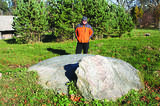 |
The surface of the rock once contained
text about the destruction of local Livs by Swedish King Charles IX and by the Black
Plague (the rock is on a spot where victims of the plague were buried, and the text
has been erased over the course of time). The smallest rock on the top, which also
used to have an inscription, has been brought here from the Pakalni homestead.
|
|
 |
Medinski Vincīši boulder also called Magoņkalns (Poppy hill). Red rapakivi granite boulder is found
in the tree cluster only 40 m to the left of Jaunviļāni – Medinski road and about 40 m from the right side of
the river Malta. The boulder is 6,6 m long, 5,4 m wide and 3,3 m high. The circuit of the boulder is 20 m
and the volume 40 – 45 m3.
|
|
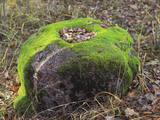 |
Zīleņu Sacrificial Boulder.You will find it on Zelenpole Golden hill beside the escarpment. The boulder
has an annular curvy. It was an ancient Latgalian cult place where people sacrificed to Gods, released themselves
from the bad things and took a positive energy.
|
|
 17 days
|
The tour introduces modern day life in rural Latvia, Estonia and Lithuania and includes visits to small farms raising livestock and producing delicious foods, and to ethnographic villages preserving the traditional lifestyle in a contemporary environment. The tour also involves sites of historical and cultural interest. The tour gives a look beyond the usual tourism sites to get to know the three Baltic states more deeply. It starts in the historic Latvian capital, Riga, followed by the Gauja National Park with its castles, manors and walking trails. Climb the tower of medieval Turaida Castle for amazing views over the valley and visit the ancient jewellery master in the castle of the charming town of Cesis. Across the border in Estonia, walk streets with elegant villas at Parnu sea resort before catching a ferry to Saaremma island. Ethnographic Koguva village, ancient churches and windmills are typical of the island, as is an embroidering tradition. Then it's off to Tallinn with its medieval Old Town and to the rocky landscapes of Lahemaa National Park with fishing villages and manors. Try Estonian national dishes at the pub in Altja. Driving back, stop at the university town of Tartu. In Latvia again, visit goat farms and a traditional black bread bakery. Then the tour heads towards the west coast with the cities of Liepaja and, across the border in Lithunaia, Klaipeda. Next is the incredible Curonian Spit. Before Vilnius, take a detour to Grutas Park with its bizarre Soviet statuary. Finish the journey at picturesque Trakai Castle in Lithuania and Rundale Palace in Latvia. |
|
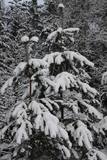 |
This is a small area with lots of different terrains – high hillocks, distinct river valleys, thermal streams, continental dunes, etc.
|
|
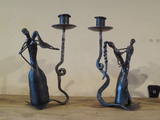 |
The smithy produces fencing, gates, wind gauges, chandeliers, household products and souvenirs. The craftsman will be happy to tell you about his work and to demonstrate his skills. |
|
 |
A farm engaged in the cultivation and processing of large cranberries. Offers berries, cranberry juice, syrup. On Fridays at Dundaga market from From 7:00 to 11:00 it is also possible to buy products. |
|
 |
The area is in the centre of the Teirumnīki swamp, alongside a lake of the same name. There is a wooden footpath that crosses the swamp (800 metres). This is an excellent opportunity to study a high swamp, a swamp lake, and the surrounding environment.
|
|
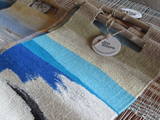 |
The artist’s workshop is in a lovely single family farm. She weaves tapestries, allows visitors to watch her at work, accepts commissions for tapestries, and sells finished ones. Many of her artworks are practical souvenirs or could be fine gifts for others. |
|
 |
The bar is in Tirgus Square in the historical centre of Dobele, offering Latvian cuisine and Tērvete beer, which is brewed from Latvian ingredients. A summer terrace is open during the season. Latvian cuisine: Cold soup, grey peas with bacon, Tērvete steak haché, Tērvete leg of pork. Special foods: Tērvete cheesecake. |
|


