
| No | Name | Description |
|---|---|---|
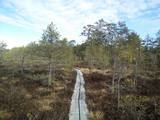 |
Here you can cross a swamp without getting your feet wet and enjoy the local environment, which has been little touched by humankind. You can take the dam of the former Smiltene-Valmiera-Ainaži narrow gauge railroad. It crosses the swamp from the South-East to the North-West and is three to four km in length. There is also a circular wooden pathway on the eastern side of the dam. The length of the trail (including the dam) is around 5km, and it will take 90 minutes to two hours to traverse. The area is covered by environmental restrictions.
|
|
 |
The saloon is on the edge of the Murjāņi-Valka road (A3) and is easily recognised because of the building and various fairy tale characters in the yard. Latvian cuisine: Cold soups (beet, bean, sauerkraut, sorrel), roast leg of pork, blood sausage, pork ribs, berry dessert with toasted oats, stacked rye bread. Special foods: “Fiery Soup of the Ragana Kitchen”. |
|
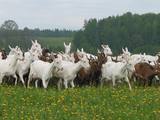 |
This is one of the largest goat farms in Latvia, with approximately 160 pedigree goats (Alp, Anglo, German White Noble and other breeds), as well as pigs for breeding purposes. You can take a tour and help in herding the goats. Kid goats can be seen in the spring. You can taste various kinds of cheese, ice-cream made from goat milk and watch how the goats are milked (around 5:00 PM every day). You can also taste and purchase canned meat. No preservatives are ever added to the farm’s products. |
|
 |
Restorāns "Višta puode" piedāvā dažādus gardus ēdienus, tostarp arī lietuviešu tradicionālos ēdienus. Restorāna telpas iespējams rezervēt dažādiem pasākumiem. |
|
 |
The owner of this farm produces ecological vegetables, fruits and berries, and two protected breeds of cows. She chairs a club for lovers of horses and breeds local breeds of horses. The owner has a horse breeding museum with more than 1,000 exhibits. She also organises various celebrations for the Assumption of Mary festival, etc. |
|
 |
Krustceļi Old-Believers Prayer House was built in 1939.
|
|
 6 days
|
Many farms in Latvia and Lithuania grow their own produce, offer culinary masterpieces and develop traditional recipes to the best degree. Because of limited output, these delicacies seldom are found in supermarkets, and that is why we have organised this gourmand tour for those who enjoy new tastes. You will start your tour in Vilnius and then travel to Trakai, where the local ethnographic museum will offer local dishes from the Karaite ethnic minority. A look at Lithuanian farm life from the 18th to the 20th century will be available at the Rumšiškes Ethnographic Museum. After travelling through Kaunas, you will visit a honey farm that offers honey and wax candles, as well as tastings of honey beer. The Pakruojo Dvaras estate is a place where you will feel like a nobleman from the 19th century and enjoy a real banquet at the estate's restaurant. Further along, you will visit Cross Hill, which has countless crosses that have been planted there by people who express their Christian fervour in that way. Next you will visit an alpaca farm where you will be able to pet, feed and take photographs with these unusual animals. The day will end at a farm that will serve traditional Lithuanian foods for dinner. When you arrive in Latvia, the first destination will be a farm that produces seven kinds of cheeses. Along the way you will find the Tērvete Ancient History Museum and the Tērvete Nature Park. After the tour, you will enjoy a fine meal at a countryside saloon. A bakery near Svēte offers tasty cookies and pastries. After a stroll through the town of Jelgava, you will visit the Caunītes farm, where you will learn how to bake bread and bake your own loaf to take along. Along the way to Rīga, visit "Garlic World." Latvian garlic has a particularly strong aroma and taste, and the lady of the house prepares many unusual dishes with garlic. |
|
|
|
At the Žīguri Parish kindergarten, guests are offers a guided tour of forest life. The owner’s stories about the forest and its residents will be of interest to everyone. The Anna Āze Forestry Museum offers some of the true treasures of Latvia’s surprising forest world. It has been declared the best destination for families in Latvia.
|
|
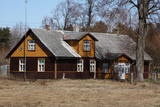 |
This set of buildings represents a homestead for a fisherman and a farmer. The house was built in 1926, and the ancillary buildings all date back to the first half of the 20th century. The homestead can be seen from the road. |
|
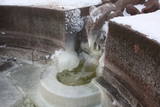 |
Built in the turn of the19th to 20th century. Next to it-on the right bank of the river Vēršupīte, there is located one of the most popular Latvian sulphur water springs, called "Small lizard". The spring runs out from a stone-designed lizard sculptured in 1949 (Sculptor J. Bajārs). Its water is healthy for using both internally and externally. Not far from the pavilion there can be found Jānis Lībietis alley sign. J. Lībietis worked in the position of a director for the sulphur water spring authority of Kemeri from 1928 to 1944. |
|
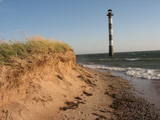 |
Harilaidas galā no jūras ūdens paceļas 26 m augstā Kīpsāres bāka – viena no neparastākajām Igaunijas bākām. Tā celta 1933. g., kad jūra no bākas atradās ~ 100 m attālumā. Krastu noskalošanas rezultātā tā tagad ir viļņu ieskauta. |
|
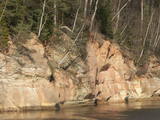 |
Boaters along the Gauja will see the Velnala cliffs, which are the last mighty wall along the banks of the Gauja River valley – approximately 15 m high. From the opposite shore of the river, where there are leisure facilities, once can spot the Krimulda Devil’s cave, which is in the centre of the cliff, is some 19 m deep, and is 4.7 m high. There were once wooden structures which allowed people to visit the cave, but that stopped in 1980 for safety reasons. If you head toward Turaida along the lower part of the basic Gauja River shoreline from the Velnala cliffs, then, particularly when the trees are bare, you will see the mighty sandstone Piķene cliff. At its foot is the Piķene beaver trail, which is approximately 1 km long. On quiet evenings, you may well spot a beaver at work. Along the path you will see the Small Devil’s cave (5 m deep) with the Wisdom Stream that flows out of it. The Aunapiere cave is almost as deep. Between the cliff and the Gauja are several small rivulets which are of enormous importance in preserving the diversity of the surrounding environment. |
|
 |
Võrumaa’s first small beer brewery produces a delicious beer that has specially conquered the hearts of the people of Southern Estonia. Every now and then we are also preparing Yevgeny water. |
|
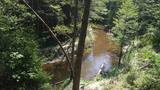 |
Nature trail "Curves of Riva" starts at Ulmale-Labraga Lutheran Church and continues 3 kilometres down the picturesque downstream of river Riva. Rīva here flows in a canyon-type ravine which reaches 12 meter rise at some points. The trail reveals countless river twists and turns and steep coastal cliffs. The trail is partly accessible with an assistant and is marked with green paint. |
|
 |
Auces novads miniatūrā izveidots ar Auces novada nozīmīgākajiem un atpazīstamākajiem objektiem miniatūrā, kuri apdzīvoti ar mājdzīvniekiem. Iespēja Auces novada iedzīvotājiem un viesiem izveidot saikni ar dabu un vienlaicīgi iepazīt Auces novadu. Mazajiem apmeklētājiem izglītojoša saikne ar dzīvniekiem, iespēja tos pabarot ar saimnieku sarūpētajām veltēm. Veicināta Auces novada atpazīstamība caur miniatūriem objektiem. Tiek piedāvāta ekskursija, kuras laikā iespējams apskatīt 4 saimniecības: Zemnieku saimniecību ‘’Skabargas”, Lauku sētu ‘’Krastiņos’’, saimniecību ‘’Andulaiši’ un Lauku sētu ‘’Baltiņi’’. Ekskursija notiek gida pavadībā. Tiek gaidīti viesi, grupās no 10 cilvēkiem, ar iepriekšēju pieteikšanos. |
|
 |
The brewery is located in Upespils, Suntaži parish, Ogre district. IndieJānis Brewery is one person's foolishness, longing for life and cheerfulness, which is why the owner's main goal when brewing is to create a certain taste, regardless of the cost of the product. Beer can be purchased locally in brewery by prior contact, as well as in pubs - TAKA, Brevings, Zobens un Lemess, Vinilbārs, Alus Muiža, Miezis un kompānija, Valmiermuižas alus vēstniecība. |
|
|
|
Viens no raksturīgiem karsta parādību piemēriem, kur nelielas upītes - strauta ūdeņi pazūd vairākos ūdensrijējos un pēc kāda brīža - iespaidīgās Lauces ielejas krastos iznāk spēcīgu avotu veidā, tālāk ieplūzdami Lauces upē. Šī parādība dinamikā vislabāk ir novērojama pēc lietavām vai pavasaros sniega kušanas laikā un kādu brīdi pēc tam. |
|
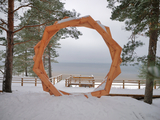 |
A new section of the walking trail along the sea has been built and an environmental object "Sunset watcher" has been created in Saulkrasti near the White Dune and Sunset Trail. It is a photo object where the newlyweds and every guest of Saulkrasti can capture memories in the symbol of the sun, which is so characteristic of Saulkrasti. |
|
 |
Dabas parks, kura lielāko daļu aizņem neprastās formas un līčiem bagātais Cārmaņa (arī Cārmins) ezers. Ezera ūdens ir ļoti tīrs, tādēļ tajā sastopamas Latvijai retas augu sabiedrības. Tā kā parka teritorijā nav tūristiem veidota infrastruktūra, interesenti var baudīt skatus, kas paveras uz ezera un tā apkārtni no Aulejas – Grāveru ceļa.
|
|
 7 days
|
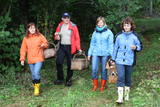
Mushrooming is one of the most popular autumn activities in Latvia. The tour is lead by a professional mycologist and combines the mysterious world of funghi with local historic heritage and mushroom preparation traditions. Mushrooming starts at one the most popular mushroom pickers' sites in the suburbs of Riga. Then it's on to try various locations in the mushrooming paradise of the Gauja National Park, walk nature trail along the Amata river and have a picnic at picturesque outcrop Zvārtes Rock. Further on, the route reaches charming Ungurmuiža Manor park with its ancient oak trees and some specific fungal species. Next the tour visits a shiitake mushroom grower and mysterious Zilaiskalns hill featuring a highland landscape as well as the flatlands of Lake Burtnieks. Zīle Forest is a rare European biotope with ancient oak forest and park type meadows while the natural coniferous forest at Mežole is one of the richest interms of biological diversity. Here you can find mushrooms which are indicators of natural forest. You also visit oyster mushroom growers along the route. Then it's Āraiši reconstructed Bronze Age settlement built on a lake where there are good examples of how mushrooms can damage and destroy man made objects. At one of the guest houses the chef will demonstrate how to cook your collected mushrooms the local way. |
|


