
| No | Name | Description |
|---|---|---|
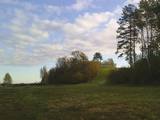 |
Īdeņa Castle mound is located near Lake Lubāns. A beautiful view
to the lake and to the marshy meadows. The place was inhabited from
the 11th century.
|
|
 |
A well-kept farm and garden, rabbits and various poultry - chickens, chicks - can be viewed. |
|
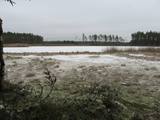 |
This is one of the most impressive and extensive natural structures of its kind in Latvia in terms of appearance and landscape. The ice age left behind this wall-like terrain, which is up to 27 metres high and at the top of which the Rīga-Ērgļi road has been built. The Great Kangari hills offer a view of the Great Kangars lake and the Great Kangari swamps and ponds. The Ķoderi castle hill, also known as the “Big Man’s Bed” is found here. The restricted area was established to protect the structure and its related biotopes and plants.
|
|
 |
The tower offers a look at the historical centre of Limbaži , the castle ruins, and the landscape all the way to Lake Dūņezers. The Limbaži castle was part of Latvia’s earliest fortifications, and its unique gates survive to this very day. Keys to the tower can be found at the museum. This is part of the ZBR. |
|
 |
It is possible to look at African ostriches of different ages; to listen to stories about or of ostriches. It is possible to buy crafts made of ostrich feathers, skin and grease, fresh ostrich eggs. |
|
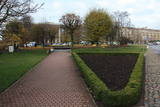 |
Истоки площади Роз уходят в 1911 - 1913 гг., когда на этом месте разбили открытый сад с > 500 кустами роз. В советское время рядом с площадью Роз был установлен памятник Ленину. Восстановленную в 2000 году площадь окружает Лиепайская Педагогическая академия, гостиница «Лива», Центр бизнеса и сделок De Rome (построен в XIX веке, архитектор Пауль Макс Берчи, бывшая гостиница «Рим») и Лиепайский дом латышского общества (камень в основание заложил Карлис Ульманис в 1934 г.). По бордюрам грядок роз размещены памятные знаки городов содружества Лиепаи. К площади Роз подходит улица Зивью (Рыбная), получившая свое название от когда-то существовавшего рыбного рынка. На улице Зивью находится Аллея славы латвийских музыкантов (с 2006 г.), где установлено 35 плит с бронзовым рельефом ладоней музыкантов, 10 плит, посвященные популярным латвийским музыкальным группам, а 5 – ушедшим в мир иной. Здесь же установлена самая большая гитара Латвии. |
|
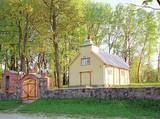 |
St. Michael the Archangel Parish Church of Zosna. The church
was built in 1800 by the donations of local people; it is devoted to Saint Michael. The church is built on the
stone foundation and panelled with boards. It has a small square tower that was restored in 1994.
|
|
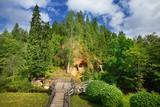 |
Klinšu smilšakmens ieži veidojušies, ūdens straumēm sanesot smilšainas, mālainas iežu daļiņas. Tās lēnām nogulsnējās un sablīvējās, topot par vareniem dabas veidojumiem! Līgatnes pagrabu alas savām rokām radījuši senie iedzīvotāji. Šī neparastā vieta ļāvusi daudzām paaudzēm izdzīvot, jo alās bija iespēja uzglabāt nepieciešamās pārtikas rezerves. Alām ir nemainīga temperatūra, kas padara tās par drošu pārtikas produktu un dzērienu glabātuvi. |
|
 |
The Juniper, a symbol of the island of Saaremaa, is also a valuable syrup. Guests will find out a lot about junipers. From spring to autumn you can enjoy the splendour of the garden, as well as look inside the ancient peasant's house. |
|
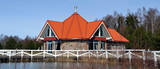 |
Pirts noma, izmitināšana, ēdināšana, banketu zāles noma, internets, makšķerēšana, volejbola laukums. |
|
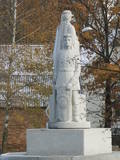 |
Dobele name in historical sources for the first time is mentioned in1254. Dobele was one of the most fortified Semigallian places; therefore from 1279 until 1289 it survived six attacks by German crusaders. In 1289 Semigallians was forced to retreat. In 1335 conquerors instead of Semigallian castle began construction of new - stone castle. On the opposite shore of Berze - on the left bank merchants and craftsmen village began to form. Town suffered greatly during the Northern War and during the subsequent plague. A significant event in the economic life was the 1927, when Liepaja-Gludas railway line was built. After World War II in Dobele and its vicinity came to the Soviet militaries, who built one of the largest Soviet tanks range "Dobele-2". Now Dobele travellers are offered a range of interesting sites to be visited. |
|
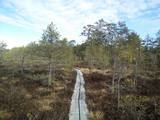 |
Here you can cross a swamp without getting your feet wet and enjoy the local environment, which has been little touched by humankind. You can take the dam of the former Smiltene-Valmiera-Ainaži narrow gauge railroad. It crosses the swamp from the South-East to the North-West and is three to four km in length. There is also a circular wooden pathway on the eastern side of the dam. The length of the trail (including the dam) is around 5km, and it will take 90 minutes to two hours to traverse. The area is covered by environmental restrictions.
|
|
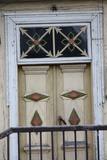 |
Ein schönes Holzhaus (Baznīcas ielā 7), gebaut 1670 an der sogenannten Venedig-Brücke in Kuldīga über den Fluss Alekšupīte. Auf dem Dach des Hauses befindet sich eine der ältesten und schönsten Windfahnen der Stadt. |
|
 |
Reta galda vīnogu kolekcija un degustācija, ainaviska dārza apskate un stāstījums par ķirbjaugu, čilli un tomātu šķirņu kolekciju. Kolekcijā ir 120 šķirņu tomātu, 20 šķirņu paprikas un aso piparu, 140 šķirņu ķirbjaugu. Degustācijas galds - sukādes, čilli, interesanti ievārījumi un pašu fermentētas tējas. |
|
 |
Viena no pirmajām bioloģiskajām saimniecībām valstī. Pamatnozare - dārzeņkopība. 33 ha platībā tiek audzētas sojas pupiņas, cietes un pārtikas kartupeļi, burkāni, galda bietes un citi dārzeņi, kā arī griķi un sinepes. Uzsākta eļļas auga Idra audzēšana. Saimniecībā pamazām pāriet uz pākšaugu audzēšanu, izmantojot moderno tehniku. Iespēja iesaistīties visdažādākajos lauku darbos: sulu spiešanā, pupiņu šķirošanā un našķu gatavošanā. Iespēja apmīļot tādus mājdzīvniekus kā trušus, kazas u.c. Bioloģisko produktu iegāde. Vizināšanās ar laivu un makšķerēšana piemājas dīķī vai ezerā. Nakšņošanai viesiem tiek piedāvāta vieta teltīm pie Adulienas ezera. Iespējama nakšņošana svaigi pļautā sienā siena šķūnī vai siena gubā. |
|
 |
This is a single-family farm, and visitors are welcome to tour it and see white peacocks, pheasants, ducks, chickens, French cattle and white genetic fund pigs from Lithuania. |
|
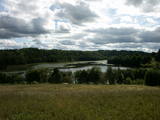 |
Ilziņš jeb Vestienas dzirnavezers pazīstams ar nostāstiem par tajā "periodiski uzpeldošām kūdras salām". Saskaņā ar vietējo iedzīvotāju sniegtajām ziņām, minētā parādība gan sen jau vairs nav novērota. Tajā pat laikā ezers un tā apkārtne ir nozīmīga daudzu aizsargājamu biotopu un sugu dzīves vieta. Ezers ietilpst Vestienas aizsargājamo ainavu apvidū. Ezeru var redzēt, braucot pa Ērgļu - Gaiziņkalna ceļu. Var pakāpties arī blakus esošajā paugurā (ziemeļos no minētā ceļa un ezera), no kura paveras plašāka skatu perspektīva.
|
|
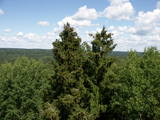 |
The recently renovated viewing tower offers a wonderful view of the impressive and forested ancient Gauja River valley. The Gūdu cliffs are visible. This is part of the Līgatne nature trails territory, where there are wide paddocks of wild animals.
|
|
 |
Smarde is an ancient place, mentioned in the 13th century documents. Today it is a small village with railway station and shops. Northeast of Smārde - former peat extraction places are located in Smārde marsh. During World War I the front line was near Smārde, the vicinity of which is witnessed by the memorial sites. |
|
 14 days
|
A panoramic tour of Lithuania and Latvia with highlights of nature experiences in the National parks and nature reserves. A variety of landscapes, nature attraction sites, birds and wild animals, forests and seashore. The tour also offers some cultural and historical insights. Baltic States are lucky to have plenty of untouched natural territories. During the Cambrian, Silurian and Devonian eras, the territory of the current Baltic States was often covered by seawater, which is why there are places where lots of geological evidence can be found about these periods in history. These are manifested not just in fossils and various geological objects, but also in the unique landscape. For example, The Gauja River basin is an outstanding locations for Devonian cliffs and caves. Other interesting elements of the terrain relate to the development of the Baltic Sea in the past – the Baltic Ice Sea and the Littorine Sea. That is well presented at he landscape of hillocks and valleys in the Slītere National Park. Many forests and bogs have remained virtually untouched as biotopes here. The Ķemeri, Slītere national parks were all established to protect wetlands. Rivers in the Baltic States have not been straightened and dense areas of buildings are not common. There are two “lands of lakes” in the Baltic States – Latgale and Augštaitija. The Baltic States are at the crossroads of the living areas of many different plants and animals, and that is why “northern,” “southern,” “western” and “eastern” species can all be found here. Some national parks have been established to protect distinctive local cultural heritage. |
|


