
| No | Name | Description |
|---|---|---|
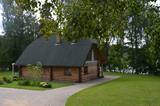 |
The holiday houses are located near Lake Ieva, 30 m from the lake shore. On the 1st floor of the holiday house - lounge with fireplace and glazed veranda, sauna (50.00 EUR / evening), small kitchenette, toilet. Outside-small terrace overlooking the lake. On the 2nd floor there are 2 isolated rooms and 10 beds. By the lake - a fireplace, a well-groomed swimming area with a footbridge. Boats and catamarans can be rented. |
|
 |
Saimniecība audzē dažādus dārzeņus, lapu salātus, gurķus, dilles, ķiplokus, brokoļus, ziedkāpostus, sīpolus, ķirbjus, bietes utml. Vasarā un rudenī pieejamas avenes. Pārdošanā svaigi dārzeņi un augļi. |
|
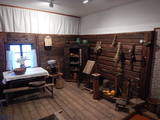 |
has a permanent exhibition that features a Suiti living room and kitchen and liturgical apparel worn by Catholic priests. In the exhibition hall there are changing exhibitions related to the history and present of the Suiti Women ethnographic ensemble. A special offer involves performances by Suiti women, Suiti men and Suiti bagpipe players. Also in the building are the Alsunga Tourism Information Centre, as well as ceramics and weaving workshops. Contact the museum in advance to arrange for performances and master's classes. |
|
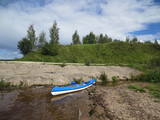 |
This is an ancient and important place for trade and craftsmanship on the left shore of the Rīga hydroelectric power plant reservoir. It rises some 15 m above the Daugava River. The Zemgale port that is described in historical documents is thought to have been located alongside the castle hill and at the mouth of the little Varžupīte stream. Antiquities that have been dug up here suggest that the castle hill and its adjoining ancient settlement were populated until the late 12th century, when the importance of Daugmale began to shrink because of rapidly growing Rīga. The foundations of the castle hill have been shored up. |
|
 |
The "Magdalena" café is in the centre of Saldus. Latvian cuisine: Sauerkraut, dumpling, beet, sorrel and cold kefir soup, potato pancakes, crepes, sautéed pork ribs, homemade steak haché, farmers’ treats, oatmeal cream, stacked oatmeal or rye bread. |
|
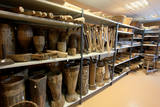 |
Ethnographic and household storage in Sarkaņi offers craft tools collection, furniture and household collection, 19th and the end of the 20th century living room furnishings, and the exhibition dedicated to Madona countrymen. (Source: Madona TIC) |
|
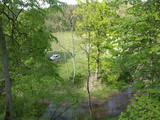 |
The viewing area is near the top of the Vilce castle hill, with a view of the Rukūze River valley, Zaķi meadow, and surrounding forests. This is an unusual landscape for the region of Zemgale. The Vilce baronial estate is nearby.
|
|
 |
Atrodas vēsturiskā rātslaukuma dienvidu malā. Jaunā rātsnama celtniecība (itāļu renesanses stilā, arhitekts O. Dīce) tika pabeigta 1860. gadā. Iespaidīgo celtni, kas nulle kā atjaunota, ir vērts apskatīt gan no āra, gan iekšpuses. Ir restaurēts rātsnama pulkstenis, ārējā fasāde, iekšējie interjeri un Lielā zāle. |
|
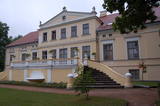 |
The residential building of the manor house was built in the 19th century. In 1932, so neglected manor house was bought by the Latvian press king A. Benjamiņš. Nowadays, the manor house is owned by the Benjamiņi family again and there is located a photo exposition of the private life and travels of A. Benjamiņš. |
|
 |
The ship "Baltā Kaza" transports tourists along the Daugava and also acts as a ferry from Jaunjelgava to Skriveri. In the summer season it runs at regular times. Excursions and trips to the Love Island, Aizkraukle castle ruins, Ķegums HPP, etc. are also possible. Other routes are possible. 25 passenger seats. During the trips you can get acquainted with the narration of cultural-historical, historical and biological objects on both banks of the Daugava. The owner organizes events and concerts both on the Daugava and on the bank of the Daugava. Possibility to rent SUP boards, rowing and canoe boats, catamarans at the berth. |
|
 1 day
|
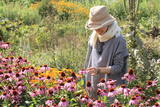
The distance from Riga to Tallinn is more than 300 km and it takes approx. 5 hours by bus. Therefore we suggest stopping on the way for a brief excursion to a herb farm and lunch in a country pub. This stopover is approx. 1.5 hours’ drive from Riga, just at that point when one needs to stretch one’s legs and enjoy a change of scene. The visit will give an insight in rural life and it may surprise visitors to learn how well Latvians understand nature, knowing and using herbs for food, health and beauty. After the excursion, the group will have lunch in a country pub serving meals made from locally grown ingredients. |
|
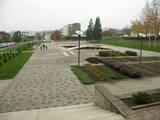 |
Madona is probably the only town in Latvia, in whose area a lake settlement was located around the 9th century. Its residues are preserved in the northern part of Salas Lake (Baznicezers) under water. Until the end of 19th century, a small estate with the same name (Madona) was located in place, where present town is located, Latvians called the place Bizi. In 1898 construction of narrow gauge railway between Stukmani (Plavinas) and Valka was started. The development of railway helped the development of the town. Today Madona is well maintained Vidzeme town with its own charm typical for small town. Interestingly that it can also be considered as one of the most highly placed towns in relief of Latvia. |
|
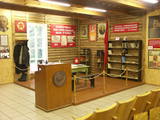 |
Das einzige Museum solches Maßstabs unter freiem Himmel im Baltikum. Gegründet in 1999. Die Ausstellungsobjekte einbezogen die monumentalen Denkmäler spiegeln die sowjetische Ideologie wieder. Ein Minizoo. |
|
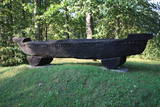 |
3 km to the south of the centre of Jūrkalne, near the old (gravelled) road between Liepāja and Jūrkalne, is the place where the three-year Feliksberga Maritime School existed between 1871 and 1902. The building is long gone, and the memorial has involves an oaken boat with two wooden poles on which old ownership signs have been engraved. |
|
 |
Rukši ir bioloģiskā saimniecība, kura audzē HEREFORD šķirnes liellopus, bariņu blējošas aitas ,vistas. Ar ambiciozu skatienu nakotnē par iespējām nodrošināt ar kvalitatīvu liellopu gaļu visus izsalkušos. |
|
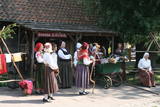 |
2003.gada decembrī folkloras kopa „Atštaukas” izveidoja folkloras centru „Namīns”, kurā svin svētkus, organizē Jāņu ielīgošanu, Lieldienu iešūpošanu, Miķeļdienas tirgu, Annas dienas Saimnieču svētkus, tautiskos Ziemassvētkus. „Atštaukas” palīdz saglabāt un popularizēt dažādus latviešu tautas godību rituālus, gan kāzu, gan arī bēru tradīcijas. Folkloras centrā „Namīns” darbojas arī skola, kurā bērniem tiek mācīta folklora un tautas tradīcijas. |
|
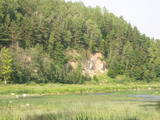 |
One of the most beautiful areas along the Venta River and its tributary, the Šķērvelis River. The river valleys and gullies along them are quite deep, and dolomite and sandstone cliffs can be spotted here and there. There are also rapids on the river. The largest cliffs in Kurzeme – the Ātraiskalns and Gobdziņi cliffs – can be seen on the banks of the Venta. The Lēni Catholic Church is near the restricted area. There are no tourist elements in the restricted territory at this time. The Venta is a popular destination for water tourists, however, from Nīgrande to Kuldīga. |
|
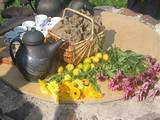 |
The Kurmīši farm grows medicinal plants in an ecologically pure and lovely nature park, "Curves of Daugava," which is part of the protected landscape area "Augšdaugava." Since 1994, the farm has produced approximately 40 types of medicinal plants so as to ensure the preservation of the farm. Enthusiasts and tourists can learn all about medicinal plants and how they are prepared. After the tour, you can taste and purchase Kurmīši herbal teas, which taste the best if you add honey from local beekeeping operations. Candles made of beeswax offer a special atmosphere. The farm has areas for relaxation and a facility where the candles are made. You can purchase a wide range of wax souvenirs and tour the beekeeping facility. The owner also offers guided tours of the arm. |
|
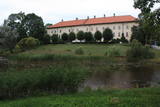 |
One of the largest castles in Kurzeme, this building has been preserved in fairly good shape. Work on its began in the mid-13th century, and it was commissioned by the heads of the Dome Cathedral in Rīga. In 1434, the estate was bought by the bishop of Kurzeme. The Maidel and Osten-Sacken dynasties owned it from the 16th to the 20th century. The Dundaga Castle burned down twice and has been rebuilt many times. The last reconstruction was in 1905, after the castle was burned down during the revolution. Of interest on both sides of the castle’s door are stone carvings of a knight and a bishop. In recent years, the hotel in the castle has been renovated, as has the second floor hallway and a terrace that is popular for weddings. There are many legends about the castle, including one about a wedding of elves and another about the Green Lady. Today the building houses the Dundaga School of Music and Art, a hotel, party rooms, the Dundaga Tourism Information Centre and various exhibitions. It is worth finding a guide to tour the castle. Groups of tourists can also order tastings of local foods. |
|
 |
Café Roomassaare is located near Kuressaare, providing a picturesque view of the Roomassaare yacht pier. In the summer season, the café mostly prepares dishes from local products, offering both locals and tourists a simple and clean combination of local flavours. A lot of fish as well! |
|


