
| No | Name | Description |
|---|---|---|
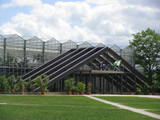 |
The National Botanical Garden in Salaspils ranks as the largest botanical garden in Latvia and in the Baltics with a territory of 136 hectares. The National botanical garden collection consists of about 14 thousand different varieties. More than 5,000 plants are found in the arboretum, as well as various other exhibitions, such as orchards, rosaries, ornamental plants. Botanical Gardens can inspire you to uprade your own garden assortment with new plant varieties and offers the experience of learning about botanical knowledge in nature. In addition, it presents opportunity to expand your personal photo archive with an exclusive background photographs and close-ups. There is a playground for children, comfortable cycling paths, nordic walking paths, picnic possibilities. |
|
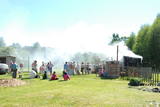 |
Visitors can help to smoke fish, including plaice, bream and garfish, taste the resulting food and listen to stories about seashore fishing traditions. The homestead also features some 20 type of shoreline fencing that are typical of the so-called Liv Shore. |
|
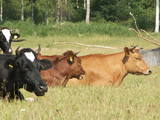 |
The farm grows peas, grits and beans, and it breeds cattle. Visitors can take a tour to learn about biodynamic agricultural techniques. |
|
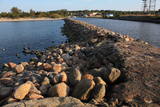 |
Molu (sākotnēji – pāļu rindas ar akmeņu krāvumiem) izbūve pie Sakas ietekas jūrā tika uzsākta 1878. gadā, lai nodrošinātu ostas darbību. 1929. gadā notiek molu pārbūve, pagarinot tos ar masīviem betona blokiem. Pēdējā rekonstrukcija notika 2010. gadā, pārveidojot molus par ērtu pastaigu un makšķerēšanas vietu, no kuras var vērot arī saulrietu. |
|
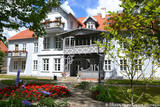 |
The Šilute Estate is often described on the basis of its last owner, Hugo Scheu, who bought the estate in 1889. He restored the estate's buildings and territory, also installing two parks, one for the estate, and the other one known as the "raven forest." Alongside the estate is an English-type park with strolling trails. The park is used by local residents and is on both sides of the curvy Scheu River, with the banks connected by pedestrian bridges. He park stretches to an old railroad bridge and has approximately 150 types of plants, including 40 types of trees and shrubs. |
|
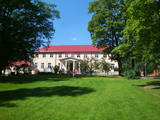 |
Sēļu muiža, par kuru pirmās ziņas saistāmas ar 1561. gadu, ar seno ēku kompleksu un ainavu parku mūsdienās vēl joprojām darbojas kā pagasta administratīvais un kultūras centrs, kur tiek organizēti arī atpūtas un saviesīgi pasākumi. Neskatoties uz to, ka muiža vairākkārt ir tikusi pārbūvēta, tās senatnīgums ir vēl saglabājies. Sēļu pagasta Tautas nams piedāvā bezmaksas ekskursijas Sēļu muižas kompleksā un divas meistardarbnīcas: ādas apstrādes meistardarbnīca pie Benitas Audzes un kokapstrāde un galdniecība pie Uģa Vītiņa. |
|
 3 days
|
This is the most challenging Forest Trail section, especially on the second day. Here, on the coast of the Gulf of Finland, rises the North-Estonian Klint – a steep, rocky and forest-covered cliff that stretches non-continuously to Tallinn and further to the islands of West-Estonia. The Forest Trail runs on top of the cliff and occasionally descends into valleys. It crosses the deep and vast Pühajõgi valley in Toila-Oru park and comes to Toila, a popular coastal resort. One of the most unusual sections of the Forest Trail in Northern Estonia, which leads along the foot of the impressive North-Estonian Klint in good weather, then climbs to the top of the klint in the villages of Valaste and Saka, revealing breathtaking views of the Gulf of Finland. |
|
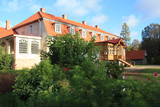 |
The oldest elements of the Oleri Estate date back to the 17th century. Initially there was a wooden mansion with an ancillary building. The new centre was built in the late 18th century in the style of Early Classicism. After agrarian reforms, the mansion housed an elementary school, and during the Soviet occupation and until the 1970s it was a school for children with mental disorders. The mansion suffered in a fire in 2000, after which it was restored. A local organisation was of great importance in this regard. The mansion is known for its Classicist paintings, with a unique “Painting Gallery.” The mansion is surrounded by a lovely park. The Oleri Estate is known for hosting chamber music concerts. The local Oleri swamp has a wooden pathway and a little viewing tower. |
|
 |
This is a traditional crafts centre that maintains ceramicist traditions, organises annual creative camps for children, offers exhibitions of ceramics and organises educational programmes about traditional festivals. |
|
 8 days
|
The tour from Rīga to Tallinn combines natural and cultural heritage and includes lovely landscapes and 15 nature trails which cross marshlands, meadows and forests along the shores of the Baltic Sea, including several protected nature reserves. Many trails are equipped with viewing towers for birdwatching. Randu meadows near Ainaži contains one third of Latvia’s entire plant species. A boardwalk leads through reeds to a viewing platform with views over the meadow and the sea. Saaremaa island is interesting with very different natural attractions to the mainland - dolomite cliffs, juniper heaths, a meteorite lake and rocky sea shore. The tour passes rural farms and traditional villages typical of the coastal areas. Hiiumaa island is a laid back place and retains a very Estonian atmosphere with an important bird reserve at Käina Bay, unusual Sääre Tirp as well as several small islets off its south-eastern coast. Back on the mainland, Paldiski peninsula gives a glimpse of the recent history with its former Soviet military base |
|
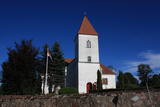 |
Built around 1625. For several centuries it was the main worship place for the Suiti community, supporting the community's spirituality and identity. In 1882 the church was expanded into the form of a cross that is seen today. Inside the church you can see work done by the Dutch wood carver Johann Mertens around 1715. The organ was built by F. Weisenborn in Jēkabpils in 1893, and the altar painting dates back to 1910. The bricked graveyard of the Schwerin dynasty is under the church. Contact it in advance if you wish to see its interior. |
|
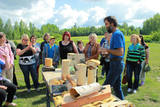 |
Tāšu meistars Jurijs Ivanovs ar lielu centību un degsmi pēc seniem paraugiem cenšas atjaunot labākās Zilupes novada tāšu apstrādes tradīcijas. Top novadam raksturīgi autentiski tāšu trauki ķiploku, putraimu, saldumu, sāls uzglabāšanai, paliktnīši kafijas krūzei vai pannai. Īsts meistarstiķis ir darbarīku rokturu izgatavošana. Darbnīcā varēsiet izgatavot tāšu glezniņu, tāšu tauri, uzrakstīt īpašu vēstuli kādam ļoti mīļam cilvēkam. |
|
 |
This reserve dates back to Lake Ancilus, which was one of the original elements of what is now the Baltic Sea. The lake’s ancient shores feature wetlands, forests and flora which are all protected by the reserve.
|
|
 13 days
|
This cycling route will take you from Riga along the West coast of the Baltic Sea of Latvia and Lithuania. On the way the route passes the sea resort Jurmala with 19th century wooden archicture, the picturesque Abava river valley, geologicaly interesting steep banks of Jūrkalne, historically exiting city of Liepaja with great ambience and charming Kuldiga with the widest waterfall in Europe. In Lithuania the route goes through Palanga where Amber Museum is located and culminates at the National Park of the Curonian Spit with 60m high sand dune. |
|
 |
Nīcas siera ražotne atrodas zemnieku saimniecībā “Birzmaļi”, kas ir viena no lielākajām piena ražotājām Lejaskurzemē. Ideja par amatniecības siera ražošanu radās 2017. gadā, un tā tika īstenota, ar LEADER programmas atbalstu izveidojot ražotni. Ikkatrs siera ritulis ir siera meistaru roku darbs, veidots ar lielu atbildību un rūpēm par augstāko kvalitāti. SieriSvaigais siers – mocarellas tipa svaigais siers ar dažādām piedevām, piemēram, ķimenēm, baziliku un papriku, kā arī citām rūpīgi piemeklētām garšām. Puscietais siers – gatavots pēc Nīderlandes siera metodes, kas piešķir tam maigāku, nedaudz saldenu garšu un elastīgu tekstūru. Siers tiek nogatavināts no trijiem līdz pat divpadsmit mēnešiem. Cietais siers – recepte balstīta Itālijas siera tradīcijās. Tas izceļas ar izteiktu garšu un raksturu un tiek nogatavināts sešus vai divpadsmit mēnešus, iegūstot bagātīgu un niansētu garšas buķeti. Kā top siersSiers tiek gatavots no nepasterizēta rīta slaukuma govs piena, ko sāk apstrādāt vēl siltu. Šāda pieeja ļauj saglabāt piena dabisko garšu un raksturu, padarot sieru izteiksmīgu, niansētu un dzīvu. Sieru gatavo meistare Dace Vecbaštika, apvienojot tradīcijas ar rūpīgu roku darbu. ApmeklētājiemIkdienā apmeklētājus ražotnē neuzņem, taču siera degustācijas ir iespējamas, iepriekš vienojoties. Nīcas sieru iespējams nogaršot arī kafejnīcā “Dzintariņš” Bernātos, kā arī restorānos “Parka Paviljons” un “Spīķeris 53” Liepājā. Kur iegādāties sierusNīcas sierus iespējams iegādāties tirdzniecības vietās: LATS veikalos Nīcā, siera stendā Liepājas Pētertirgū, mājražotāju veikaliņā “Martas kiosks” Grobiņā, mājražotāju tirdziņos Liepājā, Rožu laukumā, atpūtas kompleksa “Rāmkalni” veikalā. |
|
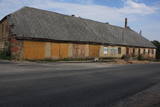 |
Atrodas Sakas un Liepājas ielas krustojumā. Ēka, kas šobrīd atrodas sliktā stāvoklī, celta 19. gs. vidū. |
|
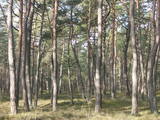 |
Ap 100 gadus veca priežu audze, ko iesēja pagājušā gadsimta sākumā. Sēklu materiāls bija nācis no kādas Vācijas (Darmštatē) sēklu tirdzniecības firmas. Mūsu klimatiskajos apstākļos priežu stumbri izauga līki un kroplīgi. Savdabīgā audze labi redzama no šosejas malas.
|
|
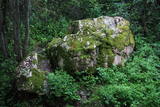 |
Līdz akmenim aizved (ir norādes) skaista taka, kas līkumo pa Rogāļu strauta izrauto gravu. Strauta kreisā krasta nogāzē, ~ 0,1 km pirms tā ietekas Daugavā, iegūlis 6,5 m garais, 4,6 m platais un līdz 3,7 m augstais Rogāļu akmens, kura tilpums ir novērtēts ap 40 m³. Blakus tam atrodas liela atlūza. |
|
 |
Atrodas Tirgoņu un Zāļu ielas krustojumā (Zāļu ielā 12). Interesanta ar faktu, ka šī ir vienīgā padomju laikā uzbūvētā (1948. g., pēc citiem avotiem – šajā gadā atjaunota) Latvijas baznīca. |
|
 |
The pizzeria is situated in Talsi, not far from Talsu lake. Stender’s pizzeria with its nice comfortable setting offers special Stender’s pizzas which are baked according to the old traditions of pizza-making, incorporating the best of nowadays’ recognitions. Undoubtedly, it is impossible to do without pancakes and pots, as well as second-course dishes. Number of seating places:30 |
|


