
| No | Name | Description |
|---|---|---|
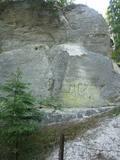 |
The Sietiņiezis cliff is on the right bank of the Gauja River between Valmiera and Jāņmuiža (follow signs along the road). There is a circular nature trail here. Sietiņiezis is one of the largest white sandstone cliffs in Latvia, up to 15 m high and around 500 metres long. There is an interesting diversity in form here, with small caves and niches, erosion-based ravines, as well as sandstone formations which are reminiscent of poles. The word "sietiņš" refers to "sieve," and the cliff is so called because bees have drilled holes into it for time eternal. From the southern part of Sietiņiezis, you can get a good look at the ancient Gauja River valley, and all around it are lovely pine forests. There is a place on the banks of the Gauja which is meant for campfires and meals. |
|
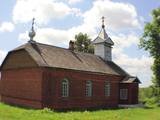 |
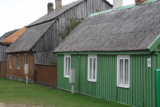
Bоrisovas St. Nikolay Old-Believers Prayer House was built in the period of 1911 – 1921 . The different feature of the Prayer House is a brick building placed on the hill. The bell of the temple was specially
ordered and brought from St. Petersburg. The bell has a very soft sound.
|
|
 |
You can access ÕUNA farm (ÕUNA puhketalu) by Piibe Road, behind the old horse post and pub. Here you can spend the night, have some food and enjoy various entertainment activities. Menu includes only Estonian national foods. |
|
 |
The bakery is on the main pedestrian thoroughfare in town. It uses old recipes to bake wedding cakes and other baked goods. The bakery works with local producers of ingredients. Latvian cuisine: Cold soup, dumpling soup, hazelnut-loganberry and strawberry-rhubarb wedding cakes, pierogi, sheet cakes and other treats. |
|
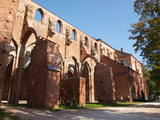 |
Eine der größten Kirchen Osteuropas (bis 16. Jh.) un die einzige mittelalterliche Kirche Estlands mit zwei Türmen. Wurde in 13. – 16. Jh. gebaut, zerstört im Laufe des Livländischen Kriegs. Im Chorteil der Kirche befindet sich das Museum der Universität Taru (früher – eine Bibliothek). Die Türme sind renoviert und in denen sind die Aussichtsplätze eingerichtet. |
|
 |
The “Ieviņa” café and bakery is in the centre of town and near Market Square. It sells cookies, pastries, tortes, carrot buns, pierogi, etc. |
|
 |
Ogu un augļu dārzs, dažādu ievārījumu, sulu, sīrupu ražošana un tirdzniecība.
|
|
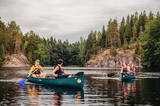 |
Within easy reach of the Finnish capital of Helsinki, visitors can escape into wild natural settings and enjoy typically Finnish scenery, with lovely lakes, green forests and rugged crags. The nearby Finnish Nature Centre Haltia spotlights the best of Finland's natural treasures from across the country. |
|
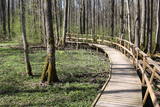 |
The excessively damp forests at this place include the Vēršupīte River bog, and this is one of the most diverse biotopes in Latvia in terms of the number of species that can be found here. The fact that the area is regularly flooded is shown by the fat roots of black alders – indeed, the place looks like a stand of mangroves. The wooden pathway that is the Dumbrāju trail starts at the Forest House for those who wish to examine the bog. The most impressive views are seen during spring floods or rainy seasons at other times of the year. The little river breaks out of its bed and floods a large territory. The Lake Sloka hiking trail is another place where you can study the Vēršupīte bog. The circular trail is 3 km long, and its beginning is at the Lake Sloka bird watching tower. |
|
 1 day
|
Dodieties ekskursijā, lai gūtu ieskatu lauku profesijā un dzīvesveidā, kā arī iegūtu jaunus iespaidus un labu atpūtu visai klasei. Ekskursijas laikā apmeklējiet ekopoligonu, kas ir unikāls piemērs ekoloģiski saderīgu darbības virzienu ieviešanai. Pēc tam apmeklējiet saimniecību, kurā iespējams aplūkot Latvijas tumšgalves aitas, uzzināt par to audzēšanas specifiku, dzīves paradumiem un aitkopības nozari Latvijā, kā arī iespējams aplūkot dažādus putnus - tītarus, zosis, pīles, vistas un pērļu vistas. Saimniecībā atrodas arī observatorija, kur var noklausīties lekciju par zvaigznēm, planētām un citām tēmām. Ekskursijas noslēgumā dodieties uz kokapstrādes darbnīcu, lai meistaru vadībā darbotos ar tradicionālajiem kokapstrādes instrumentiem un apgūtu senās spēles. |
|
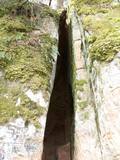 |
The Vējupīte ravine is meant for those who are not afraid of long and steep wooden stairs of the type that lead you up and down the ravine. From the Līvkalns guesthouse, you can climb the stairs downward, where you will find a shallow (3.6 m) but high (6.1 m) cave – the Pēters Cave. It is something of a gap or a niche. Another 10 minutes or so downstream (toward the Gauja) will lead you to the deep Pūces ravine and its Kraukļupīte River. The Satezele castle hill is at the confluence of the two rivers (90 x 75 m). A wooden castle was there during the feudal era in the early 13th century. Its main entrance was on the western side of the castle hill. You can get to the hill from the depths of the ravine via a wooden staircase. The Kraukļi ravine, in turn, is accessible if you climb down the same stairs and continue on your way toward the Gauja. The ravine is found on the left bank of the Vējupīte, and its sandstone walls are up to 11 m high. The Kraukļi cave, which is 5.2 m deep, is on the wall. Another 10-15 minutes (crossing the Vējupīte on a wooden bridge), and you will find another staircase leading you to Paradīze Hill (see the description above). |
|
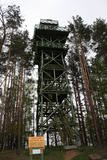 |
Viens no diviem nacionālā parka skatu torņiem, kas atrodas ~ 1,5 km ziemeļos no Ehijerva ezera (Ähijärv). Tornis ir veiksmīgi „nomaskēts” nelielā priežu pudurī, tādēļ tas „nebojā” izcilo dabas un kultūrainavu, kas paveras no tā skatu platformas. Pie autostāvlaukuma ir izveidota labiekārtota atpūtas vieta. |
|
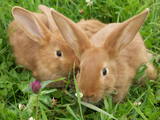 |
This is the most modern rabbit farm in the Baltic States. The animals live in cages in a shed, but there are also cages outside where they can be viewed. Children will love contacts with 24 types of rabbits, as well as an opportunity to study the surrounding area from a viewing tower. If you apply in advance, you can purchase fresh rabbit meat, sausages, dried meats and pâté. A new thing at the farm is the Mangalicas breed of wild pigs from Hungary. |
|
 |
Viens no raksturīgiem karsta parādību piemēriem, kur nelielas upītes - strauta ūdeņi pazūd vairākos ūdensrijējos un pēc kāda brīža - iespaidīgās Lauces ielejas krastos iznāk spēcīgu avotu veidā, tālāk ieplūzdami Lauces upē. Šī parādība dinamikā vislabāk ir novērojama pēc lietavām vai pavasaros sniega kušanas laikā un kādu brīdi pēc tam. |
|
 |
Skaisto un mūsdienās atjaunoto zilā krāsojuma ēku Karaīmu ielas 5 malā sākotnēji (1810. g.) cēla Dominikāņu mūki. Kopš 1864. g. tajā 23 gadus saimniekoja policija, līdz 1887. g. te izvietoja pastu un telegrāfu. Šobrīd ēkā atrodas nacionālā parka administrācija. |
|
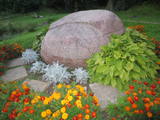 |
Located in the south-eastern part of Piedruja and on the banks of the Daugava River, the rock can be accessed via the local path or a local land road. The rock was sculpted by Vilnis Titāns, who engraved the name of the Daugava River in seven languages – Latvian, Livonian, Estonian, Polish, Russian, German and Finnish. Opposite the rock is Druja, which is in Belarus, as well as a large island that splits the river in two. A temporary permit is needed to visit Piedruja. |
|
 2 days
|
Gauja ir Latvijas populārākā ūdenstūristu upe. Laivotājus šeit vilina skaistie smilšakmens atsegumi, upes mierīgais tecējums, dabas un lielā kultūras pieminekļu daudzveidība. Minētajā posmā upe plūst cauri Gaujas senlejai, kas ir viena no iespaidīgākajām Baltijas reljefa formām. Maršruta tehniski sarežģītākā vieta ir Ķūķu krāces, kur nereti gadās pa kādai apgāztai laivai. Lielākais upes kritums ir posmā no Amatas ietekas līdz Līgatnei, tādēļ daudzi braucēji izvēlas Cēsu – Līgatnes posmu. |
|
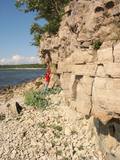 |
Nacionālā parka dienvidrietumdaļā jūrā iestiepjas Eldas pussala – skaists un ļoti omaļš ar kadiķu mežu (alvāriem) noaudzis zemes pleķītis ar interesantu jūras krastu, kur atsedzas silūra perioda nogulumieži. No pussalas gala, kurā slejas vecs Padomju armijas robežsargu tornis (apmeklējumam bīstams!), paveras visaptverošs skats uz Vilsandi salu (atpazīstama pēc bākas), Lonalaidas salu (Loonalaid) – otru lielāko Vilsandi arhipelāgā, Salavu (Salava) un citām mazākām saliņām. Dabas mīļotāji var uzmeklēt Eldas klinti (Elda pank) – ~ 2 m augstu un 0,4 km garu atsegumu, kura piekājē var atrast interesantas ūdens izskalotas fosilijas. |
|
 |
Pavilosta is a comparatively new city that has formed at the mouth of the Saka River in the Baltic Sea. True is the fact that in the medieval times the harbour of sea ships was located 6 km from the sea – at the junction of the Tebra and the Durbe Rivers. Important period in the life of the harbour was during the ruling of Duke Jacob, when sea ships arrived here. As a result of the Polish-Swedish war the Saka harbour had to be closed. The harbour that's visible nowadays in the mouth of the Saka River was formed in the middle of the 19th century at the so called Akagals fishermen village. In 1878 the river mouth was excavated and piers were built. Here two-masted ships were built. The World Wars destroyed the fleet, but the fishery traditions remained alive. In 1991 the populated area acquired the status of a city. Nowadays Pavilsota is a popular target for yachtsmen and windsurfers, as well as summer recreation place. Yachtsmen are awaited at the yacht harbour. |
|
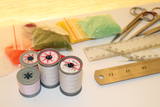 |
Radošajā mājā Latvietes pūrs var apgūt praktiskās iemaņas rokdarbu veidos, kas nepieciesami latviešu tautas tērpu darināšanai – baltie un krāsainie darbi, zīļu vainagu darināšana, adīšana, tamborēšana, tilla izšuvumi, pīto un austo jostu darināšana u.c. Saimniece pati pārzina dažādus rokdarbu veidus un to tehnikas, nepieciešamības gadījumā tiek pieaicināti sava aroda meistari. Ir zināšanas par latviešu tautas tērpa novadu īpatnībām, saimniece labi zina tautas tērpu attīstības vēsturi un pielietojumu
|
|


