
| No | Name | Description |
|---|---|---|
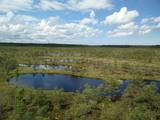 |
This is one of the largest high-type swamps (6,192 ha) in Latvia, with very distinct landscapes of little lakes and hillocks. The Great Ķemeri Heath is of importance as an extensive hydrological system and preserver of the local microclimate. It is also of international importance as a site for birds, as well as a major source of sulphurous water. Along the Kalnciems-Kūdra road, which is on the eastern edge of the swamp (3.4 km from the Rīga-Ventspils highway), there is an information stand with information about the management of the heath and about the role of swamps in nature and in the lives of people. Great Ķemeri Heath wooden pathway trail is now restored and opened for visitors in 2013. |
|
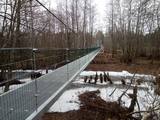 |
The bridge across the Irbe river so that bicyclists and pedestrians can cross the bridge where the former tram tracks were located. |
|
 |
The potter embodies traditional pottery skills. He offers candlesticks and two-prong lighting elements, and he uses milk in his work. You can take a tour, purchase products, and take part in the opening of the kiln. |
|
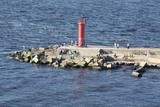 |
The Eastern breakwater was installed in the mid-19th century to reduce silt in the river valley and to regulate the flow of water. It is made of wooden pilings that are covered with rocks. The breakwater is 2.2 km long and has been rejuvenated as a popular place for hiking, leisure and fishing throughout the year. Birds can be watched from the breakwater, and sometimes people are lucky enough to spot a seal. At the start of the breakwater are two rocks with engraved text to say that the site was visited by Russian Tsar Alexander II in 1856 and by his heir, Nikolai Alexandrovich, in 1860. This points to the importance of the Rīga port in terms of Baltic Sea trade routes at that time. |
|
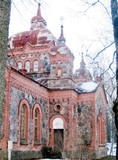 |
Nītaures vēstures takā var apskatīt un iepazīt dažādus vēsturiskus objektus no 13.gadsimta līdz mūsdienām - seno pilskalnu, vācu ordeņa pilsdrupas, luterāņu un pareizticīgo baznīcas, soda vietu un muižas seno apbūvi. |
|
 |
The museum set up in 1982 presents life and activity of the region from the late 19th C to the recent past. Temporary exhibitions are held in the barn and more than 200 species of trees and shrubs can be viewed in the parkland extending over 17 ha. Themed events include baking bread, celebrations of folk holidays are frequently arranged. From the museum visitors can access Velise cultural and natural heritage trail. |
|
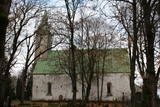 |
Vienīgā baznīca nacionālā parka teritorijā. Tā atrodas Kirblas (Kirbla) ciemā – uz neliela pacēluma, kas Baltijas ledus ezera laikā bijusi sala, kuru no visām pusēm ietvēris ūdens. Kirblas baznīcas pirmsākumi ir meklējami 16. gs. un par tās celtniecību saglabājušies dažādi interesanti nostāsti. Tas ir viens no mazākajiem Igaunijas dievnamiem (29 x 11 m). |
|
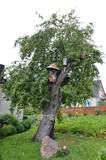 |
The oldest apple tree in Lithuania is a forest apple tree and is part of the country's botanical heritage and the only protected apple tree in Lithuania. |
|
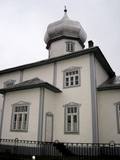 |
A haven for Russian Old Believers. Mustvee village has held fairs for the past two centuries. It is also a traditional fishing town. |
|
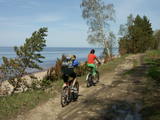 |
The largest NATURA 2000 territory in Latvia covers 6% of the country’s area. It is located in parts of the Limbaži, Valmiera and Valka districts, and it is a place of an enormously diverse range of landscapes, biotopes and species. The Salaca River is one of the most important rivers in the entire Baltic Sea region in terms of spawning grounds for salmon. The river valley and its sandstone cliffs attract many visitors. It is no accident that this is the second most popular river in Vidzeme for water tourism. The shore of the Bay of Rīga, which is not very long, also features a great diversity in landscapes and biotopes. At the northern end, we find the Randu meadows. In the central part there are sandy beaches, but at the southern end – 22 kilometres of rocky shoreline. The so-called Northern swamps are found on the border with Estonia, while the Seda heath is one of the most important places in the region for birds to rest and feed during migration. The reserve also features a diverse forest in which one can find all of the types of forest which are common in Latvia. Nature trails and viewing towers or platforms are found in the Randu meadows, on the banks of Lake Burtnieks, along the Planči and Niedrāji-Pilka swamps, on the banks of Lake Dziļezers and Lake Lielezers, and elsewhere. The Skaņākalns park in Mazsalaca is one of the most popular tourist destinations in Northern Vidzeme. The territory boasts many important cultural monuments, including one of the earliest known settlements in Latvia – a fishing settlement and burial ground which date back to the 5th to the 2nd millennium BC.
|
|
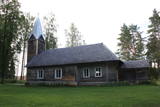 |
The Lode (Apši) Lutheran Church is between Lake Bānūži and Lake Ilze. It is a unique example of wooden architecture and dates back to 1780. The log church had a straw roof until the early 20th century, at which point a shingled roof was installed instead. |
|
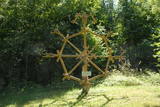 |
Folkloras taka "Jāņkalni" iepazīstina ar mūsu senču rakstiem, zīmēm un dievībām, kas ir mūsu folkloras mantojums. Folkloras takas (garums: apm. 1,5 km vai 2 stundas) mērķis ir arī iepazīstināšana ar senlatviešu ieražām, folkloru, kā arī tautu dainu izprašana. Piedāvā iziet Latvijas karti - labirintu ar 19 etnogrāfiskajiem novadiem. Gids Jums sniegs izsmeļošu stāstījumu un atbildes uz interesējošiem jautājumiem.
|
|
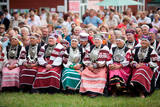 |
Setomaa in South-East Estonia is a unique area for its people (the Seto) and culture. The historic location in the borderland between East and West, straddling two languages and cultures has shaped the local language, life style, clothes and food. A very specific type of singing – leelo – is incorporated in the UNESCO list of Masterpieces of the Oral and Intangible Heritage of Humanity. |
|
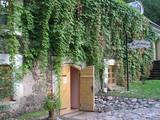 |
The café is situated in a comfortable cellar of a museum commemorating the life of the Latvian author Anna Brigadere. Here you will find a variety of foods and drinks that can satisfy any taste. In the summer, in the yard filled with sunshine, you will be able to relax on the outdoor terrace, listening to the waterflow of the Tervete river, whereas in winter, having enjoyed the snow drifted landscapes, warm up in the cellar, drinking tasty tea. The café organises parties with the good witches of the Tērvete forest, as well as rides in horse-drawn carts or sleds. Latvian cuisine: Pork ribs in honey sauce, pancakes with jam, mushroom sauce. Special foods: “Bear’s paw”. |
|
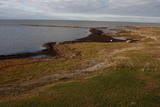 |
Puises ragā (Puise nina) ir uzcelts divstāvīgs atpūtas nams, kas apvienots ar putnu vērošanas torni. No tā paveras skats uz piekrasti, kas ir iecienīta migrējošo zosu atpūtas vieta. Šī ir privāta teritorija, kuras apskati vēlams saskaņot ar īpašnieku. |
|
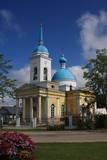 |
In the centre of the Old City, on the corner of Latgales and Baznīcas streets, the church was built in the style of Russian Classicism between 1843 and 1845. The ceiling and wall paintings were recently restored, and the bell in the steeple weighs 1,667 kg. |
|
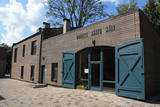 |
The Dobele Crafts House is to the East of Market Square at Baznīcas Street 8 in Dobele. Enthusiasts use it to preserve ancient traditions from the Zemgale region. Workshops to teach crafts are organised here five days a week. |
|
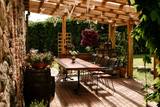 |
Here you can tour a local brewery, ride bikes, enjoy water sports, go fishing in the local river, and taste foods with hops. The guesthouse offers tastings of herbal teas and beer. Learn all about traditions in brewing beer. |
|
 1 day
|
Dodieties ekskursijā, lai gūtu ieskatu lauku profesijā un dzīvesveidā, kā arī iegūtu jaunus iespaidus un labu atpūtu visai klasei. Ekskursijas laikā apmeklējiet cigoriņu kafijas ražotni, kur kafija tiek ražota pēc senām receptēm. Pēc tam dodieties uz piemājas saimniecību, kur saimnieks parādīs govis un piedāvās saldos ķiršus un ābolus no sava dārza. Saukas dabas parka teritorijā, pie Saukas ezera, apmeklējiet lauku māju - kultūrvēsturisko pieminekli, kur, iepriekš piesakot, ir iespējams nobaudīt uz ugunskura vārītu zupu. Visbeidzot - saimniecība, kur plašās teritorijās audzē ābolus, bumbierus, plūmes, ķiršus, zemenes un upenes. Iespēja iegādāties produkciju un piedalīties ražas novākšanā. |
|
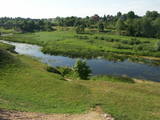 |
The Bauska Nature Park runs for several dozen kilometres along the Lielupe River and its tributaries – the Mūsa and the Mēmele. This is a protected territory. The shores of these rivers contain some of the largest dolomite cliffs in Zemgale. These are protected both as biotopes and as geological monuments. The rivers are important places for river lampreys and vimbas to spawn. Tourists will be attracted by the cultural landscape of the area, as well as the cultural monuments such as the Bauska castle, the Jumpravmuiža park, the Mežotne castle hill, Vīna Hill, the Mežotne castle, etc. The rivers are used for water tourism. |
|


