
| No | Name | Description |
|---|---|---|
 |
One of the buildings of the Kalnmuiža Estate has an oven in which the owner bakes rye bread with seeds, sourdough bread, and bread with dried fruit. Informational tours are available, and you can take part in the baking process. You can taste the bread and buy loaves to take home with you. |
|
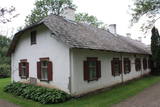 |
Between 1883 and 1891, the estate that was once owned by the Šadurskis family was rented by the father of the great poet Rainis, Krišjānis Pliekšāns. Rainis spent his youth at the estate, as reflected in the poet’s The Land of My Youth Days. Rainis translated Pushkin’s Boris Godunov while at the state. In honour of the poet and his contributions in the world of literature, an exhibition, “Rainis’ High School and University Years,” was opened at the estate in 1964. The restored cattle shed today offers a look at the work of potters in Latgale. |
|
 |
The restaurant is at the seaside and in an ancient Latvian fishing farm with the view of the beach. Live music is performed during the season. Latvian cuisine: Potato salad with sausage, cold soup, grey peas with bacon, blood sausage, boiled pig’s ear, leg of pork with sauerkraut, pork roasted on coals, bull testicles, potted beef. Special foods: Low-salt herring cooked on coals. |
|
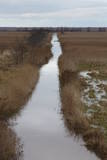 |
Lai nokļūtu līdz šim tornim, ir jāveic apmēram 20 – 30 min ilgs pārgājiens pa dabas taku no Penijē muižas gar Penijegi (Penijõgi) kreiso krastu. Te redzami bebru darbi un to celtās zaru mājas. No torņa paveras skats uz Kazari deltu, kas dabā izpaužas kā monolīts un nepārskatāms niedrājs. To vairākās daļās sadala Kazari un mazāka izmēra upītes. Katrai deltas daļai ir savs vēsturiskais nosaukums: no torņa pa kreisi no Penijegi redzama Lihula meri (Lihulas „jūra”), bet tās labajā pusē - Kloostri meri (Klostri „jūra”). Putnu vērotāji var iziet garāku (7 km) dabas takas loku, kas ved pa palieņu pļavām. Jārēķinās, ka pavasaros būs nepieciešami piemēroti apavi! Pļavas ierobežotās platībās apsaimnieko mājdzīvnieki, tādēļ neaizmirstiet aizvērt vārtiņus aiz sevis un netraucējiet to ikdienas gaitas! No maršruta nav atļauts novirzīties, lai netraucētu putnus. |
|
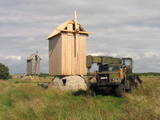 |
Vilsandi nacionālā parka „sirds” un divpadsmitā lielākā Igaunijas sala (garums - 6 km, platums – 2 km). Tā ir ļoti „jauna” sala, kas sākusi veidoties pirms ~ 2000 gadiem zemes garozas celšanās rezultātā, savienojoties divām salām, kas noticis pirms ~ 350 gadiem. Cilvēki salu sāka apdzīvot 18. gs. un to galvenā nodarbe bija zvejniecība, kuģu būve, nelielā apjomā – lauksaimniecība. Līdz 2. pasaules karam te bija ap 200 iedzīvotāju, kuri vēlāk salu bija spiesti pamest PRSR pierobežas režīma zonas dēļ. Nozīmīgu Vilsandi daļu aizņem mežs un kadiķu lauki. To visā garumā šķērso grantēts - zemes ceļš ar atzariem uz jūras krastu. Salu ar kājām var izstaigāt vairāku stundu laikā, iepazīstot vietējo apbūvi (daļa arī mūsdienās celtas ēkas) un Tolli sētu, kur pēc nostāstiem dzīvojis nīderlandiešu jūras braucējs Johans Dolls, kā arī vējdzirnavas. Noteikti ir jāaiziet līdz salas rietumu krastam, kur atrodas Vilsandi bāka un bākas uzrauga saimniecības ēkas. No šejienes ir labi redzamas Vaikas salas. Šodien uz salas pastāvīgi (visa gada garumā) dzīvo tikai trīs cilvēki. |
|
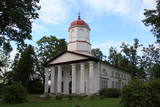 |
Mūsdienās redzamo (pēc skaita – trešo) baznīcu cēla laikā no 1835. - 1837. g. (ampīra stilā) Mārča Sāruma vadībā. Arī šīs ēkas projektēšanā par paraugu bija ņemts Pievolgas vācu baznīcu veidols, tādēļ tā līdzīga Dzērbenes luterāņu baznīcai. Dievnama altāri rotā Otto Donnera fon Rihtera glezna “Kristus debesbraukšana” (1898. g.). E. Martina firmā būvētās 10 reģistru ērģeles (1901. g.) darbojās arī šodien. Pie Drustu baznīcas atrodas 1932. g. atklātais un formās iespaidīgais (E. Kuraua firmas veidots) granīta piemineklis 1. pasaules karā un Latvijas Brīvības cīņās kritušo piemiņai. Nelielā baznīcas sienas nišā novietota piemiņas plāksne komunisma terora upuriem. |
|
 |
This cosy restaurant offers dishes made of Lithuanian ingredients. Enjoy a collection of ancient culinary tools and baking equipment. If you wish to bake your own traditional spit cake, you can take a class to learn how to do that. |
|
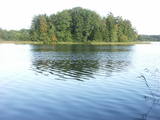 |
This restricted area protects Lake Jumurda, which is in the central part of the Vidzeme highlands, along with its three islands, the local broadleaf forests, and the surrounding landscapes.
|
|
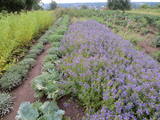 |
The farm is along the upper reaches of the Daugava Ancient River Valley, and it offers more than 100 types of plants, including decorative plants, herbs, medicinal plants and traditional Latvian farm plants. You can tour the largest field of so-called Northern kiwis in Latvia. Take a tour, purchase plants, taste teas, fruits and berries, and receive consultations from the owner. |
|
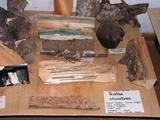 |
The Lejas Kleperi farm straddles the boundary between the Cēsis and Valka Districts. The farm is 119.4 hectares large, with 86.1 hectares of forestland. The farm’s work is centred on forestry. In 1992, a private museum of farming and forestry equipment was set up in one of the residential buildings. The museum’s collection is constantly being updated.
|
|
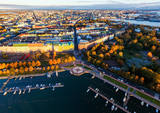 |
Helsinki is the capital of Finland and the biggest city in Finland. It offers a lot to see as it is seaside city surrounded by islands but city itself is full of wonderful parks. This city has everything to attract all kinds of people - from architecture and culture to nature and even has wide range of places where to enjoy night-time Helsinki. |
|
 |
Ziemciešu audzētava „Puķu lauki” ir ģimenes uzņēmums, kurā audzē un piedāvā dekoratīvos stādus. Saimniecība ir specializējusies konkrētu augu grupu audzēšanā. Tās laukos bagātīgi zeļ ziemcietes, graudzāles (zāļveida ziemcietes) un dažādas cirpto bukšu formas. Turklāt, šejienes augu šķirnes ir pielāgotas mūsu klimatiskajiem apstākļiem. Apmeklētāji var izstaigāt skaisti iekopto un ainavisko paraugdārzu, kā arī iegādāties stādus plastmasas konteineros visas sezonas garumā. |
|
 |
You can go fishing in five fish ponds and then dry the fish. The owner prepares hot-smoked trout, dried carps, and fish soup cooked on a campfire. You can also buy chicken eggs. |
|
 |
Pirts rituāli, zāļu tējas, izglītojoša pastaiga dabā, siena viesnīca. |
|
 |
Pilsētas rajons dienvidos no Ventas grīvas, kura mūsdienās redzamā mazstāvu koka apbūve sāka veidoties 19. gs. vidū. Ostgala pirmsākumi meklējami 1836. g., kad Krievijas valdība, solot priekšrocības, aicināja apkārtnes zvejniekus apdzīvot smilšaino un kustīgo kāpu pārņemto piekrastes daļu. Ostgals ir atzīts par valsts nozīmes pilsētbūvniecības pieminekli. |
|
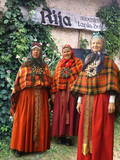 |
Located in the threshing barn of an old estate in Alsunga. There is a souvenir shop where you can purchase practical items such as shawls, gloves, stockings, dishes, herbal teas, etc. Creative workshops are available here for children, and if you contact the venue in advance, you can meet with Suiti women to learn about traditions and to sing and play games. The centre has been awarded the "Latvian heritage" cultural sign. |
|
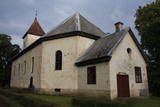 |
Целостное здание церкви строилось в 1780 – 1781 гг. во времена барона Х.Ф. Бера, а перестраивалось в 1876 и 1888 гг. Церковь известна своим алтарем и кафедрой, выполненными в стиле рококо, и построенным в первой половине XVIII века органом. Церковь можно осмотреть изнутри. |
|
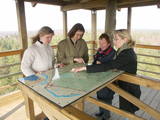 |
This hill in the Tīreļpurvs swamp is an historical object of national importance – the only area in Latvia that is restricted for cultural and historical purposes. There is unique evidence here of World War I fortifications and the so-called Christmas Battle that was fought here.
|
|
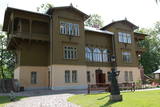 |
On the banks of the Venta River is a treasure of wooden architecture – the so-called Bangerts Villa, which relates to romantic stories and legends and was recently restored. It is said that a man known as Captain Bangerts bought the villa as a gift to present to his Parisian bride. The Kuldīga Administrative District Museum has been in the building since 1940. Since reconstruction, unique wall paintings and other interior design details have been restored, and the flat of the Bangerts family allows people to see how wealthy residents of the city lived in the early 20th century. Also on display are some of the sets of playing cards that have been collected by Jānis Mētra. |
|
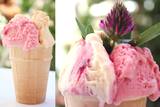 |
The family enterprise (formed in 2006) makes home-made ice-cream from fruit and berries. They make both classical – such as plombieres, cream, joghurt ice-creams and sorbets and nowadays cuisine’s „miracle”- sprat, blue cheese, horse-radish and potato ice-cream with tomato sauce. Till now 80 different ice-cream recipes have been tried. If you book a visit beforehand, you can have an excursion and learn everything about the process of making ice-cream from the chefs themselves. In the cafe it is possible to try different ice-cream dishes – each one with a different ice-cream sauce. The cafe also welcomes pets! Special foods: Horseradish ice cream with herring. |
|


