
| No | Name | Description |
|---|---|---|
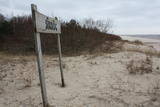 |
This is one of the oldest Livonian villages, recorded in documents for the first time in 1387. The old road from the Dundaga Estate to Sīkrags existed in the Middle Ages. During the 17th century, Sīkrags was one of the most important small ports in Northern Kurzeme, receiving ships from England, Holland and Lubeck that carried coal, grain and other products. Before World War I, there were five sprat smokehouses in the village, and some 55 fishermen lived there during the 1920s and 1930s. Among those to have been born in Sīkrags was the Livonian cultural activist Hilda Grīva (Cerbaha, 1910-1984), seafaring captain Kārlis Anbanks (1884-1937), Baptist preacher Kārlis Lāceklis (1904-1970), linguist and tradition specialist Pēteris Dambergs (1909-1987), and graphic artist Baiba Damberga (b 1957). Today the village is a cultural monument of national importance. It is crossed by a bike route, with a commemorative stone where the narrow-gauge railroad station once stood. Sīkrags, like neighbouring villages, is in the Slītere National Park. |
|
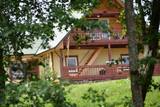 |
Tūristu nometne, smailīšu noma laivošanai pa Šventosios (Svēto) upi un tās pietekām Vyžuonos, Jaros upēm. Piedāvājumā 4 atsevišķas atpūtas vietas ar teltīm, kurās pieejamas dārza mēbeles, vieta grillēšanai, iesmi, pirts upes krastā, āra tualete, mazgāšanās telpa, bērnu rotaļu, volejbola un futbola laukumi. Lielajā dārzā iespējams uzņemt līdz 50 cilvēkiem. Vieta svinībām, festivālu rīkošanai, sanāksmēm un semināriem. Vienā no mājām ir pirts, kā arī divas Krievu prirtis un kubls upes krastā. Piedāvājumā ēdienu pēc iepriekšēja pieprasījuma. |
|
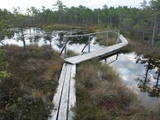 |
The Teiči Nature Reserve was established in 1982 and is one of the largest areas of moss swamps in the Baltic region. It consists of the Teiči and the Pelečāre swamps, with a variety of plants and animals, as well as adjacent territories which are under protection. The Teiči swamp is the largest nesting ground for a number of bird species, including the common crane, the whimbrel, the golden plover and the wood sandpiper. During migratory seasons, thousands of geese of various kinds are found in the area. The reserve can be toured only in the company of a guide from reserve headquarters, and one must apply in advance for such a tour. Visitors will see the pathway of footbridges on Lake Silda, as well as Siksala island, which offers a magnificent view of Latvian swampland from a viewing tower. |
|
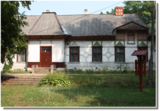 |
Zosna (Veczosna) Manor. The building is surrounded by a small park near the bank of Lake Rāzna.
There are 39 different species of trees and bushes. It was built in 1870 by the order of duke Goļicins. It is
one of the rare truss buildings in Latgale.
|
|
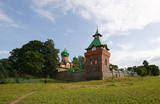 |
Pühtittsa Convent at Kuremäe was established in 1891 and is the only operating Russian Orthodox nunnery in Estonia. Centuries ago there was a sacred grove on Kuremäe hill and a sacrificial spring at its foot, the spring is considered “holy“ for its curative powers. The convent compound is open to visitors; guided tours run by nuns can be booked to learn more about the daily life of convent residents. |
|
 |
The company has a history of more than 40 years, and today it is a competitive dairy processing company at the Baltic level, producing milk, kefir, cottage cheese, yogurt, butter, cheese and other dairy products. A store alongside the factory sells the products, and Valmieras Dairy is one of five companies in Latvia that can manufacture an EU guaranteed traditional product, "Summer Solstice Cheese". |
|
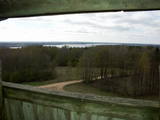 |
This is one of the highest points among the hillocks of the Selonian area of Zemgale – Borīškalns Hill. From the tower, you will see Lake Sauka, as well as the forests and farmland which surround it. The “Kalna Ļūdāni” farm is nearby, and its owner uses his livestock to help to maintain the surrounding landscape.
|
|
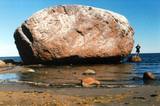 |
This is the largest rock in the Baltic States and, according to some sources, in all of the segment of Northern Europe which was affected by the last Ice Age. Its size is 930 m3! The rock is 7.5 m high, 16.5 m long and 14 m high, with a circumference of 48.5 m. The rock resembles a huge pebble from a distance, and it is on the sandy and rocky beach. Depending on the season, it can be out in the water. The Ice Age carried the rock to its current location from the southern shore of Finland. It is made of pegmatite.
|
|
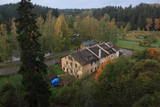 |
The history of Līgatne cannot be separated from the paper factory which was once the only factory of its kind in Latvia. Tours are available in the company of a guide. During the late 19th and early 20th century, the company built homes, a school, a birthing centre, a hospital, a club, a guesthouse and other buildings for its employees, and most of these buildings have survived to this day. There are more than 200 interesting underground passageways which are still used as warehouses for various items, including vegetables. |
|
 |
Ķesteri – the home where the Liv cultural activist and organist Kārlis Stalte
(1870-1947) was born.
|
|
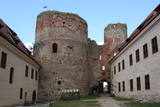 |
Bauska's name in historical sources for the first time is mentioned in 1443. This is the time when on the peninsula between Musa and Memel confluence construction of last Livonian Order castle on the present-day territory of Latvia was begun. At the castle – in Ķirbaksalā populated area so-called Vairogmiests developed. During the 17th century rapid boom of the town was observed. Here were working goldsmiths, silversmiths, carpenters, potters, shoemakers and other craftsmen. In later centuries the city suffered from wars, plague and Napoleon army. Today Bauska old town with reconstructed City Hall and the restored Bauska Castle is one of the most interesting Latvian historical town centres. Bauska is known for its annual events - Ancient Music Festival, Bauska town festival, country music festivals, and other events. |
|
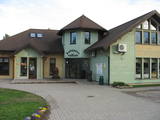 |
The café is on the banks of the Daugava River between Stukmaņi and Pļaviņas, offering a bakery, shop and café. There are dozens of types of bread, biscuits, tortes, cakes and other baked goods. Latvian cuisine: Dumpling or sorrel soup, farmer’s breakfast, eggs sunny side up, pork ribs, grey peas, potato pancakes with salmon, crepes, blackberry crème. Special foods: Liepkalni rye bread, bread kvass.
|
|
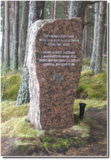 |
A memorial to Finnish soldiers in
Klapkalnciems – five such soldiers from
World War I are buried here. The memorial
was first installed in 1929, but it was
destroyed by the Soviet authorities. It was
recreated in May 2004. The Lapmežciems
Museum features photographs and more
information about the Finnish soldiers.
|
|
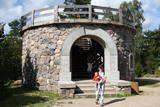 |
This arboretum park is in a lovely place – the Blue Hills of Ogre, where there is a tower with a good view of the Daugava River Valley. The landscape is enlivened by a pond and its streams. There are beautiful hiking trails throughout the park.
Unique species: The Amur Cork Tree (Phellodendron amurense) and the Field Elm (Ulmus minor), among others.
|
|
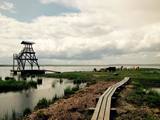 |
Engures apkaimē aug 22 no Latvijā sastopamajām 32 orhideju dzimtas sugām .Lai dabas parka apmeklētājiem dotu iespēju aplūkot šīs interesantās augu sugas, ierīkota Orhideju taka. Kopējais takas garums ir 3.5 km, tā sākas netālu no Engures Ornitoloģisko pētījumu centra, līkumo caur kalcifilajiem purviem un mežam putnu novērošanas torņa virzienā, un aizvijas tālāk gar atjaunoto ezera piekrastes pļavu, kurā mīt govis un zirgi. Takas sākumā novietotajā informācijas zīmē attēlotas ne tikai apkārtnē sastopamās orhidejas. Tur iespējams gūt daudzpusīgu informāciju arī par citām interesantām Engures ezera dabas parka augu sugām.
|
|
 |
The craftsman produces bespoke and elegant interior design objects such as wooden furniture (closets, beds), stairs and other useful items. He will be happy to share his knowledge and experience. Among other things, Andris Prikulis has built several wooden altars for churches. |
|
 |
The craftspeople produce interesting clay cups with text, drawings and animal figurines inside them. You can take a tour, watch the specialists at work, and engrave your own texts on dishware. You can also use gypsum moulds to create small animals, work with a potter’s wheel, purchase souvenirs, and order products for yourself. |
|
 |
The Vilciņi farm is one of the largest and most modern agricultural manufacturing companies in Zemgale, always using environmentally friendly methods. The farm is in the Krimūni Parish in the heart of the historical region of Zemgale. It was established in 1991 by the parents of the current owner, Arnis Burmistrs. Today the farm specialises in grain farming on ~2,200 ha of land. The farm uses precise agricultural methods to save money and preserve the environment and human health. It is actively involved in EU-financed projects, has a modern set of agricultural equipment, and has installed a local meteorological facility. Tours are available. |
|
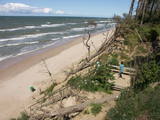 |
At Jūrkalne, there is a small viewing area on the steep shore which offers a magnificent view. At the foot of the shore, which can be accessed via a set of steps, the view is no less wonderful. It is worth hiking along the entire shore from Pāvilosta to Sārnate (approximately 30 kilometres).
|
|
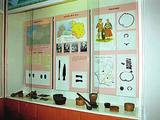 |
Viļāni Museum of Local History. Permanent exposition of the
town history from the ancient times to nowadays. Tours in Viļāni.
Working hours: Mon– Fri : 8.00 – 12.00,13.00 – 17.00, Sat., Sunday : closed |
|


