
| No | Name | Description |
|---|---|---|
 |
The “Lamb Club” is a farm in Mazsalaca, and it is special because the sheep live in a real club! The owners offer the atmosphere of a farm at which the sheep play major roles. Enjoy mutton and sheep milk foods and beverages, feel how comfortable it is to read your favourite while sitting on a fluffy sheepskin, and, in order not to get cold by the campfire in the evening, you can purchase warm woollen socks and woven woollen cloaks. The owners hope that people from Latvia and all around the world will spend more time at the farm, because accommodations involve a new glamping tent that is as close as possible to nature and the healthy rural environment. Don’t lose a lick of the comfort that you are used to in your everyday life! The owners, Ilze and Valters, will be happy to give you a tour during which they talk about herding sheep. If you contact them in advance, they will prepare a tasty mutton meal for you. The tour can also be supplemented with various activities such as games, quizzes and creative workshops at which sheep wool is utilised. |
|
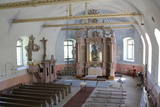 |
Храм построен в 1766 г., а колокольня возводилась в 1897 году. Орган, построенный в 1859 году органным мастером Ансисом Динсбергсом, считается старейшим органом Латвии работы латышского мастера. Запрестольный образ «Пасхальное утро» создан Янисом Розенталсом в 1912 году. Церковь можно осмотреть изнутри. |
|
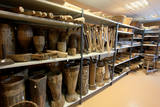 |
Ethnographic and household storage in Sarkaņi offers craft tools collection, furniture and household collection, 19th and the end of the 20th century living room furnishings, and the exhibition dedicated to Madona countrymen. (Source: Madona TIC) |
|
 |
In the workshop you can see how wool becomes yarn using old techniques and how knitted and woven items are made today. You can try your hand at carding wool, spinning yarn and weaving a rag rug on looms. |
|
 |
The farm "Veckūkuri" in Jērcēni parish of Strenči district is included in the top of the most productive herds in Latvia. "Veckūri" is a milk processor that produces non-traditional dairy products from the milk obtained on its farm. The farm is also ranked among the companies that have been awarded the State Export Council awards “Latvian Export Product 2015”. |
|
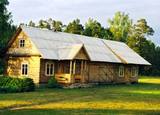 |
Lauku sētas atrodas pie upītes, ciema nomalē, kas jau izsenis bijusi mājvieta biškopjiem. Vieta piemērota mierīgai atpūtai. Izglītojošas nodarbības ikvienam, kas ir ieinteresēts Dzūkijas kulinārajā mantojuma, amatniecībā un tradīcijās. Maizes cepšana, pīrāgi ar sēnēm, olu rotāšana ar vasku, pinumi no salmiem. Vakarēšana ar dzuku dziesmām un dejām. Tautastērpu izgatavošana gan bērniem, gan pieaugušajiem. |
|
 |
Lauku sēta atrodas Džūkijas nacionālajā parkā. Saimniecībā iespējams pašiem ar saimnieces nelielu palīdzību pagatavot tradicionālos dzūku ēdienus veco laiku maizes krāsnī. Kulinārais mantojums un izglītības programmas. Piedāvā arī nakšņošanu. |
|
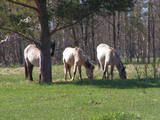 |
Für den Zweck der Bewirtschaftung der Niederungsauen des Pape-Sees und der Vermehrung der biologischen Vielfalt sind hier Konik-Wildpferde angesiedelt wurden. Die kann man mit einem örtlichen Guide kennenlernen. |
|
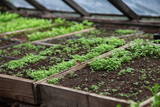 |
The farm grows some 25 types of plants and prepares products from approximately 50 types of plants. Visitors will learn about the use of medicinal plants not just in teas, but also in oils, extracts, tinctures, syrups, etc. These can be used for everyday nutrition. Products can be tasted and bought, and you can help out with the farm’s operations. There is also livestock to view. |
|
 |
Avinurme Cultural Heritage Centre exhibits displays of local cultural history and runs workshops for woodwork and handicraft. Old workbenches are used for carpentry, and spinning and weaving skills can be honed too. 1-3-hour programmes are available for groups. |
|
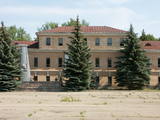 |
1275 is considered as a year of foundation of Daugavpils. This is the time when the Master of Livonian Order Ernst von Ratceburgs built Dinaburg castle at the Naujene hill fort. It suffered several Lithuanian and Russian invasion until in 1577 the castle was destroyed by Russian troops under the command of Ivan the Terrible. After this event Dinaburg was restored 17 km further on the right bank of the river, where now the town of Daugavpils is located. From 1810-1833a new fortress was built. In 1826 started the building of what is now the historic centre of the town. During the World War I the major industrial companies with workers were evacuated to Russia. During first Latvian Republic, the cultural life in Daugavpils flourished. Most part of the town was destroyed during World War II – in the July of 1944. Nowadays the town is the second largest town in Latvia and is an important economical centre of Latgale historic region. Restoration of Daugavpils Fortress was launched recently; this project can be considered as a unique on the European scale. |
|
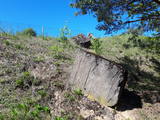 |
Nordeķu - Kalnciema kāpu grēdas daļa Kleistu meža austrumdaļā pie Dzirciema ielas. Padomju laikā šeit darbojās divi (vēlāk viens) P - 35 radars, kas griezās ap savu asi. Vietējie iedzīvotāji tolaik šo vietu bija iesaukuši par "Lokatoru kalniņu". Ziemeļos no tā atradās padomju armijas cūku ferma. |
|
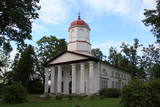 |
Mūsdienās redzamo (pēc skaita – trešo) baznīcu cēla laikā no 1835. - 1837. g. (ampīra stilā) Mārča Sāruma vadībā. Arī šīs ēkas projektēšanā par paraugu bija ņemts Pievolgas vācu baznīcu veidols, tādēļ tā līdzīga Dzērbenes luterāņu baznīcai. Dievnama altāri rotā Otto Donnera fon Rihtera glezna “Kristus debesbraukšana” (1898. g.). E. Martina firmā būvētās 10 reģistru ērģeles (1901. g.) darbojās arī šodien. Pie Drustu baznīcas atrodas 1932. g. atklātais un formās iespaidīgais (E. Kuraua firmas veidots) granīta piemineklis 1. pasaules karā un Latvijas Brīvības cīņās kritušo piemiņai. Nelielā baznīcas sienas nišā novietota piemiņas plāksne komunisma terora upuriem. |
|
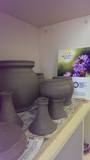 |
Found in the Alsunga Museum, the workshop has been open since 2009, showing people how various ceramics can be made from clay. Visitors can try their hand at the task or just watch as the clay is shaped, spun and, finally, glazed. |
|
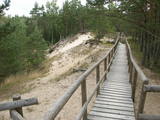 |
The trail climbs up and down along the bluffs of lower River Pilsupe and reveals a fascinating sight of three white dune exposures (the largest is called the White Dune). The trail is 900m long, and the White Dune is ca 20m high. It has formed ca 6000 years ago, in the period of the Littorina Sea which is a foregoer of the Baltic Sea. Here the first Stone Age settlement on the North Western coast of Latvia has been found in 1934 by geologist S. Burhards. In the sand, some 500m from the sea, he found some pottery fragments, a sandstone hone, a piece of flint, parts of bones and an amber bead. He handed the findings over to the National Museum of History. In October 1934, the site was checked by archaeologist E. Šturms, who found the archaeological layer, typical for such settlements, in the landslides of the Pilsupe riverbanks. In 1936 he started larger excavations to continue by 1938. Totally seven, chronologically different settlements were detected and many artefacts found, including fragments of the so called Sārnate and pit-comb pottery, as well as some pieces of corded pottery. Based on these findings, the settlement is dated back to the beginning or middle of the 3rd millenary B.C., and it has been inhabited till the beginning of the 2nd millenary B.C. Especially remarkable are three clay figures in human shape which have probably been used for some religious cult purposes. Since 1993, archaeologist Ilzes Loze has discovered several pit-comb ware culture settlements in large area around Pūrciems village. They are known in research literature as „the Ģipka settlements”. |
|
 |
The restaurant – pizzeria Tomato Pica is situated in the centre of the city of Jelgava, in the shopping centre Pilsetas Pasaza. Elegant and comfortable restaurant premises for enjoying your food, soft music in the background and polite, professional servers. Tomato Pica offers all classical types of pizza, baked using special sauce recipes and dough typical for Italy, as well as different salads, appetizers, desserts and drinks. The restaurant –cafe Tomato Pica is suitable both for family rest and for business lunches. |
|
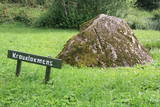 |
Rīgas – Daugavpils šosejas (A 6) malā (vietā, kur no Zemkopības institūta nogriežas ceļš uz Skrīveriem) redzama zema ieplaka ar Kraukļu akmeni, kas ir sena kulta vieta. Pie akmens veikti arheoloģiskie izrakumi, kuru laikā atrastas senlietas. Vecākā ir no 12. gadsimta. Akmens aprakstīts slavenajā Andreja Upīša (1877. – 1970.) darbā „Sūnu ciema zēni”. |
|
 |
The "Magdalena" café is in the centre of Saldus. Latvian cuisine: Sauerkraut, dumpling, beet, sorrel and cold kefir soup, potato pancakes, crepes, sautéed pork ribs, homemade steak haché, farmers’ treats, oatmeal cream, stacked oatmeal or rye bread. |
|
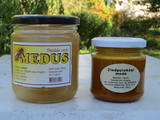 |
The owner offers honey made of various flowers, forest plants, heather and linden blossoms, pollen, bee bread, propolis, and other beekeeping products. He will be happy to give you a tour and tell you about his work. |
|
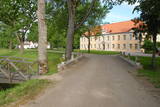 |
The estate of 12 buildings and a park has survived almost completely to this very day. The main building of the estate was erected on a largish oval island in the 1840s, and it has a moat all around it. This was meant to resemble fortified Medieval castles. The mansion is currently home to the local parish government, library and post office. Visitors can take a tour of the estate and its surroundings. There are stories about the estate to say that the baron had a beautiful daughter who, like the Rose of Turaida, refused to obey her father's instructions. Go to Veselava, and you'll hear the whole story! |
|


