
| No | Name | Description |
|---|---|---|
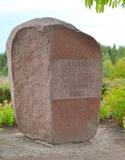 |
The stone is in the small village of Vasiļova, which is along the Daugavpils-Rēzekne (A13) road. The Vasiļova Semi-Estate used to be leased by the father of the great Latvian playwright Rainis, Krišjānis Pliekšāns. |
|
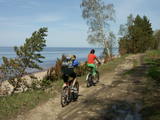 |
The largest NATURA 2000 territory in Latvia covers 6% of the country’s area. It is located in parts of the Limbaži, Valmiera and Valka districts, and it is a place of an enormously diverse range of landscapes, biotopes and species. The Salaca River is one of the most important rivers in the entire Baltic Sea region in terms of spawning grounds for salmon. The river valley and its sandstone cliffs attract many visitors. It is no accident that this is the second most popular river in Vidzeme for water tourism. The shore of the Bay of Rīga, which is not very long, also features a great diversity in landscapes and biotopes. At the northern end, we find the Randu meadows. In the central part there are sandy beaches, but at the southern end – 22 kilometres of rocky shoreline. The so-called Northern swamps are found on the border with Estonia, while the Seda heath is one of the most important places in the region for birds to rest and feed during migration. The reserve also features a diverse forest in which one can find all of the types of forest which are common in Latvia. Nature trails and viewing towers or platforms are found in the Randu meadows, on the banks of Lake Burtnieks, along the Planči and Niedrāji-Pilka swamps, on the banks of Lake Dziļezers and Lake Lielezers, and elsewhere. The Skaņākalns park in Mazsalaca is one of the most popular tourist destinations in Northern Vidzeme. The territory boasts many important cultural monuments, including one of the earliest known settlements in Latvia – a fishing settlement and burial ground which date back to the 5th to the 2nd millennium BC.
|
|
 |
Pamatīgs trīsstāvu koka tornis, no kura atklājas viens no labākajiem Matsalu līča un tā apkaimes palieņu pļavu skatiem, kuras apsaimnieko mājlopi, veidodami piemērotu vidi dažādām putnu un augu sugām. Laba migrējošo zosveidīgo putnu vērošanas vieta. Tā kā tornis ietilpst Tūlingu (Tuulingu) saimniecības teritorijā – spēkrats ir jāatstāj netālu esošajā autostāvlaukumā, bet suņi jāved piesieti kakla siksnā. |
|
 |
Atrodas Kūrmājas prospekta turpinājumā pie gājēju ietves, kas ved uz jūru. Piemineklis (uzstādīts 1977. g.) simbolizē sievieti, kas gaida mājās pārnākam savu vīrieti. |
|
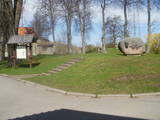 |
This site has a commemorative stone which speaks to Krišjānis Valdemārs’ achievements in the development of the Latvian state. This used to be the location of the Roja or Lubezere maritime school, and the home for teachers is still there. A private medical practice is in the building right now. The maritime school existed from 1873 to 1915 and was wrecked during World War I. The school trained helmsmen for short-distance trips. Tuition was free, and classes were taught in Latvian. Latvian sailors were known in Russia and abroad, including the Americas. They were respected for their serious approach to their work, their honesty and their loyalty. (Source: Roja TIC) |
|
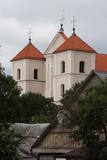 |
Baznīca atrodas Sodu ielā (Sodų gatve) 8. Tās pirmsākumi meklējami 1409. g. (viena no vecākajām Lietuvas baznīcām), kad Lietuvas dižkunigaitis Vītauts Dižais izveidoja Traķu apgabala baznīcu. Dievnams joprojām ir pazīstams ar 1123. g. Konstantinopolē gleznotās Traķu Dievmātes gleznu, kuru it kā Vītautam 1390. g. uzdāvinājis Bizantijas ķeizars Emanuels Paleologs II. Šis fakts gan ir jāuzskata par leģendu, ko aprakstījis vēsturnieks Albertas Vijūkas – Kojalavičius, jo 1645 g. gleznas restaurācijas laikā noskaidrojās, ka tā ir tapusi 15 gs. beigās vai 16. gs. sākumā. Traķu Dievmātes glezna ir pirmā Lietuvas pāvesta vainagotā glezna (vainagošanas ceremonija notika 1718 g.), pēc kuras brīnumus piedzīvojuši daudzi ticīgie - gan katoļi, gan pareizticīgie, gan pagāni, gan tatāri. Latvijā - Aglonas bazilikā atrodas šīs gleznas kopija, ko uzskata par svētu! Vislabākais skats uz baznīcu, Traķu ezerpili un Traķiem paveras no klaja paugura Galves (Galvė) ezera ziemeļu krastā. |
|
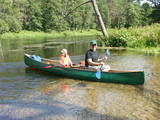 |
Ūla ir viena no skaistākajām un likumsakarīgi – arī populārākajām Lietuvas ūdenstūristu upēm. Tās galvenā pievilcība ir skaistā ainava ar augstajiem upes krastiem, kuros slejas iespaidīgas smilšu kraujas līdzīgi kā Irbes krastos Latvijā. Laivošanu var sākt no Mančagires (Mančiagirė) vai Zervinos ciemiem un turpināt līdz Ūlas ietekai Merķē un tālāk pa Merķi līdz pat Merķinei un Nemunai. Ūla nav plata, taču posmā no Zervinos ciema tajā nav neviena koku aizgāzuma vai cita šķēršļa, kuram laiva būtu jānes apkārt. Ašā straume, asie līkumi, dzidrais ūdens un tajā redzamā zemūdens pasaule rada patiesi patīkamu sajūtu! Upes krastos atrodas gan publiskas (apsaimnieko Lietuvas valsts meži), gan privātas ūdenstūristu apmetnes un atpūtas vietas. Šī ir vienīgā Baltijas upe, kur ūdenstūristiem ir jāpērk licence. Ūlas krastos atrodas divi interesanti apskates objekti – Ūlas atsegums (Ūlos atodanga) un spēcīgs avots – Ūlas acs (Ūlos akis). Savukārt, Merķe jau ir jau krietni platāka upe, taču ar acīm redzamu straumi un dažviet pat jaukām straujtecēm. Kaut arī Merķes krasti ir mazapdzīvoti, tajos atradīsim piemērotas nakšņošanas vietas. Pa Ūlu un Merķi no Zervinos līdz Merķinei sanāk „mierīgs” pusotras - divas dienas ilgs brauciens. |
|
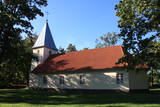 |
according to legend, was washed into the sea because of collapsing shores along with other buildings and the old road. The church was built in 1862 and has an altar painting from the late 19th century, "Mother of God," along with an organ. The metal elements of the building's doors are interesting. Hanging from the ceiling of the church is a sailing ship that has to do with the rescue of the crew of the sunken ship. |
|
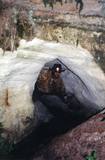 |
Vairāki dažus metrus augsti smilšakmens atsegumi, kas izveidojušies Stiglavas (Stiglovas) strauta gravas nogāzēs. Kaut arī teritorija tiek popularizēta kā tūrisma objekts, tajā nav īpašu šim nolūkam paredzētu labiekārtojumu. Teritorijas apmeklētāji bojā smilšakmens atsegumus, kas ir aizsargājami biotopi!
|
|
 3 days
|
This programme allows participants to learn about Latvian ethnography and traditions through meeting local craftsmen and having master classes with them in knitting traditional mittens and gloves, making amber jewellery and cooking traditional foods. There is chance to have a unique experience because of the authenticity of some places and traditions, for example the ethnographic house of living history Zvanītāji still retains its original appearance - massive ceilings, large family room with bread oven and natural, unpainted wooden floor. The carew chimney is still in the kitchen. The house is filled with characteristic looms, a family table, beds, wardrobe, cradle, various items and tools used on the farm. |
|
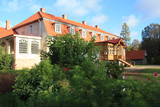 |
The oldest elements of the Oleri Estate date back to the 17th century. Initially there was a wooden mansion with an ancillary building. The new centre was built in the late 18th century in the style of Early Classicism. After agrarian reforms, the mansion housed an elementary school, and during the Soviet occupation and until the 1970s it was a school for children with mental disorders. The mansion suffered in a fire in 2000, after which it was restored. A local organisation was of great importance in this regard. The mansion is known for its Classicist paintings, with a unique “Painting Gallery.” The mansion is surrounded by a lovely park. The Oleri Estate is known for hosting chamber music concerts. The local Oleri swamp has a wooden pathway and a little viewing tower. |
|
 |
The garden is located on the very bank of the River Gauja, near the Valmiera Castle ruins. A story about the use of plants in preparing meals. Bread, gingerbread baking, cheese making programmes. |
|
 |
Atrodas Sedas purvā (Sedas dabas takas malā) ar plašu skatu uz izstrādātajām kūdras platībām. Sedas taku ieteicams izstaigāt vietējā gida pavadībā T: + 371 2636162. |
|
 |
Fruit and berry wine has been made at the Tori Jõesuu Cider and Wine Farm since its beginnings. The people currently living there are inspired by the experiences of their ancestors and value the fruits and berries that grow from the local Soomaa soil, which has a particular composition. The old feral apple tree, which grows in the yard, is particularly special because its golden apples have an unusual taste which makes the Tori Jõesuu Cider Farm cider unique. The visit also includes a tour of a genuine Nordic vineyard. The Cider tour around Tori Jõesuu Cider and Wine Farm on the edge of Soomaa has been awarded the EHE (Genuine and Interesting Estonia) quality label. The farm introduces guests to the secrets of good cider and wine making, the special features of the cultivation of northern grapes, as well as offers catering and organises tastings. |
|
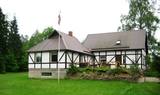 |
Guest house "Aivari" is located in a quiet forest in Inčukalns region. Offers rest in a country sauna, after the sauna it is possible to use a shower, cool off in the pool, also a swim in the spring pond and a wooden tub. There are tent sites, a picnic area with awnings, a volleyball net and several campfire sites. |
|
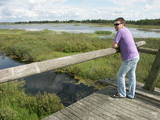 |
The tower is at the western end of the Seda swamp, accessed from the side of Jērcēni. Transport is limited here. The tower is in the area of the swamp where peat moss is extracted. It offers a broad view of the ponds of Seda and a boat rental facility that is nearby. It is an appropriate location for bird-watching during the season of migration. There is another bird-watching platform near the town of Seda. This is part of the ZBR. |
|
 |
Latvijai neparastā izskata tornis tika uzcelts līdz ar Ziemeļblāzmas kultūras pils un parka atjaunošanas procesu. No torņa paveras plašs apkārtskats uz jau minēto parku, pili, Daugavu, Pārdaugavu un Daugavas vārtiem (Daugavas ieteka jūrā). Darbojas lifts. Tornis atvērts sezonas laikā. |
|
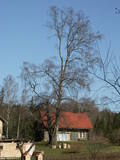 |
This is the thickest birch (Betula pendula) tree in Latvia and can be seen from the Klapkalnciems-Milzkalne road.
|
|
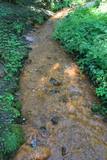 |
The Saltupju sacred stream is 1.3 km to the Northwest of the centre of Aknīste, near the small valley of the Dienvidsusēja River. The stream has been known as a source for medical treatments since antiquity. It is said that streams which flow to the East always have medicinal water, particularly on Easter morning for those who rinse their eyes in it. The water contains iron compounds, which is seen in the brown sediment (the result of iron bacteria). Alongside the stream is a stone with a small indentation, and it is thought to have been a cult stone long ago. A sacred linden tree grows at the edge of the valley. The stream can be seen with good reason as one of the most outstanding streams in all of Latvia. |
|
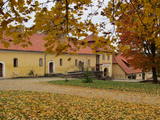 |
The estate in Milzkalne that is along the banks of the Slocene River dates back to the 15th century, when it was built as a closed complex for the Livonian Order. It is the only fortified estate of its type to have survived to the present day, and it was once used as a hiding place for aristocrats during an attack. The gate towers with their ornate weather vanes were built in the late 17th century, and the ancillary buildings date back to the 18th and 19th century. A brick wall with firing apertures survives. The Latvian Road Museum is in one of the wings of the complex, while the former mansion offers accommodations, tours and tastings of local goodies. |
|


