
| No | Name | Description |
|---|---|---|
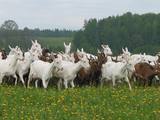 |
This is one of the largest goat farms in Latvia, with approximately 160 pedigree goats (Alp, Anglo, German White Noble and other breeds), as well as pigs for breeding purposes. You can take a tour and help in herding the goats. Kid goats can be seen in the spring. You can taste various kinds of cheese, ice-cream made from goat milk and watch how the goats are milked (around 5:00 PM every day). You can also taste and purchase canned meat. No preservatives are ever added to the farm’s products. |
|
 |
Kakaiši is found 1 km to the South-West from Vecpiebalga, in the tiny village of Kakaiši. The Latvian writer Antons Austriņš (1884-1934) was born there and went to school in Vecpiebalga. Austriņš is best known for the short story collection “Puiškans” (1931). The museum features various rural objects, things associated with the author, and exhibits such as his collected works and other books that are worth visiting in the company of a guide. |
|
 |
Prepared blood sausages both traditional and more modern. The farms offer sausage-making demonstrations for various interest groups. Farm sausages are special with the prize won at the Riga Food exhibition - People's Taste. Open at any time by prior arrangement. |
|
 |
You can visit a restored little wooden building to watch and take part in the process of weaving. Natural materials are used to produce lovely souvenirs and useful household products. There are nine looms, and you will hear information about weaving as such. The workshop produces woven scarves which are coloured with natural dyes. |
|
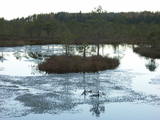 |
Teiči Nature Reserve — untouched territory, bogs, and birds. This is a significant bird resting place before seasonal migrations. Here you can see up to 1,500 cranes and 8,000 geese at once. The bog is a mating-place for black-cocks, therefore if you are near in an early spring, listen, and maybe you will hear these majestic mating calls. The trail can be visited only with the Nature Conservation Agency employee's escort from June 1 until October 31. |
|
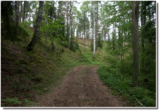 |
The Green Dune is beyond the Krāči hills (Krāckalni)
and is the second most distinct dune formation in the
national park. It runs for more than three kilometres,
separating the Raganu and Zaļais swamps. An old
earthen road is at the foot of the dune, and that’s the
basis for the route.
|
|
 |
One of the most popular places on Latvian seashore to buy smoked fish or fish cooked in some other way. The fish is being smoked by local undertakers so quite often it is possible to feel a nice fish smell in tte village! |
|
 |
Seno un mūsdienīgo amatu prasmju popularizēšana, izkopšana un tālāknodošana. |
|
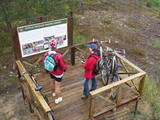 |
Lietuvas lielākais sūnu purvs, kura aizsardzības nolūkā ir izveidots Čepkeļu dabas rezervāts (Čepeklių gmatinis rezervatas). Tas izvietojies starp Dzūkijas nacionālā parka dienvidaustrumu daļu un Baltkrieviju. No Marcinkones pa smilšainu meža ceļu (~ 9 km turp - atpakaļ) ar kājām vai divriteni (arī nelielu tūrisma autobusu līdz 20 vietām) var nokļūt līdz purva malai, kur mežainās kāpās un purvā izveidota 1,5 km gara dabas taka un skatu tornis, no kura labi pārredzama purva rietumdaļa. Pirms došanās uz Čepkeļu purvu, ir jāreģistrējas Dzūkijas nacionālā parka apmeklētāju centrā (Šilagėlių gatve 11), kas meklējams aiz dzelzceļa pārbrauktuves. Te apskatāma neliela nacionālajam parkam un rezervātam veltīta ekspozīcija. |
|
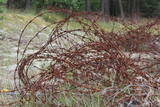 |
The former air defence missile base took up a large territory to the South of Pāvilosta in its day, but today that land has been abandoned and degraded. It can be dangerous for visitors.
|
|
 |
This hill in the Tīreļpurvs swamp is an historical object of national importance – the only area in Latvia that is restricted for cultural and historical purposes. There is unique evidence here of World War I fortifications and the so-called Christmas Battle that was fought here.
|
|
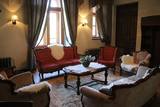 |
The castle was built as an almost exact copy of the architecture of Windsor Castle in the UK and is among the most unusual of the Estonian manor buildings. At least as interesting is the owner and initiator of the manor building design - Count Friedrich von Berg. There is also a Dendro park with rare species behind the Castle. |
|
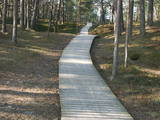 |
Plieņciema taka atrodas dabas liegumā "Plieņciema kāpa" starp Plieņciemu un Ķesterciemu. Pāri kāpai ir izveidota laipu taka un atpūtas vieta. Taka ir izveidota, lai mazinātu negatīvo ietekme uz Plieņciema kāpas dabas vērtībām – zemsedzes nomīdīšanu, piegružošanu ar atkritumiem, braukšanu ar autotransportu.
|
|
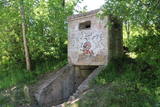 |
Viena no slepenākajām vietām kādreizējā Padomju Latvijā - bunkuri ir bijušais raķešu vadības punkts un patvertne. Bunkurus izveidoja 1950. un 1960. gadu mijā Padomju armijas vajadzībām. Par atrašanos šajā teritorijā draudēja bargs sods. Celtnes izveidošanai ar milzīgām 16- riteņu kravas automašīnām tika atvesti lieli dzelzbetona bloki. Pēc trīs bunkuru izveidošanas, papildus nostiprināšanai un nosiltināšanai tos apbēra ar granti. Celtne sastāv no 2 x 3 sekcijām, kas pievienotas vidējam gaitenim. Blakus ēkā atradās skola, kad 1946. gadā tā daļēji bija izdegusi, tika noslēgts līgums ar Padomju armijas garnizonu par telpu īri. Tā Valkas pilsētas centrā radās militārais centrs un Valka kļuva par Padomju Savienībai svarīgu kodolbruņojuma objektu. Objekts pieejams tikai no ārpuses! |
|
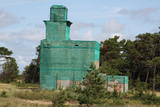 |
This is a closed and guarded territory on the banks of Lake Būšnieks in Staldzene. The former project building is on the shore of the sea.
|
|
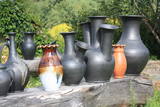 |
The potter is happy to welcome guests, offer them tours and demonstrations, and allow visitors to help in producing ceramics. Particularly interesting is the opening of the kiln, and pottery can be purchased at the site. |
|
 |
Latvijai neparastā izskata tornis tika uzcelts līdz ar Ziemeļblāzmas kultūras pils un parka atjaunošanas procesu. No torņa paveras plašs apkārtskats uz jau minēto parku, pili, Daugavu, Pārdaugavu un Daugavas vārtiem (Daugavas ieteka jūrā). Darbojas lifts. Tornis atvērts sezonas laikā. |
|
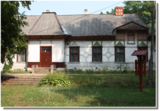 |
Zosna (Veczosna) Manor. The building is surrounded by a small park near the bank of Lake Rāzna.
There are 39 different species of trees and bushes. It was built in 1870 by the order of duke Goļicins. It is
one of the rare truss buildings in Latgale.
|
|
 |
The café is in the centre of Jēkabpils and offers pizzas, pastries, cakes, tortes and sweet pretzels, as well as cured meat, tasty venison and wild boar dishes, and products from local producers and farmers. |
|
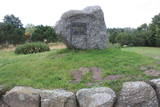 |
Pāvilostā ir trīs parki. Pāvilostas centrā (pie kultūras nama) atrodas Piecdesmitgades parks, kuru 1929. g. iekopa skolotājs un novadpētnieks Ernests Šneiders. Vienu ozolu tajā esot iestādījis Latvijas Valsts prezidents Gustavs Zemgals. Simtgades parks ar piemiņas akmeņiem tapa Sakas labajā krastā jau kā turpinājums iesāktajam. Vecākais no Pāvilostas parkiem - Upesmuižas parks (19. gs.) atrodas tuvu Liepājas – Ventspils šosejai. Upesmuižas pils nav saglabājusies (nodedzināta 1905. g.). Parkā apskatāms sens akmens sols (perimetrs 5,55 m) un Upesmuižas parka Lielais akmens. Domājams, tas ir kultakmens. |
|


