
| No | Name | Description |
|---|---|---|
 |
There is a memorial to the victims of World War I on the side of the Klapkalnciems-Tukums road. |
|
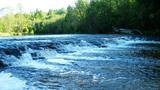 |
35 m wide and 0.5 m high, the
|
|
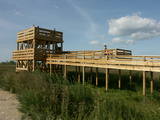 |
This is the only viewing platform in Latvia which is wheelchair-accessible. From the second level, you can see much of the restricted territory – areas of reeds, some wetlands, dunes and the estuary of the Daugava River. This is a good location for bird-watching.
|
|
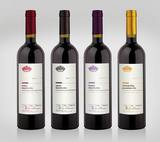 |
This farm grows black currants, blackberries, raspberries, rowans, sea-buckthorn and other berries from which the owner produces homemade wine. The cellar of the castle of the former Order of Kuldīga (with room for up to 25 people) offers tastings of three different wines. Larger groups are welcome to the granary of the Padure Estate. |
|
 |
Atrodas ļoti skaistā vietā – Krimuldas muižas kompleksa teritorijā, vienā no muižas vēsturiskajām ēkām. Mājīgs interjers, mākslinieka J. Annmaņa apgleznotas sienas. Piedāvā turpat muižā darinātos mājas vīnus un „Muižas stipro”. Garšīgas tējas, uzkodas un siltie ēdieni. |
|
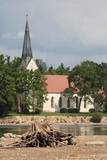 |
Atrodas Pļaviņu HES ūdenskrātuves krastā (R. Blaumaņa ielas galā) iepretim salai, uz kuras top Likteņdārzs. Baznīca (celta 1687. g.) ir vairākkārt atjaunota (1731., 1887.). Tagad redzamais tornis tapis par Stukmaņu muižas īpašnieku atvēlētajiem līdzekļiem. Baznīcā par mācītāju kalpojis Ernests Gliks. Padomju laikos ēkā atradies Stučkas vēstures un mākslas muzejs. Apmeklētāji var uzkāpt dievnama tornī (čuguna zvans!), kā arī aplūkot mākslinieka A. Dobenberga gleznas. Baznīca ir atvērta un apskatāma arī no iekšpuses. |
|
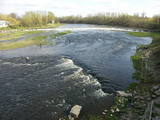 |
Above and below the town of Kuldīga, the Venta River is distinguished by a variety of biotopes – hillside forests, sandstone and dolomite cliffs, meadows, protected plants and animals, and diverse landscapes. There are popular tourism objects in this part of Kurzeme – the Venta dam, the stone bridge of Kuldīga, the Veckuldīga castle hill, etc. An ecological tourism trail runs along the banks of the Venta, and a bicycling trail has been installed on its left bank. |
|
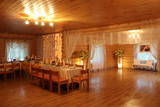 |
The farm engages in cattle breeding, fruit and vegetable growing, and production and processing of milk and meat. Contact the farm in advance to purchase homemade products, learn to make cheese, and bake your own bread on the basis of ancient recipes. This farm is part of the culinary heritage of Latgale. |
|
 |
The saloon is opposite the Machinery Museum on the edge of Bauska. The nationally historical interior allows visitors to comfortably feel different than others. Latvian cuisine: Oatmeal, milk soup, pumpkin soup, cold beet soup, homemade steak haché, potato pancakes, crepes, bread soup. |
|
 |
Seno un mūsdienīgo amatu prasmju popularizēšana, izkopšana un tālāknodošana. |
|
 |
Meklējams Ostas ielas promenādes malā, 100 m ziemeļaustrumos no Ventspils Livonijas ordeņa pils. Veltīts jaunlatviešu kustības aizsācējam, publicistam un politiķim, kā arī pirmās Latvijas jūrskolas dibinātājam. Uz soliņa sēdošais Krišjānis ar savu skatu „pavada” katru ostā ienākošo izejošo kuģi. |
|
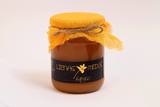 |
A family-owned company that cares for a clean environment, organic produce and design. Offers tours in the bee apiary and farm, tasting. |
|
 |
Atrodas netālu no Biksēres muižas, blakus muižas parkam. Ozolkalna klēts saimniece Līga Kuba aušanas prasmes pirms pāris gadiem apguvusi Sarkaņu amatu skolā. Šeit radusies iecere par privātas aušanas darbnīcas izveidi, kas arī īstenota. Saimniece savas aušanas prasmes nodod jebkuram interesentam. Apmeklētāji var iegādāties šeit darinātos suvenīrus. |
|
 |
Saimniecība “Lejaskroķi” atrodas Abavas senlejā. Tajā nodarbojas ar truškopību. Saimnieku aprūpē ir ap 500 trušu, kā arī kazas un mājputni. Viesojoties saimniecībā, viesi varēs samīļot un pabarot trusīšus, kā arī apskatīt kazlēnus, kam ļoti patīk cilvēku uzmanība. Dzīvnieciņus iespējams apskatīt, iepazīt un samīļot, kā arī pabarot. |
|
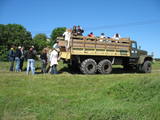 |
Ap 6 km garā pussala ir vieta, kur jānokļūst tiem, kas grasās doties vienā no neparastākajiem pārgājieniem pāri jūras šaurumam. Cauri Kūsnemmes pussalai līdz tās ziemeļu daļai iet šaurs un ļoti līkumains grants ceļš (ar garāku tūristu autobusu jābrauc lēni un uzmanīgi), kura galā izveidots autostāvlaukums, neliels namiņš, kur patverties lietus un vēja laikā, kā arī informācijas stends. Turpat redzamas divas Padomju armijas „KRAZ” tipa automašīnas. Lai sasniegtu robežkontroles posteni, Padomju robežsargi brauca pa jūru un mazajām saliņām, kas kā pērļu virtene savieno Kūsnemmes pussalas galu ar Vilsandi salas dienviddaļu. Turpat divas desmitgades pēc Igaunijas neatkarības atjaunošanas „KRAZ” automašīnu kravas kastēs vasaras laikā uz Vilsandi vizināja tūristus, taču spēkrati savu mūžu ir nokalpojuši un unikālais piedāvājums vairs nav spēkā! Ko darīt? Pa mazajām saliņām uz Vilsandi var doties ar kājām. To var īstenot tikai siltā laikā, kad nav gaidāms stiprs vējš un ir zināma laika prognoze vismaz divām tuvākajām dienām. Kā sava veida orientieris var kalpot augstsprieguma elektrolīnija. Kopumā ir jārēķinās arī ar 1 h 40 – 2 h ilgu un ~ 4 km garu gājienu. Dziļākā vieta (ja ietur pareizo „kursu”) atrodas pārgājiena sākumdaļā, kur starp saliņām izveidots laivu ceļš - ~ 1 m dziļa vieta atkarībā no vēja virziena un ūdens līmeņa. Zināmu priekšstatu par maršrutu sniegs redzamā ainava, kas paveras no skatu torņa. Kaut arī šis maršruts tiek reklamēts dažādos informatīvajos materiālos, atbildību par tā veikšanu uzņemas katrs pats! |
|
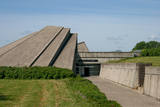 |
Ein am Ende des 19. Jh. gebautes Teil der Festung. Ein Museum, das Verbrechen totalitäre Regimes gegen Menschlichkeit wiederspiegelt. |
|
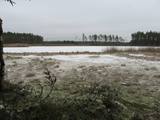 |
This is one of the most impressive and extensive natural structures of its kind in Latvia in terms of appearance and landscape. The ice age left behind this wall-like terrain, which is up to 27 metres high and at the top of which the Rīga-Ērgļi road has been built. The Great Kangari hills offer a view of the Great Kangars lake and the Great Kangari swamps and ponds. The Ķoderi castle hill, also known as the “Big Man’s Bed” is found here. The restricted area was established to protect the structure and its related biotopes and plants.
|
|
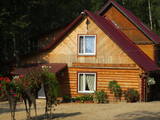 |
The guesthouse breeds cattle, grows fruits and vegetables, produces dairy and meat products, boils cheese on a campfire, teaches people how to make cheese, bakes bread according to ancient recipes, and offers Lettigalian weddings. |
|
 |
Restaurant Agnese takes you on a culinary tour around the world. Local fruits of nature and produce by farmers are prepared with love, highlighting the value of Latvian flavours. The menu also includes several globally recognised recipes. |
|
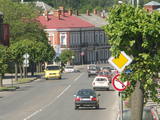 |
"The heart of Latgale", where during the 9th – 12th century stood a fortified Latgalian castle. In 1285 Livonian Order began the construction of stone castle instead of Latgalian castle. After the collapse of Livonia (Rezekne in the composition of Poland) the city languished. Economic life in Rezekne restored in the second half of the 18th century. After the construction of St. Petersburg – Warsaw highway (1836) and railway (1861), Rezekne became a holiday destination for holidaymakers from St. Petersburg. During the World War II, buildings of the city significantly suffered. Today the town is an important economic and cultural centre of Latgale region. |
|


