
| No | Name | Description |
|---|---|---|
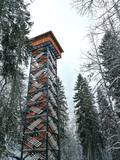 |
Dabas liegumā "Lielie Kangari" atrodas 33 metrus augsts skatu tornis, kura virsotnē atrodas platforma, no kuras paveras skats uz Kangaru ezeru un Lielkangaru purvu. Dabas liegumā izbūvēta arī nepilnu divu kilometru gara pastaigu taka ar tiltiņiem un skatu platformu pie ezera. Takas sākumā izvietotais veselības maršruts ikvienu apmeklētāju aicina kārtīgi izvingroties un izkustēties. Apmeklētāju informēšanai un izglītošanai visas takas garumā izvietoti arī informatīvie stendi ar fotogrāfijām, kas apvieno varenu stāstu un teiku kopumu par notikumiem, vietām, tēliem un parādībām dažādās apkārtnes vietās. |
|
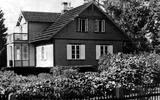 |
Reinis Kaudzīte, co-author of the first Latvian novel “Times of the Land-Surveyors” (“Mērnieku laiki”) stayed in Pēterupe Village from 1913. |
|
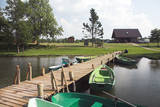 |
This centre offers recreation in a lovely venue on the banks of Lake Zvirgzdi without overnight accommodations. There is a lovely sandy beach for swimmers, as well as boating and fishing. Children can ride a water bike. Active leisure with a country sauna. There is a guesthouse with two rooms for eight people, as well as six camping trailers, 18 sites for tents, and an opportunity to rent a boat. |
|
 7 days
|
Этот маршрут предлагает вам отличную возможность посетить самый большой остров Эстонии – Сааремаа, который является своеобразным символом для туризма по Эстонии. На острове находятся один из наиболее впечатляющих метеоритных кратеров в Северной Европе, Епископский замок Курессааре, самая крутая отвесная скала в Эстонии и множество других интересных туристических объектов. |
|
 16 days
|
This grand hiking tour is provided for experienced hikers wishing to walk along a large part of the coasts of Latvia and Estonia, gain a detailed impression about the diverse coastal landscape, nature, birds and animals of the Baltic Sea. The Baltic Coastal Hiking Route sometimes runs through sandy beaches, sometimes along sections of beach covered in stones and pebbles. Sometimes the trail goes through coastal forests or stops at a fishermen’s village. There are many floodplain meadows, lagoons and shallow bays on the Estonian side, so sometimes the path goes along coastal trails and roads. In the end section of the route you will feel Estonia’s Nordic nature more. Part of the route runs along a sparsely populated seashore where you can be alone with yourself, but you will also be able to visit the most prominent cities. You will visit both capitals: Rīga and Tallinn. Enjoy the hospitality of the resort towns of Jūrmala, Pärnu and Haapsalu. During the hike, you will also get acquainted with the regions of small ethnic cultures: the Livonians in Latvia and the inhabitants of Kihnu in Estonia. |
|
 |
Meklējams pie Pāvilostas tilta pār Saku (Meža iela). Te apskatāms 2005. g. restaurētais un uz postamentiem novietotais Pāvilostas zvejnieku kuģis, ar kādu tie zvejoja pagājušā gadsimta 50. – 60. gados. Šāda tipa kuģus būvēja Vācijas Demokrātiskajā republikā. |
|
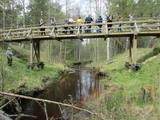 |
A bridge for pedestrians and bicyclists, which is on the border of the Slītere National Park. |
|
 |
The Cemetery of the Brethren of
Lāčukrogs offers a final resting place to
men who fell during World War I.
|
|
|
|
At the Žīguri Parish kindergarten, guests are offers a guided tour of forest life. The owner’s stories about the forest and its residents will be of interest to everyone. The Anna Āze Forestry Museum offers some of the true treasures of Latvia’s surprising forest world. It has been declared the best destination for families in Latvia.
|
|
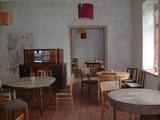 |
The manor was established in the 19th C. Today its mansion houses a restaurant where chefs cook affordable and simple dishes from local produce following principles of Estonian cuisine. Menus are always displayed and daily updated on the website, motorists in transit and group bookings are equally welcome. |
|
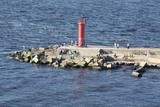 |
The Eastern breakwater was installed in the mid-19th century to reduce silt in the river valley and to regulate the flow of water. It is made of wooden pilings that are covered with rocks. The breakwater is 2.2 km long and has been rejuvenated as a popular place for hiking, leisure and fishing throughout the year. Birds can be watched from the breakwater, and sometimes people are lucky enough to spot a seal. At the start of the breakwater are two rocks with engraved text to say that the site was visited by Russian Tsar Alexander II in 1856 and by his heir, Nikolai Alexandrovich, in 1860. This points to the importance of the Rīga port in terms of Baltic Sea trade routes at that time. |
|
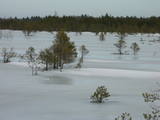 |
A comparatively large swamp to the North of the Zaļā dune, this is an important place for sulphurous waters, just as is the case with Zaļais swamp. The swamp is cut in two by the 3.5 km Ķemeri-Antiņciems road, from which interesting landscapes can be seen. The road is not appropriate for cars, however. To the East of Raganu swamp is Lake Putnezers, which is difficult to access. There is a small car park with an information stand on the shore of Lake Melnezers alongside the Ķemeri-Jaunķemeri road. The historical and overgrown Old Ķemeri road can be used to get to the seashore from this location. |
|
 |
The family company in the centre of Trikāta prepares a variety of chocolate delicacies - truffles, chocolates figures. During summer you can buy ice-cream made from the milk and cream of local producers. |
|
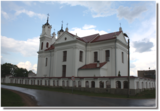 |
The Dviete Catholic Church is in the centre of the small village of Dviete. The white church can be seen from a distance. The first wooden church was built here in 1775 by the owner of the local estate, Count J.K. Wischling. Later the church was dismantled and brought the Zarinki cemetery. The Neo-Baroque Catholic church that is seen today has two towers, and its construction was financed by Count Kazimir Plater-Sieberg. The church was destroyed during World War I, and until it was rebuilt and consecrated, the granary of the Dviete Estate magazine, with its ridged roof, was used as a prayer house. It is on the side of the Dviete-Bebrene road and has recently been restored. In 1940, a stone fence was installed around the church with a tiled roof, and a building for the congregation was built in the 1970s. The church features a particularly ornate sacral Baroque interior, which is seen as the most ornate interior of its type in the former Daugavpils District. |
|
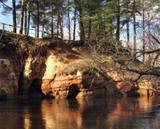 |
Taka ved gar Vaidavas krastu, kur iespējams veldzēties dabas skaistumā, kāds vērojams tikai šeit. Starp Apes vidusskolu un kapsētu Vaidavas upes kreisajā krastā ir izveidojušies 8 - 10 m augsti, līdz pat 100 m gari smilšakmens atsegumi - Raganu klintis. To lejasdaļā upes straume izskalojusi nelielas nišas. Pie klintīm pāri upei izveidots gajēju tiltiņš uz otru krastu, no kura klintis paveras visā savā krāšņumā. Te ir teikām un nostāstiem apvīti avoti un alas. Avots ar skaidru ūdeni iztek no vietas, kur Vaidavas upes smilšu klints krasts ir augsts un stāvs. Senāk vietējie ticējuši, ka tas ir veselības avots, jo daudzi to lietojuši dažādām acu slimībām.Dīvainos dabas objektus – Vilkaču priedi un Dvīņu priedes, Raganu slotu, “raganu apļus”, “raganu kaulus” u.c. te var apskatīt un vides gida vadībā mēģināt izprast to veidošanos
|
|
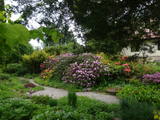 |
This guesthouse and dendrological garden are found near Kuldīga, and its pond has trout and carps. The Sauleskalni arboretum is alongside the guesthouse. It was established in 1960 and features some 100 types of plants and bushes, including 25 local types and 16 types of rhododendrons. Unique samples include a 50-year-old magnolia tree, a 45-year-old smoke tree, a maidenhair tree, and others. Donations are accepted. The owners will discuss history and the gardeners who created the garden. Various plants are available. |
|
 12 days
|
This route includes some of the most authentic experiences that can be found in the regions of blue lakes in eastern Latvia and Lithuania. No masses of tourists are here, and local residents are sincere and hospitable. You will find traditional villages, many religious objects and farms that represent agricultural heritage. You will ride through the Rāzna National Park, which is alongside the lovely Lake Rāzna. You will visit traditional farms and ancient castles, as well as the Aglona Basilica, which has been a destination for pilgrims for many years. There is also a bread museum in Aglona. From there you will ride through Daugavpils, which has an impressive 19th century fortress that includes the Mark Rothko Art Centre. Along the way you will find potteries where traditional ceramics are offered. You will learn more about breeding horses and cows, as well as about how traditional cheeses are made and herbal teas are prepared. Next you will ride through the Aukštaitija National Park that is on the border between Latvia and Lithuania. You will see ethnographic villages with wooden castles, as well as many lakes. It is worth visiting the Stripikiai Beekeeping Museum, the local open-air art museum, as well as the European Centre. To be sure, you will enjoy local Lettigalian beer, as well as zeppelins, which are a traditional dish in Lithuania. |
|
|
|
Skuķu un netāli esošais Dvietes ezeri ir vieni no teritorijas grūti pieejamajiem palieņu ezeriem – lielākie šāda tipa
ezeri Latvijā. Palu laikā pārplūst, savienojoties vienā lielā ūdenskrātuvē.
|
|
 10 days
|
From Riga the tour goes to Sigulda where you can see the Olympic Bobsled truck, visit Sigulda medieval castle and take a cable car across to Turaida medieval Castle with beautiful views across the Gaujas Valley. Kids would love activities at the adventure centre Tarzans. At Ligatne walk Nature trails to see the local wild animals at their enclosed territories and wonder around the historic village originally formed around the Paper Mill. Further on visit impressive medieval castle ruins at Cesis town and the picturesque Devonian Zvarte outcrop at Karli. Then the route goes along the coast with sandy beaches great for walking, playing and swimming. There visit museum of the biggest liar in the world - Munhauzen and listen to his fantastic adventure stories. Then the route goes to the Western part of Latvia and focuses on the sea and coastal life. From Riga visit the sea resort Jurmala, stop at Pure Chocolate Museum and then continues to Cape Kolka where open sea meets Riga Bay. There explore trails at Sliteres National Park, visit villages of Livs which is one of the smallest ethnic nations in the world, enjoy freshly smoked fish. At Ventspils enjoy endless facilities for children - kids town, narrow gauge train, aqua parks, well equipped beach and adventure park. On the way to Riga visit charming Kuldiga with well preserved wooden architecture and stop at the farm where kids could enjoy different farm animals |
|
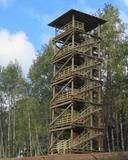 |
Atrodas Numerenes dabas parka teritorijā. 20 m augstais tornis uzbūvēts uz t.s. Numerenes vaļņa, no kura paveras plaša ainava un aizaugošām lauksaimniecības zemēm un nelielu mitrāju ar Kugreņa ezeru austrumu virzienā. Torņa apkaimē izveidota izziņas taka. |
|


