
| No | Name | Description |
|---|---|---|
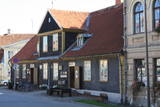 |
Painted in dark colours, this building dates back to the 17th century (the square around it is cited in documents). The city’s first prison was in the cellar of the building, and the square was historically a place for residents of the city could gather and suffer punishments. A pole of shame was at the south-eastern corner of the square. The building now houses the Kuldīga Tourism Information Centre and a workshop for weavers. Visitors can purchase products and souvenirs from Kurzeme and watch weavers at work. |
|
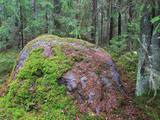 |
The Grandboulder of Komultēni is situated in Sakstagals rural municipality in the forests; around 700
m from Jēkabpils – Rezekne road to the NE of Komultēni. The flat top and the sides are cracked. Boulder consists
of the magmatized gneiss. The circuit of the boulder is 15 m, length 5 m, width 3 m, height 1.8 m,
capacity about 20 m3.
|
|
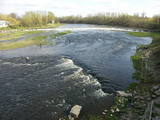 |
Above and below the town of Kuldīga, the Venta River is distinguished by a variety of biotopes – hillside forests, sandstone and dolomite cliffs, meadows, protected plants and animals, and diverse landscapes. There are popular tourism objects in this part of Kurzeme – the Venta dam, the stone bridge of Kuldīga, the Veckuldīga castle hill, etc. An ecological tourism trail runs along the banks of the Venta, and a bicycling trail has been installed on its left bank. |
|
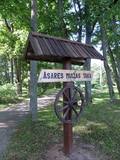 |
Asares muižas romantiskā stila dendroloģiskais ainavu parks veidots 18. gs. un papildināts 19. gs. 2. pusē. Muižas parka teritoriju ieskauj laukakmeņu mūris. Bet parkā sastopamas daudz interesantas krūmu un koku sugas: Sibīrijas baltegles, Eiropas lapegles, duglāzijas, šķeltlapainie baltalkšņi, Švedlera kļavas, košumkrūmi, dažādi lakstaugi. Liepu alejā - 2 dižkoki. Tempļa kalna atjaunotajā lapenē - muižnieku tējas dzeršanas vieta ar skatu uz pili. |
|
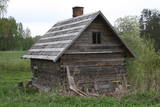 |
Divas mazas apdzīvotas vietas nacionālā parka dienvidrietumu daļā. No kādreiz piecām Kolski ciema saimniecībām līdz mūsdienām ir saglabājusies tikai viena. Kolski iedzīvotājus līdzīgi kā citviet Baltijas valstīs pēc 2. pasaules kara deportēja uz Sibīriju. Kolski apkārtnē redzamie mājdzīvnieki „apsaimnieko” šejienes pļavas, neļaujot tām aizaugt ar mežu. Tādējādi tiek uzturēta apkaimes vēsturiskā ainava. 3 km dienvidrietumos meklējams Kobasāres ciems. Tā nosaukums (koopa no igauņu valodas nozīmē ala, saar – sala) atgādina par Ziemeļu kara notikumiem, kura laikā cilvēki slēpušies pašu raktās alās. Kobasārē un tam blakus esošajā Apjas (Apja) ciemā var izbaudīt patiesi 21. gadsimtam nepierastas lauku ainavas. |
|
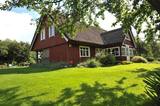 |
This guesthouse is on Rusen Island near the shore of the Pakalne River. The owners collect plants, process them in accordance with folk recipes, and then offer various teas, infusions and other beverages that have medicinal properties to improve people's moods and their tonus. |
|
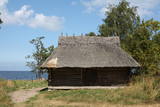 |
Altja village in Lahemaa National Park was first recorded in writing in 1465. It is a typical seaside village with houses along one street. Traditional farmsteads of Uustalu and Toomarahva from the late 19th C are open to visitors. Renovated fishnet sheds are located on Altja Cape. The village has a swing and a tavern (Altja Kõrts) providing national food |
|
 |
The saloon is on the edge of the Murjāņi-Valka road (A3) and is easily recognised because of the building and various fairy tale characters in the yard. Latvian cuisine: Cold soups (beet, bean, sauerkraut, sorrel), roast leg of pork, blood sausage, pork ribs, berry dessert with toasted oats, stacked rye bread. Special foods: “Fiery Soup of the Ragana Kitchen”. |
|
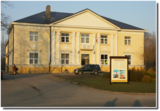 |
Although out of 104 village houses 97 were destroyed during World War I, at the end of the 30ies of the 20th century Lapmezciems "recovered" fast, and one of the most powerful coastal fishermen cooperatives in Latvia were operating in it. During the Soviet times here one of the largest fishery collective farms – "Selga" was founded here, the blocks of which can be seen at the mouth of the Siliņupe River. Today Lapmezciems is a popular area for summer cottages, a recreation and bathing place. As an interesting history monument of fishery the sedum of Lapmezciems is available for viewing – it is the former wharf of fishing boats, where fishermen built nest cabins and stored their equipment. Between Pīlādži Street and the left bank of the Siliņupe River in the 3rd and 2nd millennium BC settlement of fishermen and hunters were located, where a memorial stone is erected. This is the most ancient known location populated by humans within the territory of Kemeri National Park. Part of the findings is displayed at Lapmezciems museum, where local history research exposition is formed and materials about Finnish Jeager fights within the territory of Klapkalnciems are gathered. |
|
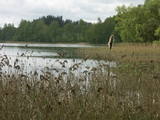 |
Vairākas salas Zvirgzdenes ezerā, uz kurām saglabājušies platlapju (ozolu, liepu) meži ar bagātīgu zemsedzes floru. Salas var redzēt no ceļiem, kas piekļaujas ezera ziemeļu un austrumu krastam. |
|
 6 days
|
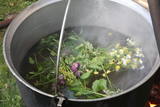
Latvians live in close connection with nature and annual circle of life. The ancient knowledge how to use the goodies of the nature is still very much alive. Wild mushroom and berry picking is very popular as well as collecting of herbs and flowers for teas and infusions. This tour is trying to give an insight of various angles how to use and enjoy nature's resources. The route goes to Kemeri National Park which is rich of flora and also interesting for its sulphur springs which water is used to improve several health related problems. Then you visit farm which specialises on herbs and teas where owner is keen to share her knowledge about different properties of the plants and how they can be used. Then there is a sightseeing at picturesque Kuldiga and proper fishermen soup on bone fire by the coast at Pavilosta. Next day short trip in the river by traditionally made fishermen boat and experience trip how to make meals using wild products. Sightseeing at Liepaja with white sandy beach and exiting military heritage. Overnight at the Pape Nature Reserve. There is a chance to fish in the lake and learn traditional fish smoking technique. Visit Rucava tradition house where you can feel and see ancient cultural environment and try typical meal. Then you visit Shitaki mushroom grower and could taste them. Afterwards visit to herbal tea growers and producers. Excursion to reproduction of ancient Semigalian Castle. Next day wild mushrooming expedition into forest awaits and preparation of collected ingredients. In the afternoon visit to the producer of products from birch juice where you could learn how to extract the juice from the birch tree and try its juice and sparkling wine. Then back to Riga. |
|
 |
The cafe Baravika is situated in the centre of Rezekne city. It offers a wide variety of dishes. Working hours: Mon-Fri 8.30 līdz 18.00 |
|
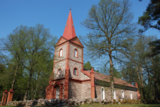 |
The church was built in 1835, and its greatest treasure is the organ, which was built by Karl Bittner in 1854. The manse is being restored. Boats are available for rental. |
|
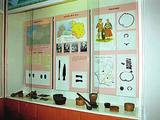 |
Viļāni Museum of Local History. Permanent exposition of the
town history from the ancient times to nowadays. Tours in Viļāni.
Working hours: Mon– Fri : 8.00 – 12.00,13.00 – 17.00, Sat., Sunday : closed |
|
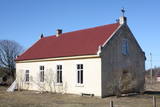 |
This is a simple one-story building with a cross on its roof. The Pitrags congregation was established in 1890, but the church was built in 1902. It was restored after a World War I fire in 1925 and 1926, and restored again during the period of Latvia's restored period of independence. |
|
 1 day
|
Ekskursijas laikā apmeklējiet dabas taku, kura izvijas augšup un lejup gar Pilsupes lejteces stāvajiem krastiem un atklāj skaistus skatus uz trīs balto smilšu atsegumiem, no kuriem vecākais ir 6000 gadu vecs. Pēc tam apmeklējiet Kubalu skolu - muzeju, kur redzēsiet, kādas izskatījās skolas 19 gs. Klasē Jūs sagaida senie skolas soli, tāfelītes, tinte un rakstāmspalva. Tālāk dodieties uz dabas parku, kurā izveidota Bišu taka. Iespēja kāpt kokā ar dzeiņa palīdzību, liet vaska sveces un iepazīt dažādos biškopības produktus. Ekskursijas noslēgumā dodieties uz mini zoo, kur ir iespēja apskatīt dažādus dzīvnieciņus - pundurkaziņas, punduraitiņas, mandarīnpīles. |
|
 1 day
|
Ekskursijas laikā apmeklējiet dabas taku, kurā ir iespēja iepazīt Amatas novada dabas objektus gar Kumadas upes, Dančupītes un Amatas upes krastu. Pēc tam apmeklējiet Cēsu pils kompleksu. Viduslaiku pils sniedz iespēju iejusties 800 gadus tālā pagātnē, uzkāpt ar sveču lukturīšiem Rietumu tornī, nokāpt cietumā, kā arī redzēt, kā kalējs darina latgaļu rotas. Blakus esošā Jaunā pils ir 18. gs. celta pilsmuižas kunga māja, kurā tagad atrodas Cēsu Vēsture un Mākslas muzejs. Ekskursijas noslēgumā dodieties uz lauku māju Smiltenes novadā, lai iepazītu maizes cepšanu pēc sentēvu tradīcijām, kā arī pašiem izveidot savu maizes kukulīti. |
|
 |
The sauna and rest place Raudini is a place where you can rest in a comfortable quiet atmosphere, between the sea and the forest. You will be able to experience relaxation offered by a wooden-heated sauna, wisping with besoms, enjoying the sauna ritual to its fullest and drinking herbal tea. After the wisping you can cool off in the pond with water lilies and, to finish off your sauna ritual we offer chocolate or honey massages. Here it is possible to rest with your family or a small circle of friends, preparing a tasty meal on the outdoor terrace on the real wooden stove or fireplace. In the evening you will be able to watch the sunset rays in the tree spires. It is possible to use tent places outside for spending the night and wait for the sunrise near the sea. Quiet, peaceful and natural coolness. |
|
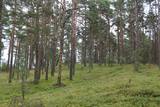 |
This may be an ancient cult object, and today it is a little hill in the dunes that is a bit larger than other local hills. It is said that a church once sank into the dune. This tale suggests that there was a Christian or pagan prayer place here at one time. (Source: Roja TIC) |
|
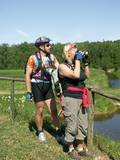 |
The barrow which offers a good view is at the northern end of the Dunduri meadows – at the end of Melnragi. It is an artificial barrow which follows along with the bed of the little Slampe River. The meadows are home to livestock allowed to live in the wild, and you can see a bit of the restored Slampe. The view is particularly interesting during flooding season, when the surrounding wetlands become saturated. This is a location for bird-watching.
|
|


