
| No | Name | Description |
|---|---|---|
 |
A café and bakery in Kuldīga that offers fresh, home-made pastries until the very evening. |
|
 |
Atrodas Lubāna dienvidu krastā pie dambja un Īdeņas kanāla, no kura var aplūkot „tipiskas” mitrāju ainavas – niedrājus, aplūstošus krūmājus, mitras pļavas, aizaugušo ezeru. |
|
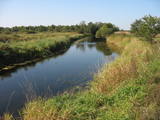 |
Palieņu un mitrās pļavas abos Dubnas upes krastos, kuras nelielā posmā var vērot no Rožupes - Vārkavas ceļa. Piemērotā laikā šeit dzirdēsiet griezes balsi, kas ir Eiropā izzūdoša putnu suga.
|
|
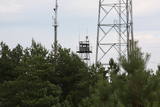 |
The military communications facilities at Pāvilosta are along the southern part of the town. The facilities are owned by the local government, and there is no information about their use at this time.
|
|
 |
In einem in der zweiten Hälfte des 19. Jh. errichteten Gebäude befindet sich eine Sammlung vom Limbažu-Museum und das Touristeninformationszentrum. Blick auf die Altstadt vom Turm (der glässerne Boden). |
|
 |
Sudrabkalni – a former pharmacy and medical treatment facility until the late
1980s, then an elementary school, and now a private residence.
|
|
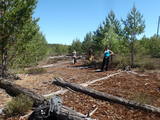 |
The Bažas swamp is the largest swamp in the Slītere National Park and is
entirely off limits to visitors.
|
|
 3 days
|
The tour starts and ends in Kaunas, Lithuania's 2nd largest city that was the capital of the country from 1920 until 1939. At Tadas Ivanauskas Homestead at Obelynė Park you will see a collection of 300 species and forms of plants, including some of the oldest trees on the planet – the ginkgo biloba and the dawn redwood. In Kaunas you will see the Oldest Apple Tree in Lithuania – almost 360years old, 8 metres tall, with a girth of 285 centimetres at a height of 1.3 metres. The Vytautas Magnus University Kaunas Botanical Garden exposes the Lithuanian Heritage flower garden plants according to their botanical classification. The Lithuanian Institute of Horticulture carries out both scientific and experimental/production activities. You can also buy seedlings, and seasonal fruit and vegetables. Home produced “Happy Foods” can be bought from Garsi Tyla homestead, and you can have a walk in their 100-year-old orchard and see the culinary herb garden. Burbiškis Manor and its beautiful landscape and sculpture park is a home to the annual tulip festival. Authentic homesteads representing Aukštaitija region can be seen at Kleboniškiai Rural Household Museum. Šiauliai University Botanical Garden demonstrates heritage rural plant gardens arranged according to the traditions of pre-war, inter-war and post-war periods. There are about 30 different species and varieties of plants growing on the grounds of the Baltic Plant Museum. The Liudvika and Stanislovas Didžiulis Homestead Museum garden features traditional Lithuanian apple tree cultivars, flowers and herbs. The A. Baranauskas and A. Vienuolis-Žukauskas Memorial Museum presents culture, literature, history, agrarian culture, and technical history in the Anykščiai region. Traditional Lithuanian flower garden can also be seen at the Bronė Buivydaitė Memorial Museum. In Anykščiai you can enjoy the Treetop Walkway and Labyrinth Park, and take a train ride on Aukštaitija’s narrow-gauge railway. In Traupis Botanical Garden you will find everything from perennial flower collections and rock garden to a flower clock and decorative pool with aquatic plants. The interior of the Taujėnai Manor house was decorated extensively with the Radziwiłł family’s portraits, sculptures, hunting trophies, and antique weapons. In Ukmergė District, visit President Antanas Smetona’s Užugiris Manor, which now houses a memorial museum in his honour. At the end of tour, you will visit the Open-Air Museum of Lithuania, one of the largest (194 ha) and most abundant (91,420 exhibits) open-air ethnographic museums in Europe. |
|
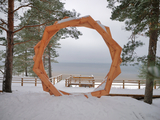 |
A new section of the walking trail along the sea has been built and an environmental object "Sunset watcher" has been created in Saulkrasti near the White Dune and Sunset Trail. It is a photo object where the newlyweds and every guest of Saulkrasti can capture memories in the symbol of the sun, which is so characteristic of Saulkrasti. |
|
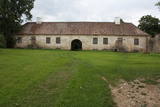 |
Kolga Manor with its impressive territory, several buildings and antique feel will not leave you unmoved! Kolga Manor was first heard about in 13th century but the manor we see nowadays was built style of Baroque in 17 - 18th century but in 1820's it was re-built in the style of Classicism. From the end of 17th century until 20th century it was the biggest Estonian manor. Now in these buildings is a guesthouse, a restaurant, conference centre and a museum. It's possible to hire a guide. |
|
 |
Находятся в 100 м к юго-востоку от Приекульского замка. Символ Приекуле, изображенный на гербе города. Ворота (1688 г., отреставрированы в 1954 г.) служили в качестве сторожевой башни сквозных ворот Приекульской господской усадьбы, где проводился досмотр торговцев (таможня), отправляющихся или приезжающих из Литвы. Интерес представляет родовой герб баронов Корфов выполненный в XVIII веке из голландского песчаника, с серебряным ядром и своеобразный маскарон в центральной части фасада. Во времена баронов в нишах по обеим сторонам стояли двухметровые, выполненные в камне, грозного вида фигуры стражников - солдат. Сегодня на их месте стоят деревянные фигуры стражников. |
|
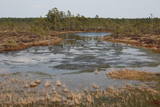 |
Iepazīstina ar Somā nacionālā parka lielākā purva – Kureso (Kuresoo) ziemeļaustrumu daļu, kur redzamas purva ezeriņu un lāmu ainavas. Takas sākumā atrodas igauņu komponista, ērģelnieka un folkloras vācēja Marta Sāra (Mart Saar) (1882. – 1963.) dzimtās mājas. To apkaimē pļavas apsaimnieko aitas. Lokveida takas garums ir 4,2 km. |
|
 |
The bakery and cafe in Saulkrasti – not far from Saulkrasti railway station. The baker offers pierogi, cakes and other baked goods, as well as dishes for all meals. A second café can be found at Raiņa Street 7 in Saulkrasti. Latvian cuisine: Cold soup, potato salad, sauerkraut, homemade steak haché, grey peas and bacon. Special foods: Pizzas cooked in a wood-fired oven. |
|
 2 days
|
This route leads through the Curves of Daugava nature park, which is an area that was once to be flooded for the construction of the Daugavpils hydroelectric power plant. The central artery in the park is the ancient Daugava River valley, and the specific here is eight grand curves with a length of 4-6 km. The highest banks of the river are at the so-called Daugava gate, with the mighty Ververi and Slutiški cliffs. More than ½ of the territory is forested for hiking, nature watching, berry picking and mushroom hunting. The Daugava River valley has one of the greatest diversities of flora -- >800 different kinds in all. This is also a multinational environment with Lettigalian, Lithuanian, Polish, Russian and Belarusian traditions and heritage. The Slutiški village, which is unique in Latvia, is popular among tourists. Route information from Latvijas Lauku forums |
|
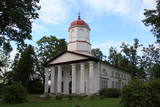 |
Mūsdienās redzamo (pēc skaita – trešo) baznīcu cēla laikā no 1835. - 1837. g. (ampīra stilā) Mārča Sāruma vadībā. Arī šīs ēkas projektēšanā par paraugu bija ņemts Pievolgas vācu baznīcu veidols, tādēļ tā līdzīga Dzērbenes luterāņu baznīcai. Dievnama altāri rotā Otto Donnera fon Rihtera glezna “Kristus debesbraukšana” (1898. g.). E. Martina firmā būvētās 10 reģistru ērģeles (1901. g.) darbojās arī šodien. Pie Drustu baznīcas atrodas 1932. g. atklātais un formās iespaidīgais (E. Kuraua firmas veidots) granīta piemineklis 1. pasaules karā un Latvijas Brīvības cīņās kritušo piemiņai. Nelielā baznīcas sienas nišā novietota piemiņas plāksne komunisma terora upuriem. |
|
 |
15.janvāra naktī Kalpaka bataljons izcīnīja pirmo kauju pie Lielauces, atvairot sarkano uzbrukumu. Tā bija pirmā nozīmīgā Kalpaka bataljona kauja, kad uzvara karavīriem deva īpaši spēcīgu morālu stimulu. 1934. gada 19. augustā pie Lielauces luterāņu baznīcas atklāja pelēkā granītā veidoto pieminekli Oskara Kalpaka bataljona pirmās kaujas vietā. Piemiņas zīme veidota pēc arhitekta P. Dreimaņa meta. Lielauces kauja notika 1919. gada naktī no 15. uz 16. janvāri starp kalpakiešu Cēsu un Virsnieku rotu no vienas puses un 2. strēlnieku pulka karavīriem. 50. gadu sākumā piemineklis tika iznīcināts, bet atjaunots 1991. gadā |
|
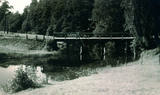 |
The River Pēterupe (46 km long) in its lower reaches flows by the sea, and it is one of the longest parts of the river along the picturesque coastline. In the past the River Pēterupe had several names: Pērļupe, Tarupe, Tara (in Livonian: the River of God or the Holy River). The historic area of Saulkrasti – Pēterupe Village was located on the right bank of the River Pēterupe. |
|
 |
The "Magdalena" café is in the centre of Saldus. Latvian cuisine: Sauerkraut, dumpling, beet, sorrel and cold kefir soup, potato pancakes, crepes, sautéed pork ribs, homemade steak haché, farmers’ treats, oatmeal cream, stacked oatmeal or rye bread. |
|
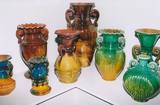 |
This museum is devoted to the career of the ceramist Polikarps Čerņavskis. His work featured light, yellowish and very bright glazing. Guided tours of the museum are available. There are demonstrations of the use of the potter’s wheel. Ceramics can be purchased, and visitors can attend the opening of the kiln. Special works can be commissioned.
|
|
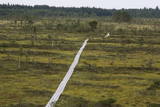 |
The tower is in the western part of the Vasenieki swamp, and an interesting nature trail with information stands and pathways was recently established there. The tower offers a look at unique swampland – visitors can survey the entire swamp. Wear proper footwear when it is damp outside!
|
|


