
| No | Name | Description |
|---|---|---|
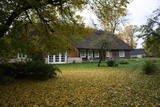 |
Ethnographical guesthouse in the historical Paenese, Muhu island
|
|
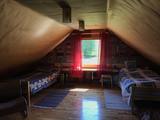 |
Bed & breakfast "Upes", in the centre of Livonian village Pitrags. Natural toilet. Local products. Lunch boxes, transfer service on request. |
|
 |
Autentiskā Zypliu muižas vidē izveidots restorāns. Kulinārais mantojums - Lietuvas muižniecības ēdieni. Ēdināšana, degustācija, izglītības programmas. |
|
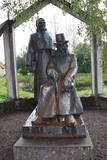 |
The monument is next to the Vecpiebalga Cultural Centre. Its architect was Ausma Skujiņa, and the sculptress was Maija Eņģele. |
|
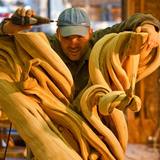 |
The master craftsman uses natural wood to produce furniture and interior design elements. He uses the tree from the tip to the root. Each artwork accents the form and texture of the wood, and the workshop offers an unusual look at wood and people. You can attend educational events and commission and purchase gifts and souvenirs. |
|
 |
The main building of the grand manor Alatskivi has a restaurant serving local specialities. The rich history of the manor house connects Estonian peasant culture, Baltic-German culture and Scottish culture depicted in the manor's architecture. The restaurant menu combines these three values. Favourites of the guests are Peipus pike perch and pork chop, but many guests also love the surprising Scottish dessert and local onion jam. |
|
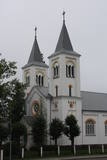 |
The church was built in the Neoromantic style between 1936 and 1939 on the basis of a design by the architect Pavlov. It was consecrated before the completion of construction, this happening in 1937. The church honours the Anguished Mother of God, and the central altar is dedicated to her. Icons in the building date back to the early 20th century, and a statue of the Fatima Mother of God is in the yard near the entrance. |
|
 |
The saloon is on the Rīga-Liepāja highway (A9) at the 72nd km road marker. Live music evenings are organised. Latvian cuisine: Vidzeme salad, herring with cottage cheese and soured cream, grey peas with bacon, sautéed cabbage with sausages, cabbage rolls, potato pancakes, bread soup, stacked rye bread. Special foods: “4 vēji” – pork with sauerkraut and potatoes on a hot pan. |
|
 |
Neliela apdzīvota vieta, kuras apkārtnē jau izsenis iegūta kūdra un ārstniecības dūņas, kas izmantotas Ķemeru kūrortā. Kūdrā atrodas padomju laikā celtā dzelzsbetona rūpnīca, kura nodrošināja ar būvniecības materiāliem tagadējo Kauguru mikrorajonu.
|
|
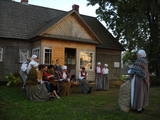 |
Latgalisko tradīciju un prasmju māja “Ambeļu skreine” ir latgalisko vērtību glabātāja un popularizētāja. Interesentiem tiek piedāvātas interaktīvas aktivitātes latgaliešu kultūras garā, dažādas meistarklases. “Ambeļu skreinē” tiek svinēti gadskārtu svētki un izkoptas dažādas amatu prasmes. Te notiek danču vakari, dziedāšana, zīlēšana, tiek cepta maizīte, siets siers un tiek veidotas tautas lietišķās mākslas izstādes. No mājas paveras brīnišķīgs skats uz Višķu ezeru un Latgales krāšņajām dabas ainavām. |
|
 |
From the berries and fruits that grow in the wonderful Võrumaa hilly area, farmers make wine, introduce guests to their garden, explain the wine making process, organise tastings and classes. |
|
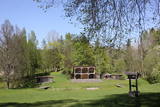 |
The location requires a drive through the Pērlis forest and sparsely populated areas. Silmači features an open-air stage, which was built in the 1980s for just one performance that was staged by the Latvian National Theatre during the Summer Solstice celebration in 1986. Ever since then, Rūdolfs Blaumanis’ famous play “Tailor Days at Silmači” has been performed here during the season. Alongside the stage is a museum that features information about the single performance in 1986. An original manuscript of the play (1902) can also be viewed. |
|
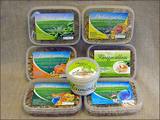 |
The farm produces mixes involving seeds from various plants – ones which are very healthy in terms of human nutrition. Visitors will hear stories, purchase products and taste hemp pancakes. The tour takes place at the “Mazais Ansis” saloon. |
|
 |
Avinurme Cultural Heritage Centre exhibits displays of local cultural history and runs workshops for woodwork and handicraft. Old workbenches are used for carpentry, and spinning and weaving skills can be honed too. 1-3-hour programmes are available for groups. |
|
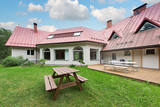 |
Conference and recreation center "Zvīguļi" is located in the territory of Gauja National Park, 10 km from Sigulda - with picturesque and untouched nature on one side and Sigulda highway (A2) on the other. From the inner courtyard there is a forest, from which, walking along a relief, nature-created and well-groomed path, you will reach the bank of the river Gauja in 15 minutes. It offers accommodation in rooms of different comfort or in a common room. There is a spacious and modern kitchen. The guest house also has a quadruple Finnish sauna. If necessary, catering will be provided by our partners. Active leisure opportunities nearby - toboggan run, bicycle rental, fishing, boating, quad and motorcycle track, horse riding. |
|
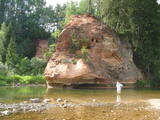 |
This is one of the most beautiful and popular tourism locations in Vidzeme. The cliff is 45 metres high, and the height of the lovely open-faced portion is around 20 metres high. You can look at the wide and deep Amata River valley and its forested banks.
|
|
 5 days
|
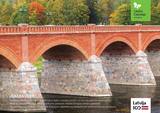
Duke Jacob of Courland was a ruler of the Duchy of Courland and Zemgale for 40 years (1642-1682). There were great changes during his rule, with the ship building industry developing rapidly, the first factories appearing, and agricultural output improving. The duke had a large fleet that brought grain, meat, butter, wool, timber and all that was manufactured at baronial estates in Zemgale and Courland to Western Europe. The fleet was so big and strong that its ships sailed not just to Europe, but also all the way to Tobago and Gambia, where colonies were established to bring sugar, coffee and spices to Europe. The duchy built ships, manufactured paper and saltpetre and wove textiles, brocade and tapestries. Iron manufacturing was highly developed, and ore was imported from Sweden. This made it possible to forge nails, anchors, bells, cannons and other firearms. The duchy produced vodka, vinegar and gunpowder for which there was great demand in Europe, because there were attacks and defences that required it. As much as 25 tonnes of gunpowder were produced each year. One of the gunpowder towers is still in Kandava, though it has been rebuilt many times. The duchy manufactured sails and ropes, as well as hemp ropes. It was said that the fleet of the Queen of England would not have existed without those ropes. The duke also thought about selection of grain, bred livestock, improved land with land reclamation and tried to expand output from his fields. Jacob did not manage to do everything that he wanted to do. A canal to avoid the Venta rapids was not finished, and plans such as the colonisation of Australia were not finished. Yet the era of Duke Jacob was a period of great change in the territory of Latvia, and it has not gone unnoticed that the great achievements of the duke occurred on a small plot of European land. That proves that wise management can ensure lots of progress. |
|
 |
The café and guest house, located in the centre of Ventspils, is housed by a classical 19th century wooden building that used to belong to the Kupfer family and is listed as European Heritage. Latvian cuisine: farmer's breakfast, oat or semolina porridge, potato pancakes. |
|
 8 days
|
This tour has a very summery feel since it never wanders too far from the sea. Latvian sea resort Jurmala attracts with characteristic wooden cottages from the 19th century, Dzintari concert hall and a lively beach. Cape Kolka is located in Slitere National Park which also includes the traditional villages of the smallest ethnic group in the world, the Livs. Enjoy empty beaches and locally smoked fish. Ventspils is an immaculately maintained town with a medieval castle and well equipped beach. Pavilosta is Latvia's unofficial windsurfing capital, while Palanga in Lithuania has an excellent amber museum. Lithuania's pearl is the Curonian Spit and its lagoon which attracts with its vast sand dunes and Nida, a charming village with a Thomas Mann Museum. Back in Latvia, Liepaja is an exciting city with a historic quarter, beach, lively restaurants and clubs and a distinctive millitary heritage in the form of former naval forts and a military zone. Kuldiga is loved by artists due to its picturesque little cobbled streets with wooden houses and the Europe's widdest waterfall on the Venta river. |
|
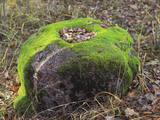 |
Zīleņu Sacrificial Boulder.You will find it on Zelenpole Golden hill beside the escarpment. The boulder
has an annular curvy. It was an ancient Latgalian cult place where people sacrificed to Gods, released themselves
from the bad things and took a positive energy.
|
|


