
| No | Name | Description |
|---|---|---|
 |
The farm specializes on growing and reprocessing cranberries and blueberries. They offer tastings of the products and purchasing those in a small local shop, as well as a 2-hour-long excursion around the farm. |
|
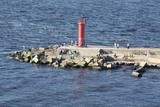 |
The Eastern breakwater was installed in the mid-19th century to reduce silt in the river valley and to regulate the flow of water. It is made of wooden pilings that are covered with rocks. The breakwater is 2.2 km long and has been rejuvenated as a popular place for hiking, leisure and fishing throughout the year. Birds can be watched from the breakwater, and sometimes people are lucky enough to spot a seal. At the start of the breakwater are two rocks with engraved text to say that the site was visited by Russian Tsar Alexander II in 1856 and by his heir, Nikolai Alexandrovich, in 1860. This points to the importance of the Rīga port in terms of Baltic Sea trade routes at that time. |
|
 |
Meklējams Matsalu līča dienvidu krastā pie Kēmu ostas (Keemu sadam). Blakus sešus metrus augstajam metāla – koka tornim uzcelts neliels apmeklētāju centrs. Tāpat kā no Haeskas torņa, arī no šī paveras viena no izcilākajām Matsalu līča un tā piekrastes ainavām. Laba putnu vērošanas vieta migrāciju laikā. |
|
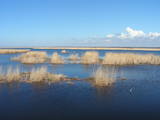 |
This is a shallow lagoon-type lake which, along with the area around it, is a wetland of international importance. The presence of 271 species of birds has been found in the area, including 43 birds which are listed in the Latvian Red Book and 15 that are listed in the European Red Book. The nature park includes the Nida swamp and the part of the sea which is alongside the park - newly estabilshed sea protected area "Nida - Pērkone". Between Lake Pape and the Baltic Sea we find Latvia’s oldest bird ringing station, where rings are attached not only to birds, but also to bats. Lake Pape is the first territory in Latvia where livestock adapted to life in the wild have been released for the proper management of the lake’s flood-land meadows. First there were wild horses (“Konik” horses), then aurochs and the European bison. Visitors can use bird and nature observation towers, nature trails, etc. The Ķoņi village is a unique example of a seaside fishing village. Pape is popular among bird-watchers, and the park’s visitors centre is found in the “Nature House” of the Worldwide Fund for Nature. |
|
 |
This company has, for the past 16 years, produced classical candies of honey, peppermint, ginger and buckthorn, as well as other products. It also offers juice made of the common stinkhorn mushroom – a medicinal substance well known in Latvian folklore. You can purchase the products that are on offer. |
|
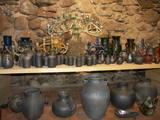 |
You can visit the workshop, watch the craftsman at work, try your own hand at the process, and purchase clay objects, including garden ceramics. There is also a lovely garden to view. |
|
 |
Kakaiši is found 1 km to the South-West from Vecpiebalga, in the tiny village of Kakaiši. The Latvian writer Antons Austriņš (1884-1934) was born there and went to school in Vecpiebalga. Austriņš is best known for the short story collection “Puiškans” (1931). The museum features various rural objects, things associated with the author, and exhibits such as his collected works and other books that are worth visiting in the company of a guide. |
|
 |
After the death of the Kalnasikšņi oak tree, which was the mightiest tree in the Gauja National Park, the mighty Kvēpene oak tree has taken over that role. It has a circumference of 6.1 m, a height of 20 m, and a crown which measures 28 x 30 m. The beautiful tree is on the right bank of the Gauja River valley and is one of the most excellent trees in Latvia. Near it is the forested Kvēpene castle hill, as is the Svētavots stream, which is reputed to have medicinal waters. To the North of the castle hill is the Rūsiņš hillock, which offers a good view of the surrounding forests, the towers of the city of Cēsis, Ieriķi, and the Rakšupe estuary at the Gauja. There is a bench at the top of the hillock from which lovely sunsets can be seen. |
|
 |
Atrodas Īvandes dienviddaļā, Vankas upītes krastos. Ūdensdzirnavas celtas 1842. gadā (par to liecina arī sienā iemūrēts dzirnakmens) un darbojas joprojām. To iekārtas ir saglabājušās no 1930. gada. Divstāvu ēka apskatāma no ārpuses, bet iepriekš piesakoties, - arī no iekšpuses. |
|
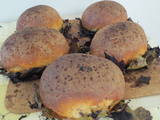 |
The owner of the bakery bakes bread on maple leaves in accordance with ancient recipes. She also bakes three-layer carrot buns (rye flour, potatoes and carrots). You can learn about the baking process and then taste and purchase the finished products. The lady of the house demonstrates and teaches traditions related to the baking of bread and carrot buns. While the buns are in the oven, she will talk about the Suiti region and offer a look at Suiti folk costumes. |
|
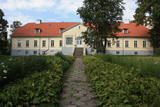 |
Находится ~ в 1 км на восток от центра Априки. Дворец господской усадьбы (стиль барокко) строился с 1742 по 1745 гг., а башня неоготического стиля как пристройка возводилась в конце XIX века. На фронтоне главного фасада дворца выполнен рельеф из песчаника с гербом родов баронов Остен – Сакенов и Корфов, который является самым роскошным элементом среди подобного рода имений Латвии. В здании сохранились и первоначальные элементы интерьера (осматриваются в сопровождении гида) – дверные створки, расписанная голландская печь, оконные дубовые ставни, коробки, чеканные металлические детали и паркет. В комплекс господской усадьбы входит дом управляющего, дом прислуги, хозяйственные постройки и парк. С 1920 года во дворце господской усадьбы действует школа и устроен музей края, который непременно следует посетить! Сейчас в музее выставлена коллекция этикеток производимого в Латвии хлеба. В 1901 году господскую усадьбу приобрел Карл Густав Маннергейм (1867 - 1951), который был президентом государства Финляндии и легендарным автором системы фортификации линий Маннергейма - Зимняя война (1939 - 1940). |
|
 |
The cafe is situated in the shopping centre Sala in Jekabpils, on the right back of the river Daugava. The cafe’s premises are comfortable and decorated with fresh flowers. It is a place where you can have either breakfast, dinner or supper. Working hours: 9.00 - 20.00 |
|
 |
The outworker offers different garlic and other vegetable products: marinated garlic flowers, different mixed vegetables; dried garlic rusks, etc. The groups are offered food tasting. |
|
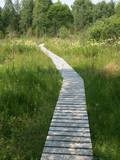 |
This small restricted area protects the Swedish juniper and the lime meadows in which it grows. There is a marked circular trail which allows visitors to study one of the few but excellent stands of juniper in Latvia. The bushes are 50 to 70 years old, and all around them are interesting habitats, plants and animals. Natural stands of juniper in the Baltic States are the result of farm work such as reaping, chopping, etc., as well as of herding of sheep and other livestock. A small part of the area is still “managed” by sheep. Unfortunately many junipers have died because of overgrowing of territory. |
|
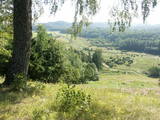 |
This territory was established so as to preserve the natural and cultural landscape of the most distinct part of the Alūksne highlands – a landscape which is made up of the highest hillocks in the area – Dēliņkalns Hill, Dieva Hill, Saules Hill, the Drusku castle hill, and the Kornetu-Peļļu sub-glacial river bed (one of the most significant terrain differences in Latvia). There are lakes, too – Lake Pilskalns, Lake Dzērve, Lake Ieva, Lake Raipals, etc. There are also significant biotopes – hillside and gully forests, various kinds of swamps and meadows, damp forests, etc., all with their own species of flora and fauna. There are nature trails and tracks for cross-country and downhill skiing in the area. There are three restricted natural areas in the territory – Korneti-Peļļi, the Avotu forest, and Dēliņkalns Hill. |
|
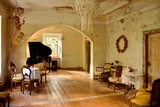 |
Iespējams apskatīt Kroņvircavas muižas kompleksu, kas bija pēdējā Kurzemes un Zemgales hercoga Pētera Bīrona lauku īpašums ar pili. To pēc hercoga pasūtījuma 1776. - 1785. gadā būvēja galma arhitekts Severīns Jensens. No hercoga pils līdz mūsdienām saglabājies vienīgi ziemeļaustrumu korpuss un virtuve kā atsevišķa ēka. Vispilnīgāk no muižas kompleksa ēkām saglabājušās Kavalieru māja, Pārvaldnieka māja, kurā tagad vietu radis projekts “Muižas istabas”, klēts-magazīna, stallis. Kroņvircavas muižas apbūve ir Valsts aizsardzības objekts. Pili ieskāva liels baroka stila parks ar ūdens parteru, kas kā muižas dārzs sākts ierīkot 1693. gadā. Šobrīd “Muižas istabās” saimnieko ģimene, kas vēlas saglabāt autentiskās mājas vērtības, iedzīvināt džezu uz “Muižas istabu” improvizētās skatuves, izstādīt mākslinieku darbus un svinēt svētkus. Aicinām apmeklēt vēsturiskā un kultūras mantojuma interesentus dzīvās mūzikas pavadījumā atklāt Vircavas bagāto vēsturi, ģimenes piedzīvojumus ar 250 gadīgo namu un sajust īpašo atmosfēru, ko novērtējuši daudzi mūsu apmeklētāji. |
|
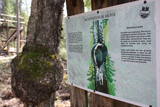 |
1,7 km gara lokveida taka, kas iepazīstina ar dažādiem meža biotopiem, to iemītniekiem un meža apsaimniekošanas pamatprincipiem. Apmeklētāju ērtības nolūkā ir izveidotas koka laipas un neliels skatu tornis. |
|
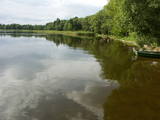 |
Ar mežiem, purviem un ezeriem (Riču, Sila u.c.) bagāta teritorija Latvijas - Baltkrievijas pierobežā. Galvenās aizsargājamās dabas vērtības - dažāda veida purvu, mežu un ezeru biotopi un tajos mītošās augu un dzīvnieku sugas. Ezeru krastos, kurus iecienījuši vietējie atpūtnieki, atrodas vairākas naktsmītnes. Ilgas muiža (celta 19. gs. kā medību pils) ir Daugavpils Universitātes studentu prakses vieta. Silenes dabas parkā ietilpst arī Glušonkas purva un Ilgas dabas liegumi.
|
|
 |
Võrumaa’s first small beer brewery produces a delicious beer that has specially conquered the hearts of the people of Southern Estonia. Every now and then we are also preparing Yevgeny water. |
|
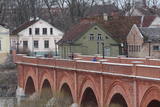 |
Kuldiga is deservedly considered the most beautiful small town of medieval times in Latvia. Instead of it already in the 13th century the Bandava centre of the ancient Cours land was located. In 1242 construction of stone castle was begun at Venta Falls by the Livonian Order. Populated area formed beside the castle, which was the first to acquire the rights of a city in Kurzeme (in 1378). Significant was also its participation in the Hanza Union. From 1561 until 1795 Kuldīga was the capital city of Kurzeme Dukedom. Naturally, in the first half of the 17th century it experienced rapid economic growth, which was terminated by the beginning of the Northern War and plague epidemic. The pride of Kurzeme residents and the lack of larger industrial objects was the reason, why during the Soviet times larger masses of immigrants did not flood the city, therefore today Kuldiga is one of the most Latvian cities in Kurzeme. It is worth to visit Kuldiga and stay there for more than one day, because there is plenty to do here. Nature fans may observe the flying fish, but for researchers of cultural history a really vast field of work opens here. |
|


