
| No | Name | Description |
|---|---|---|
 17 days
|
The tour introduces modern day life in rural Latvia, Estonia and Lithuania and includes visits to small farms raising livestock and producing delicious foods, and to ethnographic villages preserving the traditional lifestyle in a contemporary environment. The tour also involves sites of historical and cultural interest. The tour gives a look beyond the usual tourism sites to get to know the three Baltic states more deeply. It starts in the historic Latvian capital, Riga, followed by the Gauja National Park with its castles, manors and walking trails. Climb the tower of medieval Turaida Castle for amazing views over the valley and visit the ancient jewellery master in the castle of the charming town of Cesis. Across the border in Estonia, walk streets with elegant villas at Parnu sea resort before catching a ferry to Saaremma island. Ethnographic Koguva village, ancient churches and windmills are typical of the island, as is an embroidering tradition. Then it's off to Tallinn with its medieval Old Town and to the rocky landscapes of Lahemaa National Park with fishing villages and manors. Try Estonian national dishes at the pub in Altja. Driving back, stop at the university town of Tartu. In Latvia again, visit goat farms and a traditional black bread bakery. Then the tour heads towards the west coast with the cities of Liepaja and, across the border in Lithunaia, Klaipeda. Next is the incredible Curonian Spit. Before Vilnius, take a detour to Grutas Park with its bizarre Soviet statuary. Finish the journey at picturesque Trakai Castle in Lithuania and Rundale Palace in Latvia. |
|
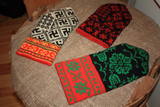 |
The basic exhibition at the museum, “Traditions Related to the Sewing and Wearing of Bārta Folk Costumes From the 19th to the 21st Century”, features folk costumes for unmarried and married women, as well as for men, emphasising the diversity of elements therein. Visitors can help to embroider or weave blouses. The Bārta Ethnographic Ensemble offers two educational programmes – “The Bārta Folk Costume” and “Singing Women From Bārta”. |
|
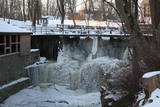 |
Atrodas pie Kuldīgas pils dzirnavām, kur straujā Alekšupīte pirms ietekas Ventā izgrauzusi dziļu „kanjonu” dolomītā. Šo dēvē par vienu no augstākajiem Latvijas ūdenskritumiem (4,15 m). 17. gs. ūdenskritumu ievērojami pārveidoja – paaugstināja un nostiprināja, lai Alekšupītes straumi izmantotu dzirnavu darbināšanai. Upītes kreisais krasts ir labiekārtots. |
|
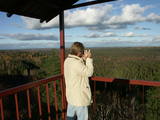 |
The viewing tower is in the southern part of the reserve, along the Ļaudona-Mārciena road and on the Madona-Trepe embankment. Here you can view a very wide territory all the way to the Vidzeme highlands, including Gaiziņkalns Hill if the weather is clear. At the foot of the tower you will see the lakes known as Small and Great Lake Plencis. |
|
 14 days
|
A panoramic tour of Lithuania and Latvia with highlights of nature experiences in the National parks and nature reserves. A variety of landscapes, nature attraction sites, birds and wild animals, forests and seashore. The tour also offers some cultural and historical insights. Baltic States are lucky to have plenty of untouched natural territories. During the Cambrian, Silurian and Devonian eras, the territory of the current Baltic States was often covered by seawater, which is why there are places where lots of geological evidence can be found about these periods in history. These are manifested not just in fossils and various geological objects, but also in the unique landscape. For example, The Gauja River basin is an outstanding locations for Devonian cliffs and caves. Other interesting elements of the terrain relate to the development of the Baltic Sea in the past – the Baltic Ice Sea and the Littorine Sea. That is well presented at he landscape of hillocks and valleys in the Slītere National Park. Many forests and bogs have remained virtually untouched as biotopes here. The Ķemeri, Slītere national parks were all established to protect wetlands. Rivers in the Baltic States have not been straightened and dense areas of buildings are not common. There are two “lands of lakes” in the Baltic States – Latgale and Augštaitija. The Baltic States are at the crossroads of the living areas of many different plants and animals, and that is why “northern,” “southern,” “western” and “eastern” species can all be found here. Some national parks have been established to protect distinctive local cultural heritage. |
|
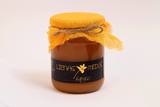 |
A family-owned company that cares for a clean environment, organic produce and design. Offers tours in the bee apiary and farm, tasting. |
|
 |
The Great and Small Baltezers lakes, which are in a forested and sandy area, feature a unique system in Latvia – a water delivery zone with artesian wells and water filtration layers. The system was in place in 1904, when the Baltezers pump station was opened. In 1998, the Rīga Water Delivery Museum was opened in the station, providing information about the 400 years of water delivery in Latvia, including various mechanisms, ancient wooden pipelines, etc. Around the museum is a boiler house, along with a machinery house, accommodations for workers, and mechanical workshops. |
|
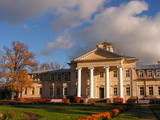 |
The Krimulda Estate was first recorded in documents in the 15th century. The Krimulda Castle that can be seen now is on the right bank of the ancient Gauja River valley opposite the aerial tram. There are outstanding views of the ancient river valley from the castle and the opposite shore. The Krimulda Castle is a Neo-Classical structure which was built by a local nobleman in the 19th century. In the 1920s, the castle was expropriated and turned over to the Latvian Red Cross, which installed a children's sanatorium there. Today the Krimulda rehabilitation hospital is in the building, and among other structures, the ones that have survived include the stables, threshing barn, servants' quarters, governor's quarters, and the so-called Swiss house. Educational tours are available, and overnight stays are possible at the estate. |
|
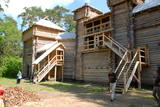 |
This is the largest exhibition in the Baltic States to feature the Semigalian material culture during the Iron Age. There is a wealth of ornamentations, weapons and household objects, including the largest collection of swords in the Baltic States. The exhibition is housed in the rebuilt defensive rooms of the wooden castle of Tērvete which existed here in the 12th century. During the second weekend of each August, there is an international Semigalian festival which is the largest Medieval festival in the Baltic States. |
|
 |
A restaurant and a three-star hotel that is located in the former beer brewery of Kalnamuiža, in the valley of the River Abuls, in the territory of Smiltene Park. The restaurant offers Latvian cuisine and caters for seminars. |
|
 4 days
|
This professional tour will look at fruit farms that selection, breed and grow breeds that are appropriate for Latvia’s weather conditions. During the introductory day, participants will tour Rīga, which is part of the UNESCO List of World Heritage, and also visit a health food store. On the second day, it is off to Kurzeme, where we will visit a farm that has developed a special technology for the processing of sea buckthorn in a way that preserves all of the vitamins and minerals that are in the berries. We will visit Wine Hill in Sabile, where grapes have been grown since the 16th or 17th century. Some 15 types of grapes that have been adapted to Latvia’s climate are grown here now. Next we will visit the Kukši Estate, which offers a look at the cultural environment of baronial estates in the 18th and 19th century. We will return to Rīga via the Jūrmala spa and have dinner at a Latvian saloon. The next morning we will travel to Vidzeme to look at a former peat swamp where large cranberries are grown now. The farm has its own processing technologies to manufacture candies, syrups, juices and teas. Next we will visit Latvia’s first blueberry farm for a tour and tastings. At the end of the day, we will visit a farm that grows cranberries and blackberries, emphasising successful and healthy food products and their marketing. On the morning of the fourth day, we will visit the Medieval Cēsis castle, which was the residence of the masters of the Livonian Order and one of the most fortified fortresses in the territory of the Baltic States. We will visit an agricultural technical school in Priekuļi to meet with faculty members. At the conclusion of the day, we will go to Ungurmuiža Estate, which is one of the most outstanding examples of 18th century Baroque wood construction in Latvia. The mansion (1732) is the only early 18th century wooden building of this type that has been preserved to this very day. |
|
 |
This park was established to protect Lithuania’s longest lake, Lake Asveja (> 20 km). The lake is in a sub-glacial valley carved out by ice during the Ice Age, and it actually resembles a wide and curvy river.
|
|
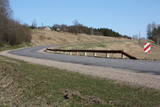 |
Beautiful views are accessible from the Sabile castle hill (steps, a location for relaxation), Upurkalns Hill (no improvements) and Briņķpedvāle, which part of the Pedvāle Open-Air Art Museum. There are also the Drubaži nature trails. The road between Kandava and Sabile which runs along the right bank of the Abava and the Aizdzire-Kalnmuiža road which runs on the left bank of the Abava also offer beautiful landscapes.
|
|
 |
2015. gadā uzceltais skatu tornis atrodas dabas parkā „Daugavas loki”, Daugavas ielejas kreisajā krastā – Daugavpils novada Vescalienas pagastā. No torņa aplūkojama izcilā Daugavas loku ainava. |
|
 |
The café is alongside the Top store in the centre of the village. Latvian cuisine: Potato pancakes with ham, grey peas with bacon, carrot buns. Special foods: The special “Apsīte” potted dish. |
|
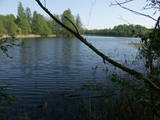 |
Dabas parks, kura lielāko daļu aizņem neprastās formas un līčiem bagātais Cārmaņa (arī Cārmins) ezers. Ezera ūdens ir ļoti tīrs, tādēļ tajā sastopamas Latvijai retas augu sabiedrības. Tā kā parka teritorijā nav tūristiem veidota infrastruktūra, interesenti var baudīt skatus, kas paveras uz ezera un tā apkārtni no Aulejas – Grāveru ceļa.
|
|
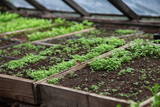 |
The farm grows some 25 types of plants and prepares products from approximately 50 types of plants. Visitors will learn about the use of medicinal plants not just in teas, but also in oils, extracts, tinctures, syrups, etc. These can be used for everyday nutrition. Products can be tasted and bought, and you can help out with the farm’s operations. There is also livestock to view. |
|
|
|
The Eversmuiža Estate is in the centre of Cibla and is dominated by a 1680 mansion that was built in the style of Classicism and was rebuilt several times later. There is a home for servants, a gatehouse and ancillary buildings that are in poor shape. A stone wall surrounds the park of the estate. Since the 17th century and for nearly two centuries, the estate belonged to an aristocratic Polish family, after it was owned by various others. Today the mansion houses a boarding school and the Cibla Regional Research Museum, which offers tours. A cultural and historical trail runs along the banks of the Ilža River. |
|
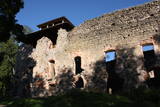 |
The ruins of the Rauna castle (which was built in 1262 and was a main residence of the Livonian archbishop) have a modern viewing tower which offers a view of the impressive castle walls, the place where the former Medieval city was located, and the centre of Rauna. The local government office has the keys to the tower.
|
|
 |
Lauku sēta atrodas Džūkijas nacionālajā parkā. Saimniecībā iespējams pašiem ar saimnieces nelielu palīdzību pagatavot tradicionālos dzūku ēdienus veco laiku maizes krāsnī. Kulinārais mantojums un izglītības programmas. Piedāvā arī nakšņošanu. |
|


