
| No | Name | Description |
|---|---|---|
 |
Centre stage on the a la carte menu of the restaurant is devoted to premium quality game meat dishes. Fish lovers will enjoy just caught Siberian sturgeon in the Sangaste Loss pond, ensuring that ingredients are always fresh. Ancient cooking techniques, such as baking on a bonfire in natural smoke, are honoured. |
|
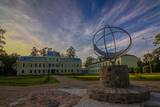 |
Pirmie dokumenti par Kokmuižu atrodami 1601. gada zemes revīzijas pierakstos. Tur sniegtā informācija vēsta, ka Kokmuiža pastāvējusi jau 1560. gadā. Taču 1880. gadā vācu muižnieks sākas celt kungu māju neobaroka stilā. 20. gs. sākumā tā tika izpostīta, bet 1937. gadā to pārveidoja par skolu. Kokmuižā kādreiz atradusies alus darītava. Tas bija laika periodā no 17.- 20. gs. Tā bija viena no slavenākajām alusdarītavām visā Vidzemes guberņā. Mūsdienās var izstaigāt muižu pats vai gida pavadībā. Var aplūkot kungu māju, staļļu ēkas, muižas pārvaldnieka namu, bibliotēku, ekspozīciju, abas klētis un alus darītavas pagrabu, kā arī sfērisko saules pulksteni.
|
|
 |
Gebaut am Ende des 18. Jh. im Stil des Frühklassizismus als der Besitz der Grafen von Mellin. Saaldekorationen vom künstlerischen Wert von K. V. Kalopka (1792) und Öfen (Ende des 19. Jh.). Ein Park. |
|
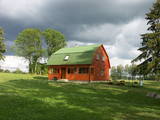 |
A summer house by lake Sila, in a separate building sauna and rest room with fireplace. Bathhouse - living room with open-fire, sauna, shower, double bedroom. Summer house – one room with twin beds, dry toilet. |
|
 |
Saimniecība nodarbojas ar sporta zirgu audzēšanu, sniedz zirgu viesnīcu pakalpojumus un var nodrošināt zirgu izmitināšanu brīvā dabā 24/7. Tiek audzēti kumeļi no augstvērtīgiem ērzeļiem: Aromāts (Acorado/Capiotol I), Fumo Twirre MP (Numero Uno/Voltaire), Cool Crack Z (Cornado I/Cassini II). Saimniecībā tiek izmitināti arī citi lauksaimniecības dzīvnieki, kurus viesiem ir iespēja apskatīt, samīļot un pacienāt ar gardumiem. Ir iespēja baudīt lauku gaisotni un apgūt iemaņas, kā izaudzēt veselīgu pārtiku - olas, gaļu, garšaugus. Piedāvājumā arī piknika vietas, noma korporatīviem pasākumiem un bērnu ballītēm, telšu vietas un aktīvās atpūtas iespējas. Ikdienā apkalpo tikai individuālus viesus vai korporatīvus pasākumus, saimniecība netiek piedāvāta plašākai apskatei. |
|
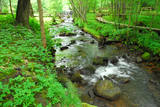 |
A pathway of wooden trails and little bridges, featuring the most beautiful part of the Ieriķupīte river, with several waterfalls, an old windmill, a unique millwheel, and various areas of obstacles for active people in the company of a guide.
|
|
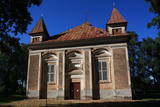 |
The St George Lutheran Church of Subate is on the north-eastern shore of Lesser Lake Subate. The church was built in the Byzantium style in 1685 and 1868 and was commissioned by the owner of the Prode Estate, H.F. Osten-Sacken. This is the only church in Latvia which is reminiscent of the typical appearance of Protestant churches in the late 17th century. The small towers at the corners of the building are of interest. Inside you will find a richly ornamented ensemble of sculptures and wood carvings, including a 17th-century altar, pulpit and pews, as well as artworks from the 17th and 18th century and a bell that was cast in 1682. Some of the interior design was the work of students at the Stelmuže wood carving school. |
|
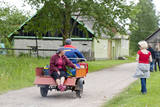 |
The island of 7.5 km2 in Lake Peipsi is largely inhabited by Russian-speaking Old Believers who have broadly retained their old traditions through time. Traditional trades are fishing and growing vegetables, mainly onion. |
|
 |
The cafe is situated in the centre of Talsi. |
|
 |
Mājas saimniecība „Pie Tēvoča Garika" piedāvā iepazīties ar nelielu dzīvnieku kolekciju. Dažus dzīvniekus var pabarot un paglaudīt. Te iespējams apskatīt gan mājas dzīvniekus, gan savvaļas dzīvniekus. Par katru dzīvnieku sniedzam informāciju. |
|
 5 days
|
Duke Jacob of Courland was a ruler of the Duchy of Courland and Zemgale for 40 years (1642-1682). There were great changes during his rule, with the ship building industry developing rapidly, the first factories appearing, and agricultural output improving. The duke had a large fleet that brought grain, meat, butter, wool, timber and all that was manufactured at baronial estates in Zemgale and Courland to Western Europe. The fleet was so big and strong that its ships sailed not just to Europe, but also all the way to Tobago and Gambia, where colonies were established to bring sugar, coffee and spices to Europe. The duchy built ships, manufactured paper and saltpetre and wove textiles, brocade and tapestries. Iron manufacturing was highly developed, and ore was imported from Sweden. This made it possible to forge nails, anchors, bells, cannons and other firearms. The duchy produced vodka, vinegar and gunpowder for which there was great demand in Europe, because there were attacks and defences that required it. As much as 25 tonnes of gunpowder were produced each year. One of the gunpowder towers is still in Kandava, though it has been rebuilt many times. The duchy manufactured sails and ropes, as well as hemp ropes. It was said that the fleet of the Queen of England would not have existed without those ropes. The duke also thought about selection of grain, bred livestock, improved land with land reclamation and tried to expand output from his fields. Jacob did not manage to do everything that he wanted to do. A canal to avoid the Venta rapids was not finished, and plans such as the colonisation of Australia were not finished. Yet the era of Duke Jacob was a period of great change in the territory of Latvia, and it has not gone unnoticed that the great achievements of the duke occurred on a small plot of European land. That proves that wise management can ensure lots of progress. |
|
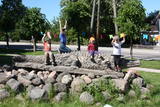 |
This 1995 sculpture by Oļegs Skarainis is at the corner of Dinsberģa and Talsu streets in Dundaga, near the local dairy. It is dedicated to the strong men of the town, including former Dundaga resident Arvīds Blūmentāls (1925-2006), who lived in Australia, was a great crocodile hunter (some 10,000 in all), and served as a prototype for Paul Hogan in the famous movie “Crocodile Dundee.” |
|
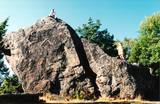 |
The Rock of Jana - Toma is claiming itself to be the highest (almost 8 m) rock in The Baltic. It is located in Kasispea village. |
|
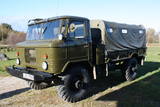 |
Edgars Kārklevalks, operator of a guesthouse Pūpoli, has a restored Soviet military GAZ-66 truck in which he offers historical and informational tours of Northern Kurzeme. The route includes former military territories.
|
|
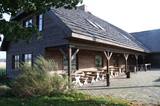 |
Located a few kilometres from Jūrkalne in a log building with a Latvian style interior. The menu includes Latvian and European cuisine, as well as fish and game meat dishes prepared from natural local produce in cooperation with local producers. Offer also includes pastries and sweets. |
|
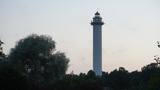 |
(formerly Pize and Pizā in Livonian). The current name of the village comes from a lighthouse (Mihailovskii majak) that was built during the age of the Russian Empire and named for the nephew of Tsar Alexander II. The lighthouse that is there now is the third one to be built on the site. It was built in 1957 and is the highest lighthouse in Latvia (57 m, can only be viewed from the outside). The Lutheran church in Mikeļtornis was built in 1893, and nearby is the Pize Saloon (1857), which is terrible condition. The saloon has a typical design from the 19th century and is the only venue of its type on the Livonian coastline. The first Livonian cultural activist, Jānis Princis (1796-1868), was born in Miķeļtornis, and he and son Jānis translated the Gospel of Matthew into the Western Livonian language. The two of them also wrote a collection of poetry, "Holy Songs and Prayers for Sailors." The only poetry book in Latvia prior to that was published by Blind Indriķis. A student of Vilhelms Purvītis, Livonian painter Andrejs Šulcs (1910-2006), was born at the Olmaņi homestead in Miķeļtornis. A monument to Livonian poets was installed at the local cemetery in 1978 and was the first monument dedicated to Livonians. There are plans to open an environmental object by artist Ģirts Burvis, "Century of Sailing Ships", in 2019. |
|
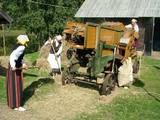 |
The 11 buildings of the museum feature farm equipment, horse-related equipment, several dozen internal combustion motors, as well as tools used by craftspeople and farmers during Latvia’s first period of independence. The annual harvest festival brings together as many as 2,000 visitors. A harvest festival features special porridge. Groups can take part in a bread programme, watching the production of bread from dough to loaf. |
|
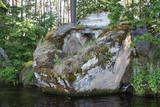 |
These are the ruins of World War II fortifications near what is now the Ķegums hydroelectric power plant. One blockhouse was found on the left bank of the Daugava River, approximately one kilometre to the South-Southeast from the plant’s dam. A second is also on the left bank of the river, opposite the Rēzijas campground. It has slid down the abraded shore of the reservoir and is partly underwater. It is mostly accessible by boat.
|
|
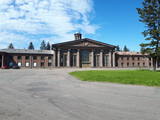 |
Spilves pļavas tika izmantotas kara aviācijas vajadzībām jau 1. Pasaules kara laikā. 1922. gadā bumbu sabojātā lidlauka atjaunošanu veica Latvijas Republikas Aviācijas divizions Jāzepa Baško vadībā. Drīz pēc tam Spilvē 51 hektāru lielā teritorijā pie Rīgas - Bolderājas dzelzceļa atzara un šosejas iekārtoja arī civilo lidostu, kuru no Rīgas pilsētas nomāja Latvijas Pasta un telegrāfa departaments. |
|
|
|
Celta 1933. g. vietējai brāļu draudzei. Baznīcā atrodas glezna “Kristus” (1850. g.) un Liepājas meistara Jēkaba Jauģieša 1920. g. darinātās ērģeles. Mūsdienās dievnamu izmanto Bārtas draudze. Pie baznīcas novietots akmens apkaimes represētajiem iedzīvotājiem. |
|


