
| No | Name | Description |
|---|---|---|
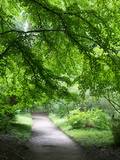 |
Established: 1931. The arboretum was set up at the suggestion of Latvia’s distinguished author Anna Brigadere. After her death and until 1935, the arboretum was supported and expanded by book publisher Jānis Rapa. There are some 180 foreign trees and shrubs of various kinds here. Some of the plants are outside the arboretum itself.
Unique plants: The Bunge’s Ash (Fraxinus chinensis), the Eastern Black Walnut (Juglans nigra), the American Buckeye (Aesculus glabra), the Smoketree (Cotinus coggyria), the White Mulberry (Morus Alba), and the Kentucky Yellowwood (Cladrastis kentukea).
|
|
 |
Atrodas Sedas purvā (Sedas dabas takas malā) ar plašu skatu uz izstrādātajām kūdras platībām. Sedas taku ieteicams izstaigāt vietējā gida pavadībā T: + 371 2636162. |
|
 |
Gallery Voronja is an art gallery where a high-quality international art programme is offered and every summer Onion Road is organised. The small garden café operates in the gallery every day with a menu inspired by local ingredients and additional flavours from the city environment. Customers can buy Voronja onion jam, chocolate sauce and other seasonal products.
|
|
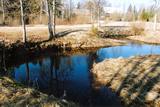 |
One of the largest karst areas in Estonia is found here. The unique Witch’s well is one of the most interesting parts of this area. During spring floods (not every year, and for only a short period of time), the well erupts with underground river waters to create an unusually powerful karst stream that can pump out as much as 100 litres per hour.
|
|
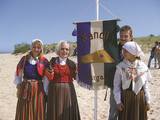 |
In a document from 1387, the village is named Minor Irva. Until the mid-20th century, Mazirbe was the largest Livonian village on the coast of Kurzeme. It was a fishing village and a centre for fishing. The village had a church, school, pharmacy, forestry company, several stores, a post and telegraph office, train station, barber shop, bakery and photo workshop, as well as a brick kiln. During the 1930s, a local fishing co-operative built a fish processing plant here. The Livonian Association was established here in 1923, and the Livonian People's Centre was opened in 1939. Oppoite the centre is the Stūrīši homestead (the home of the Taizel dynasty), where you can learn about everyday household objects and, by ordering it advance, taste local foods. The first chairmen of the Livonian Association, Kārlis Stalte and Māritņš Lepste, lived in Mazirbe. Cultural worker Kārlis Stalte (1870-1978) spent man years as the verger and organist of a church in Mazirbe. Mārtiņš Lepste was a Livonian language teacher in the 1930s. The former Maritime School building can be viewed from the outside. Some 2,000 students attended the school between 1894 and 1914. During Soviet years, the army had a base here. |
|
 12 days
|
The route includes some of the most authentic local expediencies travelling through blue lake districts along the Eastern part of Latvia and Lithuania. This is a region where mass tourism has not yet arrived, and you find very sincere and hospitable people, traditional villages, many churches and cult locations which bring together paganism, Roman Catholicism, Lutheranism, Russian Orthodoxy and Old believers, |
|
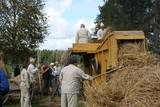 |
The farm museum presents the life and activities of Carl Robert Jakobson (an outstanding 19th C public person, writer and teacher) and his farmstead. Visitors can see cattle, sheep, horses and renovated outbuildings. They can also test their skills in farm jobs; Estonian food is available if booked in advance. |
|
 |
This farm produces tomatoes, apples, pears, raspberries, strawberries, etc. Visit the farm in the spring to see blooming pear and apple orchards and fields of raspberries. During the autumn you can help to harvest fruits with special "kangaroo pouches" and wheelbarrows. |
|
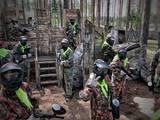 |
Aktīvās atpūtas peintbola parks un kempings ir atvērts apmeklētājiem no 2008. gada un šobrīd ir viens no lielākajiem peintbola parkiem Latvijā. Spriedzes un adrenalīna pilni piedzīvojumi nodrošināti kā skolēnu grupām, tā arī kolektīviem un draugu pulkam. Peintbola parks „Bušas” piedāvā lielus peintbola laukumus, ar šķēršļiem, mājiņām, ejām, torņiem, automašīnām – pilnvērtīgai un aktīvai peintbola spēlei. Peintbola parks „Bušas” ir sertificēts un drošs peintbola parks ar pieredzējušiem instruktoriem, kas seko peintbola spēlei visu tā laiku, lai mazinātu negadījuma iespējas, iepazīstina ar drošības noteikumiem un iepazīstina ar ekipējuma lietošanu. Peintbola parkam ir arī otra lokācijas vieta Rīgā, Matīsa ielā 8 Parkā ir iespējams arī pārnakšņot dažāda tipa naktsmītnēs - lielākā un mazākā kotedžā, pirts mājā, kā arī izmantot kempinga teritoriju telts būvēšanai. |
|
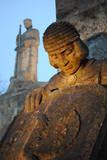 |
Brāļu kapos apbedīti aptuveni 2000 karavīru. Pirmos kritušos strēlniekus — Andreju Stūri, Jēkabu Voldemāru Timmu un Jāni Gavenasu — apbedīja 1915. gada 15. oktobrī. Sākot ar 1915. gadu, kapos sāka apbedīt Pirmā pasaules kara kaujās kritušos strēlniekus, vēlāk Februāra revolūcijas laikā nošautos kareivjus. Stučkas valdības laikā 1919. gada pavasarī šeit apbedīja Brīvības cīņās pret vācu vienībām un Dienvidlatvijas brigādi kritušos latviešu strēlniekus. Pirmās Latvijas brīvvalsts laikā Brāļu kapos apbedīja ap 800 Latvijas armijas kareivjus un virsniekus. 1941.—1942. gadā Brāļu kapos apbedīja 15 nacionālos partizānus, kā arī pārapbedīja komunistiskā režīma terora upurus. Līdz 1944. rudenim šeit apbedīja arī vairākus desmitus bijušās Latvijas armijas virsnieku un karavīru, kuri bija dienējuši Latviešu policijas bataljonos un Latviešu leģionā. Abās pusēs ieejas vārtiem (augstums 10 metri, platums 32 metri) divas jātnieku skulptūru grupas (augstums 3,3 metri). Liepu gatve (205 metri) savieno vārtus ar galveno terasi, kuras centrā novietots 1 metru augsts mūžīgās uguns altāris, bet abās pusēs ozolu birzis. No terases abpusējas kāpnes ved uz regulāri veidotu kapulauku. Tā malās atrodas divas "Mirstošo jātnieku" skulpturālās grupas (augstums 3,6 metri), vidus daļā atrodas augstcilnis "Kritušie brāļi". Pret katru kapa vietu novietota smilšakmens vai plienakmens plāksnīte ar kritušā uzvārdu un vārdu vai uzrakstu "Nezināms". Ansambli noslēdz 6 metrus augsta siena ar Latvijas apriņķu un pilsētu vēsturiskajiem ģerboņiem. Pie sienas atrodas četri senlatviešu karavīru tēli, kas simbolizē Latvijas novadus - Kurzemi, Zemgali, Vidzemi un Latgali, bet tās centrā uz 9 metrus augsta sienas masīva paceļas monumentāla figūra "Māte Latvija", kas noliekusi vainagu pār kritušajiem dēliem. Brāļu kapu memoriālais ansamblis ir izcirsts no Allažu šūnakmens, izmantots arī Itālijas travertīns un smilšakmens. Pirmmetu izstrādāja tēlnieks Kārlis Zāle, arhitekts Aleksandrs Birzenieks, Pēteris Feders un Andrejs Zeidaks. |
|
 |
10 km garais pārgājienu maršruts iepazīstina ar vienu no vēl retajiem, cilvēka mazāk ietekmētajiem Daugavas senlejas posmiem. Tā sākums – Aizkraukle, finišs – Skrīveri. Gar upes krastu izvietotas atpūtas vietas. Maršrutu var braukt arī ar velosipēdu. |
|
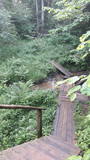 |
Šis avots ir pazīstams kopš seniem laikiem. Kalpo kā laba dzeramā ūdens ņemšanas vieta. |
|
 |
Home restaurant on Kihnu Island, where owners make rich meals, using the island's local ingredients, mainly fish. |
|
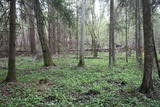 |
One of the rare places (see also Rucavas ivju audze) in Latvia where two rare and protected wild tree species grow - yew-tree and Baltic ivy. Territory is not marked on site with information signs or stands therefore it is hard for visitors to find. Not usable as tourism object.
|
|
|
|
Beliebte und eine der ältesten Straßen in Jurmala zwischen Dzintari und Majori. Die 1,1 km lange Straße mit Wirtshäusern, Sommercafés und Souvenirladen. |
|
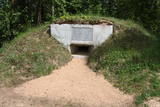 |
This testimony to World War II can be found in the Blīdene Parish. It is one of the very few objects of its type to still be in good condition.
|
|
 |
A small bakery that Jānis Kurpnieks, a baker with more than 20 years of experience, has set up in his father's home. More than 12 types of bread from cereals grown in Latvia. The greatest pride of the bakery is its wholemeal rye bread and sweet and sour bread, neither of which contains wheat flour. Rye bread is baked in large loaves weighing 8-9 kg and reaching up to half a metre in length. With such a loaf, the flavour “bouquet” is stronger and the shelf life – longer. Only natural ingredients and home-made sourdough, taken from the dough scraper (the dough of the previous baking), are used here for baking bread. The dough is fermented in oak tubs and the bread is baked in a proper bread oven, which is fired with softwood. |
|
 |
Naktsmītne, pirts, telpas pasākumiem, aktīvā atpūta dabā. Mājas alus brūvēšana un siera siešana. |
|
|
|
The No. 14 Border Guard facility at Akmeņrags was a naval observatory. The facility belongs to the regional local government and is not used for any purpose at this time.
|
|
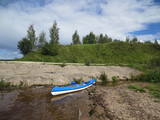 |
This is an ancient and important place for trade and craftsmanship on the left shore of the Rīga hydroelectric power plant reservoir. It rises some 15 m above the Daugava River. The Zemgale port that is described in historical documents is thought to have been located alongside the castle hill and at the mouth of the little Varžupīte stream. Antiquities that have been dug up here suggest that the castle hill and its adjoining ancient settlement were populated until the late 12th century, when the importance of Daugmale began to shrink because of rapidly growing Rīga. The foundations of the castle hill have been shored up. |
|


