
| Nr | Nosaukums | Apraksts |
|---|---|---|
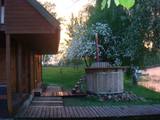 |
Lauku māja pie Sartų ezera netālu no Sartų zirgu audzētavas, Dusetų hipodroma, kur katru gadu pirmajā februāra sestdienā notiek pie zirgu skriešanās sacīkstes. Trīs sešvietīgi namiņi ar terasi, tualeti, dušu un virtuvīti. Lielākai ģimenei vai draugu kompānijai moderna, bet autentiska Vecā māja ar 5 numuriem aprīkotiem ar dušu un tualeti, virtuvi. Basketbola, volejbola un bērnu rotaļu laukumi. Tradicionālā dūmu pirts, kubls. Atpūtnieki var izmantot laivas un ūdens velosipēdus, kajakus un velosipēdus. Maršruti pa Sartų ezeru, Šventosios un Kriaunos upēm. Izjādes, riteņbraukšana pa Sartai Reģionālo parku. Makšķerēšana. Viesu nama saimnieki siltajā laikā aicina viesus nogaršot āra virtuvē gatavotos ēdienus (plovu, omleti, pīrāgus). Ēdienu gatavošanai tiek izmantoti pašu dārzā izaudzētie dārzeņi. |
|
 |
"Līdumkalni" atrodas Ķurbē -Kurzemes ziemeļrietumu daļā, starp Dundagas mežiem un Ķurbes lielo silu, zaļu pakalnu vidū, 15 km no jūras un ne pārāk tālu no debesīm. Šeit laiks rit lēni. Tas nevienu nesteidzina. Laika pietiek, lai vērotu Dieva radīto pasauli un ieskatītos Viņa bagātajā aptiekā. Laika pietiek lai iepazītos ar kristīgajām tradīcijām un dzīvesveidu, lai iegūtu praktisku lūgšanu un meditāciju pieredzi. Laika pietiks arī veselīgas maltītes pagatavošanai lauku virtuvē vai uz ugunskura un pašam savas gleznas uzgleznošanai gleznotājas darbnīcā. |
|
 1 diena
|
Dodieties ekskursijā, lai gūtu ieskatu lauku profesijā un dzīvesveidā, kā arī iegūtu jaunus iespaidus un labu atpūtu visai klasei. Ekskursijas laikā apmeklējiet podnieku, kurš skolēniem māca, kā praktiski darboties ar rokām, kā no māla izveidot skaistu darbus ar saviem parakstiem un zīmējumiem. Pēc tam apmeklējiet maiznīcu, kur saimniece piedāvā maizes degustāciju un picu cepšanu. Ekskursijas noslēgumā dodieties uz agro saimniecību, lai redzētu, kā siltumnīcās tiek audzēti tomāti, izmantojot mūsdienīgas fotosintēzes tehnoloģijas. |
|
 |
Aptuveni kilometru rietumos no bijušās Vārnavas skolas meklējami “Rudzīši”, kuros saimnieko Ēvalds Pūpols ar ģimeni. Ēvalds Pūpols lielāko savas dzīves daļu ir nodarbojies ar vīnogu audzēšanu un jaunu šķirņu veidošanu. Paugurainā Sēlijas vaļņa mežu skautā ielokā ir izveidota skaista, ainaviska un iekopta vide dažādu siltummīlošo vīnogu audzēšanai dabā, kur gandrīz hektāru lielajā vīnkoku dārzā aug ap 80 dažādu šķirņu vīnogas. Šis dārzs (nogāzes vērstas pret dienvidaustrumiem) ir viens no Latvijā lielākajiem un šķirnēm bagātākajiem vīnogu stādījumiem ziemeļu platuma grādos. Apmeklētājiem ir izveidota autostāvvieta, atpūtas un piknika vietas. Pa daudzajām tākām var iepazīt dārzu, no kura paveras skaists Sēlijas skats. Saimnieks piedāvā gida pakalpojumus un interesenti var iegūt informāciju par vīnogu audzēšanu un selekciju, iegādāties stādus, kā arī, ja bijis ražīgs gads, - degustēt pašas vīnogas. “Rudzīšos” tiek organizēti ražas svētki un citi pasākumi. |
|
 |
Amatnieks piedāvā stāstījumu par podniecības vēsturi, demonstrē amatu darbībā. Keramikas darbus var pasūtīt un iegādāties. Vienreiz gadā (jūlijā) kurina kambarkrāsni (t.s. naborigama), kas atrodas pie Salacgrīvas Mākslas skolas. |
|
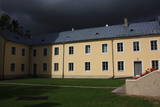 |
Atrodas Krustpilī, Rīgas ielā 216 b. Krustpils pils pirmsākumi ir meklējami 1237. g. Šajā laikā Rīgas bīskaps Nikolajs de Magdeburgs uzcēla Kreicburgas pili, kas bija pirmā krustnešu nocietinātā pils Latgalē. 16. gs. beigās tā līdz pat 20. gs. sākumam nonāk bruņinieka Nikolaja Korfa (un tālākās dzimtas) īpašumā. Neskatoties uz sekojošiem postījumiem un pārbūvēm, pils līdz mūsdienām ir saglabājusi viduslaiku pilīm raksturīgo noslēgto pagalmu. 19. gs. vidū tā iegūst historisma stila interjerus. Tajā pat laikā ir saglabājušies arī senākas apbūves elementi - vārtu tornis, korpusa pamatsienas, šaujamlūkas, velvju konstrukcijas, logailas u.c. Padomju laikos pilī atradās PSRS armijas daļa, bet tai blakus izveidojās kara pilsētiņa - mūsdienu Pils rajons, ko rietumu puses ieskauj Pils dīķis. 1994. g. ēku kompleksā iekārtots Jēkabpils vēstures muzejs, kuru var iepazīt gida pavadībā vai individuāli (ar audiogidu). Vienreizējs skats no torņa! |
|
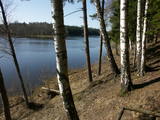 |
Valguma ezers – līdz 3 km garais un
27 m dziļais ezers izvietojies ledāja
veidotā gultnē
|
|
 |
Restorāns "Martinelli" atrodas Talsu centrā, Lielās ielas malā. Piedāvā ēdienus no vecmāmiņu pavārgrāmatas, pasaules virtuvi un plašu vīna klāstu. Sadarbojas ar vietējiem zemniekiem. Latviešu virtuve: Skābu kāpostu zupa ar ceptu cūkgaļas krūtiņu, meža sēņu – grūbu zupa, siļķe ar biezpienu, bukstiņputra, šmorcepetis ar šķovētiem kāpostiem, jēra cepetis, biezpiena plācenīši, Latvijā ražotas alus šķirnes. |
|
 2 dienas
|
This section of the seacoast of Vidzeme is of outstanding scenic beauty with a lot of rocky capes and boulders in the sea alternating with small, sandy coves where the small streams and rivulets, which dry out in summer, flow into. Occasionally, the beach is completely covered with the gray backs of stones. In Zvejniekciems you need to make a detour around the estuary of the Aģe River and the Skulte port. In some places, small patches of reeds appear, while near Tūja you will see the first sandstone outcrops. Some part of the route can be covered via the beach or via a trail meandering through the dune forest with old pines. At the end of the route, you can see the unique lamprey fishing method - Svētupes nēģu tacis. |
|
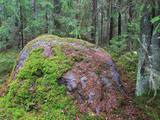 |
Komultēnu dižakmens atrodas Sakstagala pagastā, jauktu koku
mežā ap 700 m no Jēkabpils – Rēzeknes ceļa, uz ZA no Komultēniem.
Tā plakanā virsma un sāni saplaisājuši. Akmens sastāv no joslaina magmatizēta
gneisa. Dižakmens apkārtmērs 15 m, garums 5 m, platums 3
m, augstums 1,8 m, tilpums ap 20 m3.
|
|
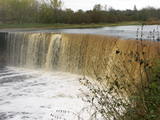 |
Viens no izcilākajiem Baltijas ūdenskritumiem – ap 8 m augsts un līdz 70 m plats (iespaidīgāks pavasaros un pēc lietavām). Ūdenskritums un tam sekojošais ~ 300 m garais kanjons veidojies Ordovika perioda kaļķakmeņos, kuros zinātājs saskatīs galvkāju u.c. fosīlijas. Mazūdens periodā drosmīgākie mēģina šķērsot upes straumi gan virs ūdenskrituma, gan arī zem tā, kur kaļķakmens pārkares un krītošais ūdens ir izveidojuši savdabīgu „tuneli”.
|
|
 |
Tillu ir mājas kafejnīca, kas atrodas Põlva zemnieku saimniecības veikaliņā. Šeit valda nedaudz eklektiskas, bohēmiskas noskaņas, taču vienlaikus šī vieta ir silta un omulīga. Katru dienu tiek ceptas maizītes un pīrādziņi, tāpēc šeit vienmēr jūtamas patīkamas smaržas. |
|
 |
"Piparmētru namiņā" ir iespēja izgaršot dažādu mētru tēju, cepumus, šokolādi, medu ar piparmētrām un piparmētru sīrupus, ik pa laikam pievienojas jauni produkti, kuru sastāvā ir piparmētra. Radošajās darbnīcās top piparmētru ziepes, apgleznoti šķīvji ar piparmētrām, dekupāžas tehnikā dekorēti krūzīšu paliktņi un vēl daudz kas cits. Vēl saimniece no piparmētrām taisa arī piparmētru lūpu balzamu un sejas toniku. |
|
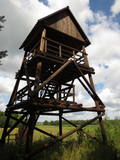 |
Atrodas Skuķu ezera dienvidrietumu krastā. Sasniedzams no Putnu salas, ejot cauri dzīvei savvaļā pielāgoto mājlopu aplokiem un taku. No torņa labi pārskatāma Dvietes paliene (ūdeņainos pavasaros pārplūst) un aizaugušais Skuķu ezers. Laba putnu vērošanas vieta. Putnu salas Atālu mājās – vietējais gids. |
|
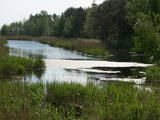 |
Taka izveidota 2005. gadā. Tā atrodas uz Lapmežciema un Bigauņciema robežas un izskatās kā koka dēlīšu laipa gar Siliņupi. Taka aizved līdz jūrai, kur apskatāms vecais Lapmežciema mols. Siliņupē novērojami ūdensputni. |
|
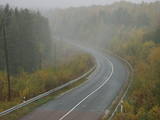 |
Tornis atrodas Dundagas – Mazirbes ceļa malā, Šlīteres Zilo kalnu nogāzes augšdaļā. No tā paveras jauks skats uz piejūras zemienes mežiem, ceļu un nelielu Baltijas ledus ezera senkrasta posmu.
|
|
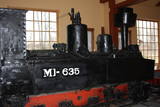 |
1916. g., kad Latvijas teritoriju bija okupējusi vācu armija, tās gūstekņiem bija jāpiedalās spaidu darbos, t.sk. jāceļ šaursliežu dzelzceļi, ar kuru palīdzību tā izveda Latvijas koksni. Arī Viesītes pusē cauri mežiem un pāri purviem izbūvēja šaursliežu dzelzceļa tīklu (sliežu platums 600 mm) ap 130 km garumā, kas Viesīti (atradās depo) savienoja ar Neretu, Aknīsti, Jēkabpili un Daudzevu. Ar mazbānīti pēc 2. pasaules kara pārvadāja koksni un pasažierus. Pēdējais vilciens šajās līnijās beidza kursēt 1972. g. 31. augustā.
Muzeja apskate gida pavadībā vai individuāli: lokomotīve Mi – 635, pasažieru un preču vagoni, kokmateriālu pārvadāšanas platforma un 2 drezīnas.
|
|
 1 diena
|
Dodieties ekskursijā, lai gūtu ieskatu lauku profesijā un dzīvesveidā, kā arī iegūtu jaunus iespaidus un labu atpūtu visai klasei. Ekskursijas laikā apmeklējiet saimniecību, kuras galvenā specializācija ir piena lopkopība un graudkopība. Pēc tam izbaudiet pikniku Vilces dabas parkā, kurš ir izvietojies Vilces upītes un tās pieteku gravu krastos. Pie Vilces pilskalna atrodas Zaķu pļava – labiekārtota un iecienīta apmeklētāju atpūtas vieta. Tālāk dodieties uz maizes ceptuvi, lai iepazītos ar maizes cepšanas arodu, degustētu un iegādātos maiznīcas izstrādājumus. Ekskursijas noslēgumā apmeklējiet saimniecību, kur audzē graudaugus un kartupeļus, piedāvā apskatīt senu darba rīku un piena pārstrādes iekārtu kolekciju un praktiski darboties ar tiem. Bērni var atpūsties un pavadīt brīvo laiku atrakciju parkā. |
|
 2 dienas
|
Gauja ir Latvijas populārākā ūdenstūristu upe. Laivotājus šeit vilina skaistie smilšakmens atsegumi, upes mierīgais tecējums, dabas un lielā kultūras pieminekļu daudzveidība. Minētajā posmā upe plūst cauri Gaujas senlejai, kas ir viena no iespaidīgākajām Baltijas reljefa formām. Maršruta tehniski sarežģītākā vieta ir Ķūķu krāces, kur nereti gadās pa kādai apgāztai laivai. Lielākais upes kritums ir posmā no Amatas ietekas līdz Līgatnei, tādēļ daudzi braucēji izvēlas Cēsu – Līgatnes posmu. Maršruta informācija no Latvijas Lauku foruma |
|
 |
Saimnieks ļoti skaistā vietā (ar skatu uz Saukas ezeru) audzē gaļas liellopus, kas visa gada garumā nogana apkārtējo pauguru nogāzes. Novadīs ekskursiju, parādīs govis un piedāvās saldos ķiršus un ābolus no sava dārza. |
|


