
| No | Name | Description |
|---|---|---|
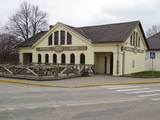 |
Atrodas Dundagas centrā, Talsu un Pils ielas krustojumā. Bistro tipa ēdināšanas uzņēmums, ko iecienījuši vietējie iedzīvotāji un pilsētas viesi. |
|
 |
The farm breeds historical Portuguese Lusitano breed horses, Shetland ponies, other horses from Europe, Ango Nubian goats, sharp wool sheep from Lithuania's genetic fund, and a large group of various fowl. Visitors will learn all about the animals and their origin and be given a chance to ride horses and ponies, as well as to observe the animals. |
|
 |
Oldest (building started in 1227) stone church in Estonia. Unique christening stone in the Baltic States. Old painting on the walls. |
|
 7 days
|
If you enjoy an active lifestyle, this tour is the perfect way to enjoy the culinary heritage hidden in Gauja National Park. The cycling route starts from Strenči and first passes two local breweries at Brenguļi and Valmiermuiža with nice cafés and good beer. On the way to Valmiera you will also stop at Trikāta Village to taste locally made chocolate. From Valmiera, the route goes through a beautiful forest to Cēsis with its charming medieval Old Town. In Cēsis you will visit the local bakery and distillery to taste their production. Also, you will see what a herb and species garden looked like in medieval times. You’ll experience a canoeing trip from Cēsis to Līgatne, one of the nicest parts on the River Gauja with its sandstone banks, remote farmsteads and old-fashioned water-powered ferry. The historic centre of Līgatne Town is linked with the development of its paper mill. Here you can also visit local wine and handicraft producers in one of the artificial caves typical of the area. Cycling the hilly, winding roads of Sigulda, you’ll see Turaida and Sigulda medieval castles, Gūtmaņala Cave and other picturesque views. In Sigulda you will enjoy Latvian traditional meals in the restaurants ”Bucefāls”, ”Aparjods”, and will taste 80 kinds of jam in the Mauriņi guest house. |
|
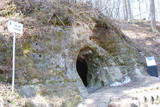 |
Ruins of a Livonian Order castle tower atop a steep hill alongside the Pärnu-Valga highway in Helme. The castle changed hands from Germans to Russians and Lithuanians to Swedes who eventually destroyed it in 1658. The spring at the foot of the hill is believed to cure seven diseases. |
|
 2 days
|
This tour will give you an impression of the eastern part of Latvia, which is less populated and also less popular among tourists. You will first arrive in Aluksne and explore the town, which is located at Alūksne highland, on the shore of Lake Alūksne. It is worth visiting Temple Hill – an old Latgalian castle mound and the place of the old town, Sun bridge, and the Castle manor park, Alūksne Lutheran Church and the Bible Museum. After staying there overnight you will go by bus to the start point of the hike in Ape. This Forest Trail section winds through a hilly farmland landscape, then enters a large dark forest, occasionally interrupted by the blue surfaces of lakes. After Peļļi, it crosses the Latvian/Estonian border and winds along the shores of the lakes Smilšājs, Sūneklis and Ilgājs for 2 km on the Estonian side, known as Paganamaa (translation: Devil's Land). There it descends and enters the Korneti-Peļļi subglacial depression, one of the most impressive ravines in Latvia. The Forest Trail returns to Latvia at Lake Ilgājs and, after a steep climb, takes you through a hilly area to the Drusku castle mound. Here you can enjoy a beautiful view. At the end of this tour, you will reach Korneti. The section is located in the protected landscape area “Veclaicene”. |
|
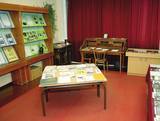 |
Local History Museum of Bērzgale was founded in 1988. There is
the memorial room of writer Antons Rupainis (1906 – 1976), the exposition of municipality history, its famous
people and cultural-historical traditions.
Working hours: Mon– Fri : 9.00 – 12.00,13.00 – 17.00, Sat., Sunday : on request |
|
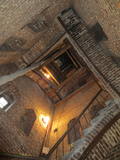 |
This is a unique example of industrial heritage – the only open munition factory in the Baltic States. It includes Europe’s oldest pellet pouring tower, and it is still used for that purpose today. Tours are available for those who contact the factory in advance, and a guide will lead groups through the factory, the tower and the museum. Today the factory manufactures nine types of bullets for smooth-barrel weapons, as well as bullets for pneumatic weapons. The products are exported to Germany and other countries. |
|
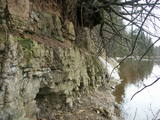 |
This is a unique geological object of paleontological importance. Up to four metres high, the cliff has yielded up fossils of ancient invertebrates and fish.
|
|
 |
Zemnieku saimniecība "Dzirnas" nodarbojas ar bioloģisko putnkopību, audzē zemenes un dārzeņus. Saimniecība apsaimnieko 11 ha zemes. Tajā iegūtās olas ar zīmolu "Vistu olas", sīpoli un ķiploki tiek pārdoti veikalos "Klēts" Rimi hypermārketos Rīgā. Savukārt zemenes pārdod dzimtajā Alsungā, kā arī pēc pieprasījuma piegādā Rīgā. Iespējams arī apmeklēt un apskatīt saimniecību, taču nepieciešmaa iepriekšēja pieteikšanās. |
|
 |
SPURA iznomā SUP dēļus, organizē privātus, korporatīvus pasākumus un dažādus SUP piedzīvojumus Rojas un Irbes upē, kā arī citās ūdenstilpnēs (plašāka informācija par piedzīvojumiem atrodama www.spura.lv). SPURAS SUP dēļi piemēroti gariem pārbraucieniem, jogai, fitnesam, sportam, sacensībām un atpūtai, - tie piemēroti gan pieaugušajiem, gan bērniem. Nodrošinām ar visu nepieciešamo supošanas inventāru līdz 40 personām, nogādāsim līdz supošanas vietai, piedāvājam izstrādātus SUP maršrutus un piedzīvojumus, organizējam ūdens un citas sporta aktivitātes. Pieejama kajaku noma (vienvietīgi un 2+1vietīgi) laivošanai pa Rojas upi, to transportēšana Rojas upes apkārtnē. Iespējams iznomāt kajaku līdzņemšanai un doties uz sev izvēlētu ūdenstilpni. Iznomājam ūdens velosipēdu (katamarānu) braucienam pa Rojas upi un airu laivas. Pieejama hidrotērpu noma. |
|
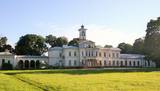 |
This is one of the most expressive estates built in the style of Romanticism. Dating back to the 19th century, it is on a peninsula in Astravo, which can easily be reached from Biržu along the longest wooden bridge in Lithuania, crossing Lake Širvenos. Covering 18 ha, the mixed-plan park was installed from 1851 until 1862. Local fir trees, linden trees and pine trees grow in the park. |
|
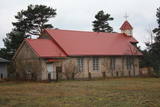 |
Atrodas ciema ziemeļdaļā. Neliela vienstāvu ēka ar svaigi nomainītu jumtu. Pēc vieniem avotiem celta 1883. gadā, citiem – pamatakmens ielikts 1933. g. 1. maijā. Tā tapusi pēc vietējo iedzīvotāju ziedojumiem uz Pirču māju zemes (saimnieks zemi atdevis dievnama celtniecībai). Baznīcas iekārta 2. pasaules kara laikā gāja bojā, tādēļ mūsdienās redzamā ir tapusi 20. gs. otrajā pusē. |
|
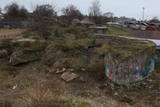 |
On the shore of the Daugava River, to the East of Lielupes Street and South-east of Jātnieku Street, there are the remnants of four battery positions that were blown up in their day. The batteries had 152-mm cannons, and this was part of the former system of fortifications in Rīga (see also Komētforts, the Daugavgrīva fortress, and the fortifications of Mangaļsala). The aim was to protect the city from invaders who came from the sea. From the top of the batteries you can see the Daugava and the northern segment of the manmade Krievu Island (a huge pile of sand). It does have to be said that the condition of this historical monument is quite pitiful.
|
|
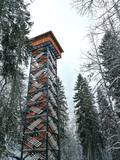 |
Dabas liegumā "Lielie Kangari" atrodas 33 metrus augsts skatu tornis, kura virsotnē atrodas platforma, no kuras paveras skats uz Kangaru ezeru un Lielkangaru purvu. Dabas liegumā izbūvēta arī nepilnu divu kilometru gara pastaigu taka ar tiltiņiem un skatu platformu pie ezera. Takas sākumā izvietotais veselības maršruts ikvienu apmeklētāju aicina kārtīgi izvingroties un izkustēties. Apmeklētāju informēšanai un izglītošanai visas takas garumā izvietoti arī informatīvie stendi ar fotogrāfijām, kas apvieno varenu stāstu un teiku kopumu par notikumiem, vietām, tēliem un parādībām dažādās apkārtnes vietās. |
|
 8 days
|
The route brings you to Kaunas, multiple Lithuanian regional parks and allows to enjoy the landscapes of the river Nemunas. Kaunas is Lithuania’s second largest city. It is notable for its modernist architecture. The city is located at the confluence of the two largest Lithuanian rivers: Nemunas and Neris. Moving further from Lampėdžiai to Vilkija, the Forest Trail runs for two days along trails and small countryside gravel roads next to the right bank of the river Nemunas. This section is shaped by beautiful landscapes with views of the river, the waterfront meadows and small villages. Do not miss the ferry in Vilkija crossing over the river Nemunas, one of the few still in operation in the Baltic States. For the next two days from Vilkija, the Forest Trail runs through its most spectacular sections in the Dubysa Regional Park from Kirkšnovė to Šiluva with mounds on riverbanks and historical churches now and there. This regional park covers the impressive Dubysa river valley, which reaches a depth of 40 m and a width of up to 500 m. Be prepared for a rolling terrain. Next, the route will take you to the town of Šiluva – the Catholic pilgrimage site – and to the Kurtuvėnai Regional Park. It is among the most forested areas of Central Lithuania; thus, the regional park with its glaciated valleys is a wonderland of forests, waters and wetlands. The Forest Trail leads along small forest paths, tourist trails, beautiful tree alleys and wetlands. The walk ends in Šaukėnai village, from where the city of Šiauliai is easily reached. |
|
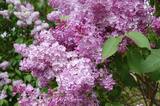 |
The Gardening Institute is the leading scholarly centre for fruit and vegetable research in Latvia. The institute specialises in selection and introduction of plant cultivars that are suitable for cultivation under the agro-climatic conditions in the Baltic countries, have high nutrition value and are rich in fibre content. |
|
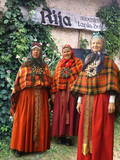 |
Located in the threshing barn of an old estate in Alsunga. There is a souvenir shop where you can purchase practical items such as shawls, gloves, stockings, dishes, herbal teas, etc. Creative workshops are available here for children, and if you contact the venue in advance, you can meet with Suiti women to learn about traditions and to sing and play games. The centre has been awarded the "Latvian heritage" cultural sign. |
|
 |
The cafe is situated in Jekabpils, in the shopping centre Aura, on the left bank of the river Daugava. The premises are comfortable and have a touch of a countryside, which can be felt in the wooden interior of the place. They offer breakfast, dinner or supper here. Working hours: 9:00 – 20:00 |
|
 |
The hatchery of decorative saplings and their sale (thujas, junipers, meadowsweets, weigelas, barberries, roses, etc.); creating and nurturing a commercial black currant garden, consultations. |
|


