
| No | Name | Description |
|---|---|---|
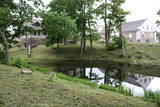 |
Plateļu dienviddaļā plešas sakoptais Plateļu muižas (muižas vēsture ir zināma, no 16. gs.) parks, kura centrā aug Raganu osis – dižkoks 7,2 m apkārtmērā. Parkā un tā tuvākajā apkārtnē ir redzamas muižas saimniecības ēkas. Vienā no tām – atjaunotajā zirgu stallī ir izveidots muzejs, kurā var apskatīt unikālas 250 vietējo meistaru darinātās maskas. Pašreiz šī ir lielākā šāda veida masku kolekcija Baltijas valstīs. Plateļu ezerā ir atrastas trīs no ozolkoka taisītas vienkoča laivas. Viena no tām (darināta 16. gs.) atrodas Lietuvas Jūras muzejā. Otra (15. gs.) ir apskatāma atjaunotajā Plateļu muižas graudu glabātavas pagrabā (Didžioji gatve 22), jo šobrīd tiek restaurēta. Trešā laiva arī izlikta apskatei kā muzeja eksponāts. |
|
 |
On the second Saturday of each month, farmers, home manufacturers and craftspeople gather together to offer their products. You will always find tasty and useful things here. |
|
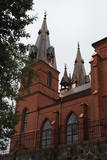 |
In 1685, a military leader from Krakow, Belinsky, paid for the construction of a wooden church in the current location. It was restored in 1749 and lasted until 1887, when it burned down during a storm. A church with two steeples was designed in the Gothic style, and construction of it began one year later. The church was consecrated in 1904 and is one of the most impressive churches in Latvia. Attention should be paid to stained glass windows that feature images of St Meinhard and Albert. Alongside the church is the centre of the Rēzekne-Aglona diocese, which is the seat of the local bishop. |
|
 |
The farmstead "Vitolini" specializes in horse breeding, as well as horse-riding lessons. It is possible to go horse-riding in the forest or to take a ride in a horse team. |
|
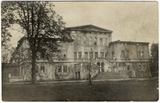 |
Muižas ansamblis veidots 19.gadsimtā, tās arhitektūrā atspoguļojās vairāku eklektisma formāli stilistisku virzienu uzslāņojumi, taču dominējošais bija baroka stils. Tā bija grāfa Kazimira Plātera-Zīberga (1808-1876), vēlāk grāfa Fēliksa Konstantina Plātera-Zīberga (1847-1928) rezidence. Pils un daļa saimniecības ēku tika iznīcinātas pirmā pasaules kara laikā, krievu armijas lielkalibra artilērijas apšaudes gaitā. Pārpalikušās drupas laika gaitā tika nojauktas. Līdz mūsdienām saglabājušies vārtu stabi, kas ir apmierinošā tehniskā stāvoklī. Muižā bijusi arī grāfa Zīberga 1697. gadā celta mūra kapela ar altāri un skaistām gleznām. Dievkalpojumus esot noturējis Ilūkstes prāvests. Bijušie īpašnieki: 18. gadsimtā barons A. Plāters-Zībergs, Kazimirs Plāters-Zībergs (1808-1876).
|
|
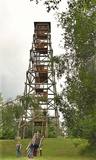 |
Lielais Liepu kalns ir Latgales augstienes Rāznavas pauguraines augstākā un Latvijā trešā augstākā virsotne (289,3 m v.j.l.). Lielpaugura relatīvais augstums ir 86 m! Skatu torņa platforma ir šobrīd augstākais Latvijas punkts (323 m.v.j.l.), kas sasniedzams ar paša kājām! Liepu kalna apkārtne ir labiekārtota. |
|
 |
Mätiku farm and dairy farm processes and produces milk, as well as breeds chickens and goats. The small dairy farm produces a wide range of dairy products from cow's milk. When booking in advance, you can visit the farm, get to know its work and taste the produce. |
|
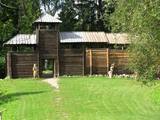 |
Kassinurme hills were formed during the last Ice Age, and an ancient stronghold and a sacred grove can be found in the hills. At the foot of the stronghold a stage has been built; a swing, tepees, a campfire place and a model of the stronghold are located in the forecourt. Nature, health and antiquities trails are located nearby. |
|
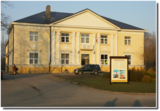 |
Although out of 104 village houses 97 were destroyed during World War I, at the end of the 30ies of the 20th century Lapmezciems "recovered" fast, and one of the most powerful coastal fishermen cooperatives in Latvia were operating in it. During the Soviet times here one of the largest fishery collective farms – "Selga" was founded here, the blocks of which can be seen at the mouth of the Siliņupe River. Today Lapmezciems is a popular area for summer cottages, a recreation and bathing place. As an interesting history monument of fishery the sedum of Lapmezciems is available for viewing – it is the former wharf of fishing boats, where fishermen built nest cabins and stored their equipment. Between Pīlādži Street and the left bank of the Siliņupe River in the 3rd and 2nd millennium BC settlement of fishermen and hunters were located, where a memorial stone is erected. This is the most ancient known location populated by humans within the territory of Kemeri National Park. Part of the findings is displayed at Lapmezciems museum, where local history research exposition is formed and materials about Finnish Jeager fights within the territory of Klapkalnciems are gathered. |
|
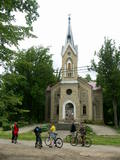 |
18 A. Upīša Street. The church was built in 1897 in the Neo-Gothic style (Architect H. Shel) and it is one of the few19th century city brick buildings. In the church there is the altarpiece "Christ healing the sick" - I. Zeberliņš (1943). You can see the church from the inside during the worship or by a prior arrangement. Near the church, you can see a monument designed by E. Laube (1926) to 80 Latvian riflemen who died in World War I and who were buried in the Warrior's Cemetery near the river Vēršupīte. Near the cemetery, there are also buried J. Kārkliņš and F. Siliņš, fighters of the Kauguri Battle of May 18, 1919. By a prior arrangement, tourist groups can see the church from the inside. |
|
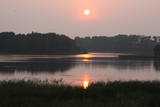 |
Also known as Lake Jēsis or Lake Iesis, this is the lake in Latvia which has the largest number of islands. Many literary sources and encyclopaedias in the 20th century claimed that there were 69 islands in the lake, but that was an exaggeration, because apparently the authors took sandbars overgrown with reeds and other plants to be islands. The true number is approximately two times lesser. The largest number of islands can be found in the north-eastern part of the lake. The largest one is Lielā Lāča (Big Bear) Island (45 ha). A farm was on the island at one time. The islands and the oak trees that are on the shores of the lake – the Piļoru and Pahatnīku stands of trees – are in a restricted environmental reserve. |
|
 |
Located in Daugmale, surrounded by the waters of the Daugava. This special location allows the bees to harvest and bring high-quality honey that has been recognised several times in Latvian contests, as well as other beekeeping products. |
|
 |
Maizes un konditorejas izstrādājumu ceptuve “Re:Maize” gatavo kvalitatīvus produktus, kas ir ne tikai vizuāli pievilcīgi un garšīgi, bet arī ilgtspējīgi un organismam veselīgi. Nosaukums “Re:Maize” ietver sevī ilgtspējības filozofijas principus un to var definēt kā renovāciju kulinārijā. Tas saskan ar cirkulāras ekonomikas principu definīciju - “Raw to recycling”, kas šajā gadījumā pamatā attiecināms uz maizes un mīklas izstrādājumu ražošanu un patēriņu. Latviskojot šo filozofiju, izvēlēts sauklis, kuru izmanto uzrakstā uz izkārtnes un citos materiālos – «Rūpēs par ēdienu», kas pēc saimnieces domām pilnībā atbilst uzņēmuma principiem un ir saprotams arī viesiem. Re:Maize piedāvā katru dienu svaigi ceptu maizi un konditorejas izstrādājumus līdzņemšanai vai baudīšanai uz vietas, kafiju, vīnus un Straupes piena produkciju. Tiek piedāvātas arī meistarklases - praktiskas klientu apmācības par Zero waste principiem. |
|
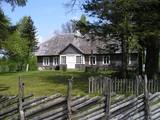 |
This museum was opened in 1991 at the birthplace of the aviator Stepon Darius. The house and granary have been restored, with exhibitions in both buildings. One speaks to the history of aviation in Lithuania and Darius' life, while the other shows ancient household objects. There is a campsite nearby where you can spend a longer period of time. |
|
 |
The spacious cafe in Gulbene with comfortable chairs and a tasty meal of the day menu. It is also possible to taste various types of pizza and dishes typical for the Gulbene district. Working hours: Monday-Thursday: 10:00 - 22:00, Friday-Saturday10:00 - 03:00, Sunday 11:00 - 22:00 |
|
 |
Vastseliina Castle dates from between the 14th and 17th centuries; during this time it was a mighty stronghold on the border between Russia and Europe and in the Middle Ages it was also a pilgrimage destination, it was destroyed in 1702 during the Great Northern War. |
|
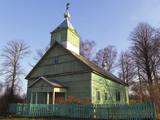 |
Guriliški Old-Believers Prayer House was built in the beginning
of the 20th century. It has a very old bell that was made in 1939.
|
|
 |
The café is alongside the Rēzekne castle hill and the “Zeimuļs” creative services centre of Eastern Latvia (built in September 2012). A lovely interior design and a look at historical objects form Rēzekne are part of the café. It is named after the Rositten fortress that was built here by the master of the Livonian Order in the 13th century. Meals are offered throughout the day, and various foods and baked goods are for sale. |
|
 |
Vom 18. Jh wurde die Stadt ein russischer Marinestützpunkt. Von 1962 bis 1994 war Paldiski ein Übungszentrum für atomare U-Boote der Sowjetischen Marine mit zwei auf dem Festland befindlichen Kernreaktoren (ung. 16.000 Beschäftigte) und eine "geschlossene Stadt". |
|
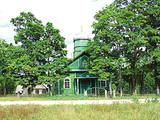 |
Ismeri Old-Believers Prayer House was built in 1912 by the donations of local people. The parish of
Ismeri exists since 1861.
|
|


