
| Нo | Название | Описание |
|---|---|---|
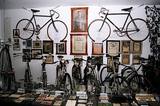 |
Коллекция велосипедов отца и сына Ивана и Гунта Серегиных, единственная коллекция старинных велосипедов в Латвии и самая большая в Балтии, которую уже несколько лет можно осмотреть в созданном своими силами музее. Коллекция старинных велосипедов укомплектована из технически самых интересных найденных в Латвии образцов развития велосипедной истории. В общей сложности в музее находится около 70 изготовленных и использованных в Латвии велосипедов. Наряду с велосипедами в музее широко представлены различные вещи, связанные с использованием велосипедов, велосипедным спортом, обществами велосипедистов и производством велосипедов. В экспозиции представлена также самая большая коллекция значков велосипедных фирм в Восточной Европе - более чем 1000 эмблем со всего мира. Предлагаются экскурсии в сопровождении гида. |
|
 |
На сельскохозяйственных угодьях площадях 36 га, расположенных в латвийско-белорусском приграничье, пасутся коровы, дающие в год около 10 тонн молока, которое перерабатывается на месте. Предлагают творог, сметану, сливки, несколько видов сыра. Приобретение и дегустация домашнего мороженого и мясных изделий. Возможность самим поучаствовать в процессе приготовления. Участник сети кулинарного наследия Латгалии. Биологическое хозяйство. |
|
 |
Ugandi Resto ‒ ресторан со стильным интерьером, вкусной едой и приветливым обслуживанием, который находится в Отепя. Блюда готовятся из свежих, качественных местных продуктов. |
|
 12 дней
|
Это путешествие предлагает испытать одни из наиболее аутентичных впечатлений, которые вы можете получить, путешествуя по краю голубых озер в восточной чати Латвии и Литвы. В этом регионе нет туристических масс, люди здесь добры и гостеприимны, здесь находятся традиционные деревни, множество религиозных объектов и хозяйств сельского наследия. Маршрут проходит через национальный парк Разнаc, который расположен на живописном озере Разнас, вблизи традиционных сельских хозяйств и древних замков. Здесь вы можете увидеть Аглонскую базилику – святое место для паломников, а также посетить Музей хлеба в Аглоне. Далее маршрут проходит через Даугавпилс, где находится впечатляющая крепость 19-го века, в которой расположен Арт-центр Им.Марка Ротко. По дороге встречаются гончарные мастерские, где изготавливают традиционную керамику. Вы сможете узнать больше о разведении лошадей и коров, а также о том, как приготовить традиционный сыр и чай из трав. Далее маршрут пролегает через Аукштайтский национальный парк вдоль самой границы Литвы через этнографические деревни, деревянные церкви, вдоль множества озер. Стоит посетить Музей пчеловодства в Стрипейкиай, Музей искусства под открытым небом, а также Европейский центр. И, конечно же, вы сможете попробовать местное латгальское пиво и традиционное литовское блюдо - цепелины. |
|
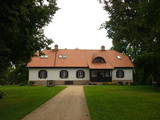 |
Усадьба Беркенеле является памятником национального значения и известна как земля детства великого латышского писателя и общественного деятеля Райниса (1865-1929). В 1995 году дом был восстановлен, а с 1996 года он функционирует как дом Райниса в Беркенеле. Детские впечатления отображены в сборнике стихов «Пять эскизных тетрадей Дагды». В наше время в доме Райниса предлагаются экскурсии, творческие мастерские, выставки; посетители могут переодеться в костюмы господ или слуг того времени и т.д. Вокруг дома растет большой фруктовый сад, предлагается программа «Яблочный путь». Особенно здесь ждут детей и молодежь. Из дома открывается прекрасный вид на пейзаж Селии |
|
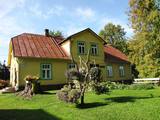 |
Pēteris Barisons (1904-1947) was a Latvian composer and conductor, and this is his birthplace – the Skudras homestead. The exhibition features the composer’s personal items, including musical instruments, documents and other bits of evidence about his life. Call +371-6512-9504 to arrange for a visit. |
|
 |
The restaurant is on the seashore with a wonderful view of Jūrmala. The grill terrace is a stylised ship wheel. The restaurant partners with local farmers and fishermen. Latvian cuisine: Cold beet soup, fish soup, smoked eel with country cream, duck livers, cream of potato soup with chanterelles, roast pike-perch, venison with mustard sauce. |
|
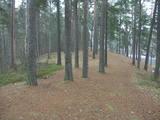 |
This territory is meant to protect the “green zone” of Rīga. Most of the park is covered with pine forest and dunes with shrubs on them, but Lake Beberbeķi is found at the southern end of the park. The area around the lake has been improved. |
|
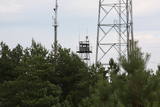 |
The military communications facilities at Pāvilosta are along the southern part of the town. The facilities are owned by the local government, and there is no information about their use at this time.
|
|
 |
One of the largest meat and dairy farms in Kurzeme, with a herd of around 500 heads of cattle. The farm also breeds most of the types of fowl that are known in Latvia. An informative tour is available, and you can purchase meat, milk and eggs. |
|
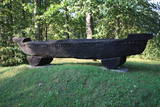 |
3 km to the south of the centre of Jūrkalne, near the old (gravelled) road between Liepāja and Jūrkalne, is the place where the three-year Feliksberga Maritime School existed between 1871 and 1902. The building is long gone, and the memorial has involves an oaken boat with two wooden poles on which old ownership signs have been engraved. |
|
 |
The restaurant is in the Promenade Hotel, which was established at historical port docks in Liepāja. It works with local farmers and fishermen and offers live music on weekends. Latvian cuisine: Mutton soup, baked plaice or catfish filet, cod prepared according to traditional fishermen’s recipes, crepes. Special foods: Freshly caught fish with grilled vegetables. |
|
 |
Territory is not attractive for a visitor without environmental knowledge and is very hard to find and reach through swampy forests on the North from Riva village. Area is not intended and appropriate for visits.
|
|
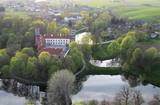 |
Gebaut in 1610, später umgebaut. Eins der hervorragenden Gebäuden Litauens der Renaissance. Eine Ausstellung der Kunstakademie Vilnius. Ein Aussichtsturm. |
|
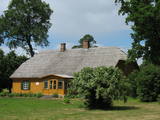 |
The Lejenieki homestead is 1.1 km north of Bangas. Vilis Plūdons (1874-1940) was an outstanding Latvian poet, a representative of the style of National Romanticism, and a schoolteacher. His real name was Vilis Lejnieks, and he was born in at the Lejenieki homestead in the Bauska region. His father was Jānis Lejnieks. As a boy, Vilis was enchanted by fairy tales told by his granny and by folk songs that she sang. Plūdons is buried nearby in the family cemetery. Lejenieki offers an exhibition about the poet’s life and work. The local sauna features sculptures of rabbits, thus recalling Plūdons’ poem, “Rabbit Sauna.” |
|
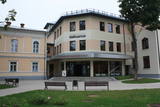 |
The current exhibition is in a building that used to house the Latgale Central Museum, and it speaks to the 700 years of the history of Rēzekne. It features typical ceramics and other artworks from Latgale. A separate exposition, “A Miracle Created by the Transformation of Clay and Fire,” speaks to the history of ceramics, and the museum also features pottery workshops where people can watch experts using ancient traditions to create new forms of pottery. Outside of the museum is a monument to the distinguished Lettigalian poet Antons Kūkojs (1940-2007). |
|
 1 day
|
Ekskursijas laikā apmeklējiet dabas taku, kurā ir iespēja iepazīt Amatas novada dabas objektus gar Kumadas upes, Dančupītes un Amatas upes krastu. Pēc tam apmeklējiet Cēsu pils kompleksu. Viduslaiku pils sniedz iespēju iejusties 800 gadus tālā pagātnē, uzkāpt ar sveču lukturīšiem Rietumu tornī, nokāpt cietumā, kā arī redzēt, kā kalējs darina latgaļu rotas. Blakus esošā Jaunā pils ir 18. gs. celta pilsmuižas kunga māja, kurā tagad atrodas Cēsu Vēsture un Mākslas muzejs. Ekskursijas noslēgumā dodieties uz lauku māju Smiltenes novadā, lai iepazītu maizes cepšanu pēc sentēvu tradīcijām, kā arī pašiem izveidot savu maizes kukulīti. |
|
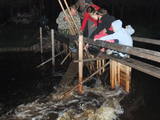 |
The owner offers groups of various sizes a chance to go to the sea in a fisherman’s boat and to watch shoreline fishing, as well. The lamprey eel weirs that are on the Svētupe River differ from those on the Salaca River in terms of their structure and the fishing principles. During the season, the owner prepares tasty smoked lamprey eels. |
|
 |
Divstāvīgā ēka ir redzama no Dundagas – Ģipkas ceļa (ap 3,7 km no Ģipkas ciema). Šis nav tūrisma objekts, bet gan vēsturiska vieta, kurai vērts pievērst uzmanību kaut vai no attāluma. Ēkas pirmajā stāvā no 1860. g. darbojās skola, kurā par skolotāju strādāja rakstnieks Antons Austriņš. 1867. g. tai uzbūvēja otro stāvu, kurā uzsāka jūrskolas izveidi. Jūrskola darbojās līdz 1894. g., kad to pārcēla uz Mazirbi. |
|
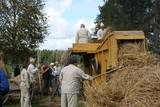 |
The farm museum presents the life and activities of Carl Robert Jakobson (an outstanding 19th C public person, writer and teacher) and his farmstead. Visitors can see cattle, sheep, horses and renovated outbuildings. They can also test their skills in farm jobs; Estonian food is available if booked in advance. |
|


