
| No | Name | Description |
|---|---|---|
 4 days
|
A tour of professional farms to offer a look at modern and technologically developed farms. During the introductory day, participants will tour Rīga, which is part of the UNESCO List of World Heritage, and the Rīga Central Market, which is one of the largest closed markets of its type in Europe. The next day there will be a meeting with specialists from the Latvian Agriculture Ministry and agricultural NGOs. Next we will tour an ecological facility for farm waste, which is a pan-European initiative in the context of which heat that is manufactured is used to heat greenhouses, thus ensuring an ideal environment for farming (flowers and tomatoes). We will visit innovative farms that collect birch juice for products such as biological birch juice wine (rose, semi-sec), biological birch juice foaming wine, birch juice lemonade, and syrup. The next morning will begin with a visit to a farm that produces high-quality vegetables and potatoes, successfully dealing with the storage and sale of it produce, as well as with logistical aspects of the process. Along the way, we will visit the ruins of the Koknese castle, which is on the banks of Latvia’s legendary Daugava River. We will also visit a farm that grows hemp for various food products. We will spend the night at an aristocratic estate that is now a complex for accommodations and spa treatments. The next morning, we will be off to one of Latvia’s newest beer breweries for a tour and tastings. Around noon, we will visit a farm that manufactures co-generated biomass head during the winter and heats greenhouses. We will return to Rīga in the evening. |
|
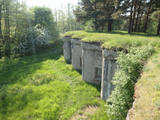 |
Redāns ir 19. gadsimta beigās celtā Liepājas Jūras cietokšņa daļa, kur notikušas Latvijai nozīmīgas cīņas. Lai gan uzbūvētie nocietinājumi ap Karostu tika atzīti par stratēģisku kļūdu un vairums no tiem saspridzināti, Redāns palicis teju neskarts. Tā ir arī vienīgā nocietinājuma daļa, kur notikusi reāla karadarbība.Par liecina ložu šautie caurumi sienās. 1919. gada 14. novembrī šeit notika brīvības cīņas par neatkarīgu Latviju, aizstāvot Liepāju pret Bermonta karaspēku. 14. novembra rītā, pārejot aizsalušo Tosmares ezeru, bermontiešu kājnieki ieņēma Redānu. Taču dažu stundu laikā liepājnieki veica niknu pretuzbrukumu, un vāciešiem nācās atkāpties. Jūnijā, jūlijā un augustā katru dienu plkst. 11.00–17.00 pie Redāna gaidīs zinošs gids, kas būs gatavs pastāstīt vairāk par Liepājas cietoksni un vēsturiskajiem notikumiem Karostā. Cena – 2 EUR no personas. |
|
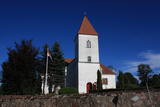 |
Built around 1625. For several centuries it was the main worship place for the Suiti community, supporting the community's spirituality and identity. In 1882 the church was expanded into the form of a cross that is seen today. Inside the church you can see work done by the Dutch wood carver Johann Mertens around 1715. The organ was built by F. Weisenborn in Jēkabpils in 1893, and the altar painting dates back to 1910. The bricked graveyard of the Schwerin dynasty is under the church. Contact it in advance if you wish to see its interior. |
|
 3 days
|
The Suiti are a community with among the most colourful and unique cultural traditions in Kurzeme and Latvia. This was confirmed on October 1, 2009, when the cultural territory of the Suiti was included in the UNESCO list of global intangible cultural heritage, thus indicating that the traditions must be preserved. The Suiti territory is also on the list of folk traditions that is part of the Latvian Cultural Canon. Manifestations of this intangible cultural heritage include traditional festivals, habits, oral traditions, traditional singing and musical skills, folk costumes and culinary traditions. Since 2009, the Suiti community has been undergoing a renaissance, with people actively working to restore traditions and ensure their sustainability and promotion at the local, national and international level. The survival of the cultural territory is in the hands of the Suiti themselves, and this is closely linked to the practices and the creativity of community representatives. The Suiti believe the development of tourism in their area to be of great importance in this. This means emphasising a niche in cultural tourism that is based on the broader promotion of the unique cultural heritage of the Suiti. |
|
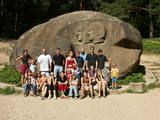 |
The “backbone” to this park is the valley of the Šventoji (Holy) River. One of the most impressive Devonian cliffs in Lithuania can be seen from the river – Vetygalos atodanga. On the shores of the Varius stream is a cliff made of quartz and sand – Variaus atodanga. 6 km to the S of Anykščiai is Lithuania’s second largest rock (5.7 m high, ~100 m3) – Puntukas akmuo.
|
|
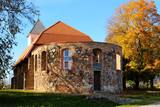 |
Dievnama mūri kā svētvieta glabā ne tikai svētuma starojumu, mierinājumu, bet arī smagus, rūgtus un iznīcinošus notikumus. Vairākkārt pārbūvēta, sagrauta, dedzināta, un tomēr atjaunota. |
|
 |
The owner of the Russian farm (Vene talu) prepares delicious Russian national dishes according to her grandmother's recipes. Guests learn traditions and enjoy plenty of food. There is also a tea salon, and masterclasses for Russian cuisine. |
|
 |
The restaurant is situated in the guest house Liedags alongside the Liepaja-Ventspils highway, 4,5 km away from Jurkalne on the banks of Enavite river. |
|
 |
The owner of the farm was the first to grow bush blackberries in Latvia in 1996, and today he has whole fields of the berries. He sells berries and plants, offers tours with tastings and consultations, designs gardens, and prepares plans for greenery. |
|
 |
This is a comparatively large lake (3 km long and 1.3 km wide). It is shallow (no more than 1.1 m deep) and is classified as a seashore lake. The Vecslocene River flows through it. At the southern end, there is a narrow stream which connects Lake Sloka with Aklo Lake – a shallow and small lake with a dolomite bed at some locations. The best view of Lake Sloka can be seen from the bird watching tower on its north-western shore. This is the only floating bird watching tower in Latvia. Alongside it is the beginning of the 3 km Lake Sloka hiking trail, which passes through the flooded wetlands of the lower reaches of the Vēršupīte. An information stand can be found on the shore of Lake Sloka by the car park. Beyond it is a sulphurous spring. |
|
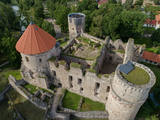 |
Cesis Castle complex is a place where the past meets the future. |
|
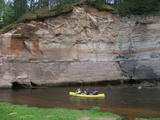 |
This ancient river valley stretches from Koorvere to the Otteni Windmill, and there are nearly 40 revealed sandstone cliffs from the Devonian age. Two of them, Väike and Suur Taevaskoja (the latter is 22 m high) are popular tourist destinations.
|
|
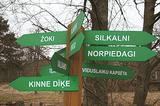 |
is seen as the newest village along the Livonian coastline. It was established during the 17th century. Košrags had 78 residents in 1826. The first reading school for Livonian children in the Dundaga seashore villages was opened at the Žoki homestead in 1832. One of the teachers was Nika Polmanis, who was the first Livonian to have completed a professional education. He also translated the Gospel of Matthew into the Eastern Livonian dialect. Košrags had a windmill, water mill and boat building facility. During the spring, job seekers from Saaremaa stopped here. A port was installed in 1932, and a breakwater to collect sea fertiliser followed in 1938. During the 1930s, Košrags was regularly visited by Finnish and Estonian linguists to study the folklore of the Livonians. The Norpiedagi homestead was built by Livonian activist Didriķis Volganskis (1884-1968). His son, Livonian cultural worker and pastor (in Finland) Edgars Vālgamā (Volganskis, 1912-2003) was born there. He translated the Andrejs Pumpurs epic "Lāčplēsis" into Finnish. Košrags today is a cultural monument of national importance. |
|
 |
Sprižu ģimenes bioloģiskā saimniecība "Dabas Gardumi" atrodas Mārupes novadā un tā apsaimnieko ogulājus 23 ha platībā. Audzē avenes, upenes, jāņogas, ērkšķogas, sausseržus, piparmētras, ābolus, plūmes u.c. Visas ogas svaigā veidā tiek piedāvātas sezonas laikā, kā arī tiek pārstrādātas, no kurām ražo dažādus augļu - ogu gardumus: augļu-ogu bumbiņas, salmiņus, sulas, marmelādes un tējas. Saražotā produkcija ir dabiska, garšīga, veselīga, šķiedrvielām un vitamīniem bagāta, jo pārstrādes procesā augļiem, ogām un garšaugiem tiek saglabāts pēc iespējas lielāks tā dabiskais sastāvs. Pārsvarā gardumi top no pašu izaudzētiem un savāktiem dabas izejmateriāliem (augļi, ogas, garšaugi), ražotajiem produktiem netiek pievienots cukurs, līdz ar to augļu-ogu gardumi ir lieliska gan ikdienas, gan svētku uzkoda kā maziem, tā arī lieliem baudītājiem. |
|
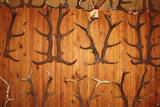 |
Found at the Purvziedi homestead in Vaide, this collection of more than 600 horns has been established by forest guard Edgars Hausmanis, who says that he found all of the exhibits in the forest. |
|
 |
Drinks are made from fruits and berries grown in Kurzeme region and hand-picked. 100% handmade. Our Story Apples Ciders Visitors Where to Buy |
|
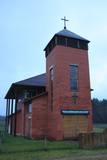 |
Atrodas 2,5 km no Bārtas centra, Bārtas upes labajā krastā. Mūsdienīgais dievnams tapis 2002. gadā (arhitekte: A. Siliņa). |
|
 |
This cosy restaurant offers dishes made of Lithuanian ingredients. Enjoy a collection of ancient culinary tools and baking equipment. If you wish to bake your own traditional spit cake, you can take a class to learn how to do that. |
|
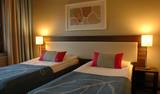 |
Spa Hotel Lohja is located in a beautiful place near Lake Lohja, surrounded by peaceful nature. This place has a lot to offer, there is wide range of things you can do while you are here, for example, you can rent a bicycle or/and a boat, go to the gym, play mini-golf, swim and much more. |
|
 1 day
|
Dodieties ekskursijā, lai gūtu ieskatu lauku profesijā un dzīvesveidā, kā arī iegūtu jaunus iespaidus un labu atpūtu visai klasei. Ekskursijas laikā apmeklējiet mini zoo, kur apskatāmas aitas, kazas, Ķīnas lielās cūkas, truši, dažādi eksotiskie dzīvnieki un putni. Bērniem īpašu prieku sagādā saskarsme ar mājdzīvniekiem un Japānas makaka – pērtiķa Nilsona izdarības. Pēc tam apmeklējiet zemnieku saimniecību, kurā izveidots atrakciju parks ar vairāk kā 20 atrakcijām 3,5 hektāru platībā. Ekskursijas noslēgumā dodieties uz atpūtas kompleksu pašā Zemgales sirdī, lai apskatītu vējdzirnavas un izceptu paši savus pīrāgus. |
|


