
| No | Name | Description |
|---|---|---|
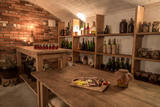 |
Die Gäste sind eingeladen den traditionellen, litauischen ethnographischen Keller zu besuchen. Hier wird die Verkostung von gepökeltem Speck aus eigener Produktion mit sauren Gurken aus ökologischem Anbau geboten, zudem kann man sich Frischkäse mit verschiedenen Beerenmarmeladen schmecken lassen und die ganze Sache mit auf dem Hof erzeugten Wein und Apfelwein abrunden. Im Angebot steht ferner Kräutertee aus Gemeinem Schneeball. |
|
 |
Meistardarbnīcā „Cimdiņi” darbojas Latvijas Amatniecības kameras diplomētā meistare Ina Valtere, pie kuras ikvienam ir iespēja uzzināt visu interesējošo par rokdarbiem, kā arī iegūt padomu un ieteikumus adīšanā, izšūšanā un tamborēšanā. Tiek piedāvāta iespēja piedalīties arī darbnīcās un meistarklasēs. |
|
 |
The farm offers premium, locally grown products from herbs found in Dole Nature Park and those that are self-grown. A family-owned company that respects and keeps traditions. |
|
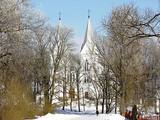 |
Holy Jesus Heart Roman Catholic Church of Bikova
(Gaigalava). Enjoy the Gothic forms and architectural design of the church. The church and the altar are
decorated with the icons of Zebedee sons – James and John (the apostles of Jesus) and other saints.
|
|
 |
Located at the edge of the Vidzeme Highway (A2) between Ape and Jaunlaiceni, the guesthouse is a lovely location and features a viewing tower. |
|
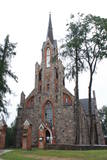 |
Found in the northern part of Cesvaine, the church was built of fieldstones in the Neo-Gothic style in 1879 by the architect Paul Max Bertschy. The church was restored in 1929 and again in the early 1990s. The altar painting, “Christ on the Cross” (1923) is by Jēkabs Bīne.
|
|
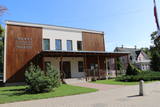 |
Located in a cultural centre at Brīvības Street 15 in Ogre, the museum was established in 1980 and has a permanent exhibition, “Ogre – a Swimming and Air Spa, Relaxation and Everyday Life, 1920-1940,” which offers a good look at the “golden age” of Ogre, when it was a popular spa. Another exhibition, “Legendary Ogre” offers a different view. Visit the museum to find out what it is!
|
|
 |
The small bar is situated in the city of Madona and there are seating places for 35 people. |
|
 |
Laivošanas pasākumu organizēšana, kajaku, kanoe laivu, SUP dēļu un aprīkojuma īre un pārdošana. |
|
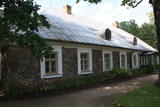 |
Atrodas Tērvetes ziemeļrietumu daļā, Tērvetes upītes krasta līkumā. „Sprīdīšos” sava mūža pēdējo desmitgadi (no 1922. līdz 1933. g.) strādāja un atpūtās latviešu rakstniece Anna Brigadere (1861. - 1933). Šajā laikā top lugas, stāsti, dzejoļi un rakstnieces atmiņu triloģija. No laukakmeņiem celtā „Sprīdīšu” ēka uzbūvēta 1840 g. Te sākotnēji darbojušās ūdensdzirnavas, tad skola, dzīvojuši mežziņi. Tagad šeit aplūkojams rakstnieces memoriālais muzejs. No „Sprīdīšiem” var uzsākt garāku pastaigu pa Tērvetes dabas parku, kur izvietoti no koka darinātie A. Brigaderes pasaku varoņi. |
|
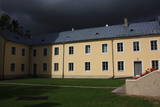 |
The origins of the castle date back to 1237. The closed yard that was typical of Medieval castles has been preserved. The interior took on its Historicism design in the mid-19th century, but there are also more ancient elements such as the gate tower, the basic walls, the firing apertures, the vaulted structures, the window apertures, etc. The Jēkabpils Museum of History was installed in the castle in 1994, and it can be toured in the company of a guide or an audio guide. |
|
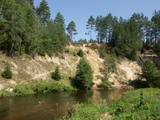 |
This territory is Lithuania’s most forested area, and people here have always lived in accordance with nature. Local treasures include berries, mushrooms, honey, clean water from streams and rivers, etc. People here have engaged in various crafts, as well as in beekeeping.
|
|
 |
Meklējamas Lizuma ciema dienviddaļā. Tās ir vienas no retajām vējdzirnavām (1880. g.), kas saglabājušās labā stāvoklī. Mūsdienās dzirnavas ir gleznotājas Ilonas Brektes īpašums. |
|
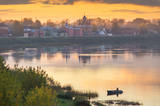 |
Krustpils was first recorded in documents in 1237 in relation to the construction of the Kreutzburg castle on the right bank of the Daugava River. A 1511 document lists it as a village. In 1585, Polish King Stefan Báthory gifted the town to Nicholas Korff, whose family continued to own it until 1920. Battles between Swedish and Polish forces occurred outside of Krustpils in 1626, and the sacked village was in poor shape until the mid-19th century. Jēkabpils, in turn, was constructed as a settlement for Old Believers who were persecuted in Russia. The Daugava has rapids opposite Krustpils and Jēkabpils, which means that boats had to dock there and reload their goods into wagons. The settlement flourished, and in 1670 it was given the rights of a city. It is named after Duke Jacob. When the Rīga-Daugavpils rail line opened in 1861, Krustpils flourished, and Jēkabpils did not flourish. The two cities were administratively merged in 1962, keeping the name of Jēkabpils. There are typical one-story wooden buildings from the 19th century, red brick buildings built at the turn of the 20th century, as well as seven churches used by different denominations. The dam along the left bank of the Daugava was built in 1861, and it was aimed at protecting the city against flooding. Today it is a promenade that is popular among local residents for strolling and leisure. |
|
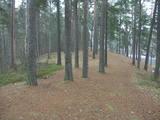 |
This territory is meant to protect the “green zone” of Rīga. Most of the park is covered with pine forest and dunes with shrubs on them, but Lake Beberbeķi is found at the southern end of the park. The area around the lake has been improved. |
|
 |
Just 20km from Valmiera down the river Gauja in Gauja National park theritory we own fabilous place for lovers of leisurely holidays with good active tourism possibilities. Main building with kitchen, shower, WC and higher standard accomodation possibilities. Big shelter with lodges next to it. Big area with fireplace. Sleeping facilities in 2 nd floor and some extra sleeping facilities and big shelter in separate building. There are You can find marked bicycle trail Valmiera-Cēsis next to the CAMP CAUNĪTES. Guests can use canoes for fishing or short tours along the river Gauja. |
|
 |
2015. gadā uzceltais skatu tornis atrodas dabas parkā „Daugavas loki”, Daugavas ielejas kreisajā krastā – Daugavpils novada Vescalienas pagastā. No torņa aplūkojama izcilā Daugavas loku ainava. |
|
 |
Guests to the Dīķīši homestead in the Amata Parish will be greeted by several Samoyed dogs and intelligent little donkeys that will bring the guests to a place for glamping next to the pond. You can hike down two trails of different lengths of enjoy the opportunities that exist when Latvians share places where they find mushrooms and berries. A special adventure is creating artworks from natural materials that have been collected in the forest. The accommodations are appropriate for people who use a wheelchair. The lavatory has been adapted to the needs of such people, as well. People who are interested in cultural history can tour a collection of Latvian folk costumes, trying them on and organising their own photo session. People who enjoy extreme feelings will enjoy a ride on a quadricycle. If you love to go fishing, bring your own inventory. We organise fire rituals for birthdays and family celebrations, and we’ll also offer soup that has been cooked on a campfire, as well as a master class in cheesemaking. |
|
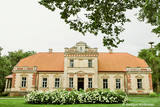 |
The Jakiškiu Estate was first mentioned in documents in the late 16th century. The estate had elements of Classicism in terms of its architecture. Among the buildings, the only ones that have survived are the mansion, an ice cellar and a steam-driven windmill. The estate has not been restored, so it is still authentic. Its artistic soul is preserved by various objects that remain from the time when people lived at the estate and from the Soviet era. Alongside the estate are a few fragments of a park, which covers approximately 2 ha. There is an ancient alley of linden trees that are on both sides of the entrance road, as well as several other valuable types of trees and a small pond. |
|
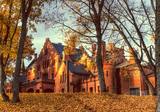 |
Castle's prototype is England's Windsor castle. Sangaste Castle was finished in 1883. Its last owner was Friedrich von Berg (1845. - 1938.) - known grain selector. Near the castle is a park. |
|


