
| No | Name | Description |
|---|---|---|
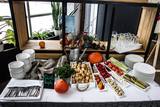 |
The restaurant offers a range of delicious and healthy meals from a range of international dishes with a wide variety of drinks, freshly baked biscuits, truffles, cakes and seeded breads are also available with lunch or dinner meals. There is a special daily offer available on weekdays and ability to organize a range of themed events, all catered for with food, drink and our freshly baked goods. A children’s menu is available for younger guests as well as playroom and a playground located next to the windmill. |
|
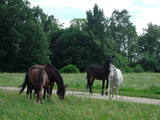 |
It is possible to look at different animals at the farm – horses, goats, rabbits, dogs, cats and marmots. It is possible to participate in farming tasks and try out farm instruments, to learn the steps of ancient dances, to walk along the animal paths and to taste pancakes baked on the open fire with goat cheese. You can also buy sauna accessories or herbal teas. |
|
 |
The owner of the farm grows petunias, geraniums, balsams, asters, snapdragons and other plants, also designing beautiful pots of flowers. She organises seminars on biological farming. Visitors can purchase plants, pick black currants from a bush, and pick tomatoes from a vegetable bed. Tastings are available, and there are rabbits on display, as well. |
|
 |
The Rāmkalni recreation park is located on the side of the Murjāņi-Valka highway (A3), in the Gauja valley. It offers skiing in winter and cycling, boating, and tobogganing in summer. The restaurant and bistro serves both Latvian and Western European cuisine. Various countryside goods can be purchased in the shop. |
|
 |
Ķesteri – the home where the Liv cultural activist and organist Kārlis Stalte
(1870-1947) was born.
|
|
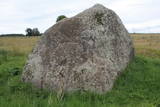 |
Atrodas 4,5 km ziemeļos no Rīgas – Daugavpils šosejas (A 6), klajā laukā (ap 3 m augsts, ainavisks). Viens no izcilākajiem Latvijas muldakmeņiem, tādēļ ir vērts izmest kādu loku. Akmens augšdaļā ir iekalts gandrīz 2 m garš un ~ 20 cm dziļš muldveida iedobums. Atrodamas ziņas, ka vēl 19. gs. vidū pie akmens ir ziedots ēdiens, monētas u.c. priekšmeti. Pie tā dedzināti ugunskuri un svinēti svētki. Teikas vēsta, ka velns muldā lējis ūdeni un gribējis mīcīt mīklu, kā arī parāvis zem akmens tuvējo māju saimnieku. |
|
|
|
Die zweitgrößte Insel Estlands mit breiter Waldung, Sand- und Steinstränden und einem der ältesten Leuchttürme Europas. |
|
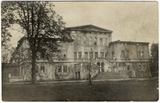 |
Muižas ansamblis veidots 19.gadsimtā, tās arhitektūrā atspoguļojās vairāku eklektisma formāli stilistisku virzienu uzslāņojumi, taču dominējošais bija baroka stils. Tā bija grāfa Kazimira Plātera-Zīberga (1808-1876), vēlāk grāfa Fēliksa Konstantina Plātera-Zīberga (1847-1928) rezidence. Pils un daļa saimniecības ēku tika iznīcinātas pirmā pasaules kara laikā, krievu armijas lielkalibra artilērijas apšaudes gaitā. Pārpalikušās drupas laika gaitā tika nojauktas. Līdz mūsdienām saglabājušies vārtu stabi, kas ir apmierinošā tehniskā stāvoklī. Muižā bijusi arī grāfa Zīberga 1697. gadā celta mūra kapela ar altāri un skaistām gleznām. Dievkalpojumus esot noturējis Ilūkstes prāvests. Bijušie īpašnieki: 18. gadsimtā barons A. Plāters-Zībergs, Kazimirs Plāters-Zībergs (1808-1876).
|
|
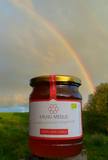 |
Possibly the highest bee apiary in the Baltics, about 300 m above sea level. Organic beekeeping products are harvested in Gaiziņkalns and its surrounding area. We offer excursions in the farm, bee apiary workshops, tasting of beekeeping products. |
|
 |
Drinks are made from fruits and berries grown in Kurzeme region and hand-picked. 100% handmade. Our Story Apples Ciders Visitors Where to Buy |
|
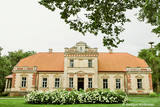 |
The Jakiškiu Estate was first mentioned in documents in the late 16th century. The estate had elements of Classicism in terms of its architecture. Among the buildings, the only ones that have survived are the mansion, an ice cellar and a steam-driven windmill. The estate has not been restored, so it is still authentic. Its artistic soul is preserved by various objects that remain from the time when people lived at the estate and from the Soviet era. Alongside the estate are a few fragments of a park, which covers approximately 2 ha. There is an ancient alley of linden trees that are on both sides of the entrance road, as well as several other valuable types of trees and a small pond. |
|
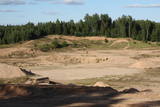 |
These are hillocks at the northern end of the Vidzeme highlands, and this is an important location for boreal (Northern) forests and swamps. Various kinds of swamps are found here, and the area is home to a variety of protected invertebrates.
|
|
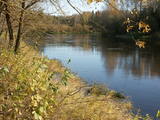 |
Teritorija, kas aptuveni 20 km garumā „piekļāvusies” abiem Aiviekstes upes krastiem. Dabas parka galvenā vērtība ir palieņu pļavas (un citi pļavu biotopi), kas ir ļoti nozīmīga daudzu augu un dzīvnieku (īpaši – putnu) sugu dzīves vieta. Ūdenstūristiem, kas laivo pa Aivieksti, nakšņošana ir jāplāno tikai šim mērķim paredzētās vietās!
|
|
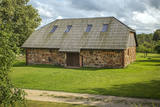 |
One of the 15 semi-estates of the former Dundaga Castle, Vecmuiža, has a private collection of historical materials. |
|
 |
This is a cemetery that was originated in the Middle Ages and used until the beginning of the 20th century. A mossy stone fence surrounds the cemetery. Interesting elements in the cemetery include the grave of Heinrihs Jakobsons (1832-1911), who was the first schoolteacher in Mazirbe (the old metal cross is to the left of the main gate), a pine tree of national importance and has a circumference of 3.17 metres (during the Soviet Union someone drilled a hole in the trunk of the tree to access honey), the grave of Niks Freimanis (1845-1908), who is said to have been the prototype for a character in a story and play by Marģers Zariņš, and the Werewolf Grave, which relates to countless ghost stories, including the claim that it is the only known gravesite of a werewolf in Latvia. |
|
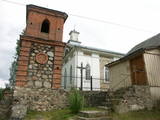 |
Daugavpils – Krāslavas (A 6) ceļa malā redzamais dievnams uzcelts ar Plāteru dzimtas pārstāvju – Vaclava un Kazimira Plātera atbalstu 1811. gadā. Dievnamu ieskauj metālkaluma un no ķieģeļiem mūrēts žogs, kā arī divi zvanu torņi. Labās puses zvanu tornī karājas vecs zvans. No baznīcas iekārtas ir jāpiemin galvenais altāris, ko rotā Dievmātes skulptūra, trīs biktskrēsli, četras evaņģēlistu sienas freskas un Lurdas Dievmātes glezna. Ikdienā apskatāma no ārpuses. |
|
 |
This craftsman uses the black ceramics technique. You can watch him opening the kiln, take part in creative workshops, and commission or purchase ceramics products. |
|
 |
The cafe Staburadze is situated in the centre of the city Kuldiga. |
|
 |
The fast-food place of a bistro type in Gulbene with a tasty lunch menu for very reasonable prices. It is also possible to try dishes typical for Gulbene district here. Working hours: Monday-Friday: 08:00 - 18:00, Saturday: 09:00 - 14:00 |
|
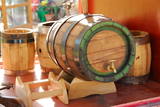 |
The craftsman manufactures barrels, hot tubs, furniture, stairs, doors and other useful objects. You can take a tour, learn about the relevant skills and experience, and help in manufacturing something that will be of use in the household. You can watch how barrels are made from start to finish, and also try your own hand at the craftsmanship. |
|


