
| No | Name | Description |
|---|---|---|
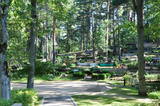 |
A cemetery has been found in this location since 1773, and among those who are buried there is the outstanding Latvian poet Ojārs Vācietis (1933-1983). A monument commemorating him is here, as is the Carnikava Estate repository that was built in the 18th century. The gravestone of a lessor of the estate, Falck, is also in the cemetery. |
|
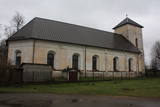 |
Atrodas Grobiņas centrā, Dzērves laukuma malā. Pirmā baznīca Grobiņa bija celta jau ap 1560. g., bet nākamā – 1596. g. celtā iznīcināta 1659. g. zviedru iebrukuma laikā. Pēc Kurzemes un Zemgales hercoga Jēkaba Ketlera iniciatīvas 1664. g. tiek uzcelts jauns dievnams, ko atjauno 1892. gadā. Tas dedzis 2. pasaules kara laikā, bet vēlāk atkal atjaunots. Šobrīd notiek altāra restaurācijas darbi. |
|
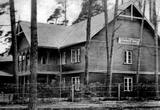 |
The “Strand” Complex – it was the largest and most luxurious recreational complex in Neibāde. It consisted of three buildings, a dance pavilion and a park. Only one building of the hotel, the same as what was once Saulkrasti outpatient clinic at 17 Ainažu Street, has survived until nowadays. |
|
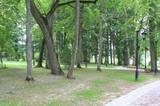 |
This is a natural monument of protected dendrological plants. The park is in the Upmala Parish, covers 2.7 ha, has been protected since 2001 and is managed by the Vārkava Administrative District Council. Judging from the oldest oak trees (approximately 200 years old), the park was established in the early 19th century, with other plants from the latter part of the century. Local species of trees, including maples, elms, fir trees, aspens, oak trees, willow trees, linden trees and hazelnut trees grow in the park, as do more than 10 exotic types of trees and bushes, including various types of maple, aspen, willow, lilac and linden trees. |
|
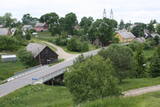 |
Pirmo reizi vēstures avotos 1253. g. šī vieta ir minēta kā kuršu apdzīvota apmetne. Laikā no 1637. – 1639. g. te uzcēla pirmās 19 kapelas – t.s. „Krusta ceļa stacijas", kas atgādināja Jeruzalemes Krusta ceļu. Kopš tā laika Žemaišu Kalvarija ir pazīstama kā nozīmīgs svētceļnieku galamērķis. Dažas no Krusta ceļa kapelām ir veidotas 17. – 18 gs., bet citas – 19. gs. Jāatceras, ka vēl pavisam nesen – Padomju laikos svētceļniekus nežēlīgi vajāja un represēja. Mūsdienās pilsētā ir izveidots 21 svētceļnieku „pieturas punkts". Te ik gadu (parasti no 2. – 12. jūlijam) notiek Žemaišu Kalvarijas katoļu draudzes svētki, kas pulcina daudz ļaužu no dažādām Eiropas valstīm. Iespaidīgā katoļu bazilika ir slavena ar Vissvētākās Jaunavas Marijas Katoļu Ģimeņu Karalienes gleznu, kas 17. gs. atvesta no Romas. Tai piedēvē brīnumdarītājas spējas. Interesants ir pilsētas ielu tīklojums, kas atgādina 9. – 13. gs. apdzīvotas vietas ielu plānojumu. Noteikti apskatāms iespaidīgais Žemaišu Kalvarijas pilskalns, kas slejas mazās Varduvas (Varduva) upītes krastā. |
|
 |
Piedāvājumā relaksācija pirtī - sildīšanās, skrubēšanās, enerģiskais pēriens, kā arī dažādas masāžas. |
|
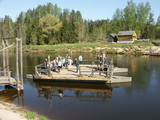 |
Ligatne history is inextricably linked to Ligatne paper mill. At the end 19th century and beginning of 20th century here was built houses, schools, maternity homes, hospitals, clubs, guest houses and other buildings for workers that have survived to the present. During the Soviet period Ligatne mill produced mainly school exercise books, which was sent to all the Soviet republics. Nowadays, the main raw material is recovered paper used for production of wrapping paper. Ligatne paper mill is the only one functioning Latvian company of this kind, and it can be explored with a local guide. Historic centre of Ligatne paper mill has been awarded the status of cultural monument. In the northern part of Ligatne - Gauja river bank the only functioning Gauja river ferry can be found and the only river ferry in the Baltic States, which is powered by river current. The ferry is vehicle of local scale. In the west of Ligatne, Ligatne nature trails are located; where close to natural environment conditions (the best object of this type in the Baltic States) lives red deer, roe deer, wild boar, fox and lynx. Within the territory of Ligatne nature trail a dense network of hiking trails and paved road - cycling route has been created, during the winter it becomes a cross-country ski track. A modern visitor centre is available here. East of Ligatne at Ligatne rehabilitation centre a unique place on the Europen scale can be found - a former Soviet secret bunker that was built as the main living and working place of Latvian senior military and civilian persons in case the nuclear or chemical weapons were used. Bunker was opened in 2003; therefore it remained intact to this day. On the way from Augsligatne to Ligatne go to see Vienkoci Park, where you can explore boats made of single wood peace by the creator of Park Richard Vidzicka, look at the different building models, sand home, and participate in themed activities. |
|
 |
Atrodas Rīgas – Ventspils autoceļa (A 10) 88. kilometrā, pašā Abavas krastā. Pie stāvlaukuma interesants objekts – senais Zemgales un Kurzemes robežstabs un vēsturisko novadu robeža. Piedāvā kempinga pakalpojumus. |
|
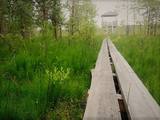 |
Taka ved cauri mežam uz skatu torni purva malā. Takā apskatāma Nāzara priede –priede, pie kuras 1905. gadā nošauts dumpinieks, pati priede – ekoloģiskais koks ar dzilnu kaltiem dobumiem, nokaltusi. Melnalkšņu dumbrājs - slīkšņa ar cūkaušiem un puplakšiem. Oleru purvs no skatu torņa – pārejas un sūnu purvs, kas izveidojies nolaista ezera vietā. Papildus objekti blakus takai, pieejami pa ceļu – Oleru muižas komplekss, Krustakmens, Oleru muižas kapi. Kopējais takas garums: 1,1 km. |
|
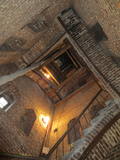 |
This is a unique example of industrial heritage – the only open munition factory in the Baltic States. It includes Europe’s oldest pellet pouring tower, and it is still used for that purpose today. Tours are available for those who contact the factory in advance, and a guide will lead groups through the factory, the tower and the museum. Today the factory manufactures nine types of bullets for smooth-barrel weapons, as well as bullets for pneumatic weapons. The products are exported to Germany and other countries. |
|
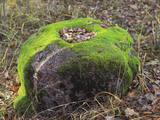 |
Zīleņu Sacrificial Boulder.You will find it on Zelenpole Golden hill beside the escarpment. The boulder
has an annular curvy. It was an ancient Latgalian cult place where people sacrificed to Gods, released themselves
from the bad things and took a positive energy.
|
|
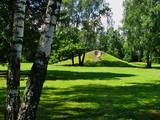 |
The monument dedicated to the Staburags cliff was installed in 2003. Designed by the sculptress Solveiga Vasiļeva, the monument is known as “The Ear of God,” and it is installed in the place where the reservoir of the Pļaviņas hydroelectric power plant flooded one of Latvia’s most interesting geological monuments. Staburags relates to many legends and stories told by rafters. It stood 18.5 m high and was a sandstone cliff on the left bank of the Daugava River, dating back to the last Ice Age. The Liepavots stream that trickled out of the cliff is now also underwater. Staburags and the flooded Daugava quarry were once among the most popular tourist destinations in Latvia. |
|
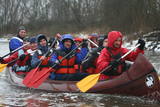 |
The company runs wildlife tours: kayak trips at sea in summer, bogshoeing in bogs in autumn, snowshoeing trips in winter and canoeing on rivers in spring. |
|
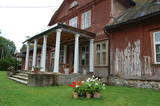 |
The mansion of Uue-Varbla Manor houses the local history museum which presents local life from the early 20th C and history of Varbla municipality. There is a handicraft workshop in the museum, while old tools and machinery are exhibited in the granary. The mansion in early Classicist style from 1797 is an attraction in itself. Traditional handicraft fairs are held in the grounds in July every summer. |
|
 |
The cafe is situated in Jekabpils, at the edge of the Jēkabpils ring road (A6), on the right bank of Daugava river. You can have breakfast, dinner and supper in here. Latvian cuisine: Cold soup, homemade steak haché, crepes. |
|
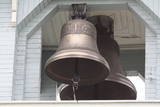 |
The Rēzekne Old Believer Prayer House of St Nicholas is in the southern part of the city, at Siņicina Street 4. The house of worship was built in 1895 and rebuilt in 1906. Its tower has three silver and brass bells (restored), and one of them is thought to be the largest bell in Latvia (4,832 kg with a tongue that weighs 200 kg in and of itself). Alongside is a museum which features the cultural and religious environment of the Old Believers. |
|
 |
Beautiful, harmonic and unique -- those are words to describe the garden at the Gundegas homestead in the Daudzese Parish. Owner Agrita Laizāne tends to her garden every day, particularly in the spring, when she is inspire to plant the flowers. In the autumn she thinks about work to be done next year, collecting seeds and preparing her garden for the winter. |
|
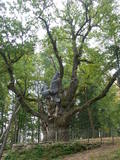 |
This is the thickest English oak (Quercus robur) in Lithuania, with a circumference of 9.4 m (as opposed to the Kaive oak in Latvia, which has a circumference of 10.18 m).
|
|
 3 days
|
The Suiti are a community with among the most colourful and unique cultural traditions in Kurzeme and Latvia. This was confirmed on October 1, 2009, when the cultural territory of the Suiti was included in the UNESCO list of global intangible cultural heritage, thus indicating that the traditions must be preserved. The Suiti territory is also on the list of folk traditions that is part of the Latvian Cultural Canon. Manifestations of this intangible cultural heritage include traditional festivals, habits, oral traditions, traditional singing and musical skills, folk costumes and culinary traditions. Since 2009, the Suiti community has been undergoing a renaissance, with people actively working to restore traditions and ensure their sustainability and promotion at the local, national and international level. The survival of the cultural territory is in the hands of the Suiti themselves, and this is closely linked to the practices and the creativity of community representatives. The Suiti believe the development of tourism in their area to be of great importance in this. This means emphasising a niche in cultural tourism that is based on the broader promotion of the unique cultural heritage of the Suiti. |
|
 |
You are offered horse-riding along the picturesque forests and individual horse-riding lessons. |
|


