
| No | Name | Description |
|---|---|---|
 7 days
|
The most spectacular autumn events are the Crane shows which can be observed at the bogs and fields. The tour will pass several of these places. We have included different biotops in the tour- seacost, different forests, bogs and fish ponds- in order to see various bird species. |
|
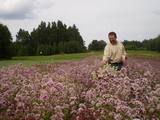 |
The farm grows and collects more than 80 types of medicinal plants, including peppermint, marigold, chamomile, oregano, St John’s wort, wormwood, oats, creeping thyme, broadleaf plantain, field penny-cress, meadowsweet, etc. You can take a tour and learn all about medicinal plants and how they are used. During autumns, you can purchase medicinal teas. |
|
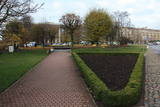 |
Истоки площади Роз уходят в 1911 - 1913 гг., когда на этом месте разбили открытый сад с > 500 кустами роз. В советское время рядом с площадью Роз был установлен памятник Ленину. Восстановленную в 2000 году площадь окружает Лиепайская Педагогическая академия, гостиница «Лива», Центр бизнеса и сделок De Rome (построен в XIX веке, архитектор Пауль Макс Берчи, бывшая гостиница «Рим») и Лиепайский дом латышского общества (камень в основание заложил Карлис Ульманис в 1934 г.). По бордюрам грядок роз размещены памятные знаки городов содружества Лиепаи. К площади Роз подходит улица Зивью (Рыбная), получившая свое название от когда-то существовавшего рыбного рынка. На улице Зивью находится Аллея славы латвийских музыкантов (с 2006 г.), где установлено 35 плит с бронзовым рельефом ладоней музыкантов, 10 плит, посвященные популярным латвийским музыкальным группам, а 5 – ушедшим в мир иной. Здесь же установлена самая большая гитара Латвии. |
|
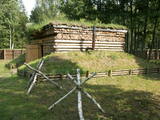 |
The so-called Christmas battles between the Russian and the German military took place in 1916, during World War I. Latvian riflemen demonstrated such courage and heroism during these battles that they became known far beyond Latvia’s borders. Machine Gun Hill now has a memorial to the Latvian riflemen. The viewing tower on the hill has been restored. The Maztīrelis swamp and the place where the German narrow-gauge railroad used to run can be seen well from the hill. The rail tracks crossed the swamp from the North to the South, and the rows of trees in the swamp show where they were.
Visiting the object: You can hike the area with or without a guide. The Christmas battle museum at the Mangaļi homestead offers thematic and educational events, as well as mock battles. You can look at monuments, graves, trenches, fortifications, dugouts, etc.
The Mangaļi homestead is home to Latvia’s largest mock-up of a battle site. There are unique elements of fortifications from World War I here – ones that are related to the Christmas battles. One part of the fortifications has been reconstructed in its original location – the dugout and a part of the so-called “German rampart” that was part of the front line of the German fortifications.
|
|
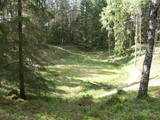 |
There are three craters here, and the biggest one, known locally as Põrguhaud, or Grave of Hell, has a diameter of 80 m and a depth of up to 12 m. There are barriers around the crater that are several metres high. The other two craters are hard to spot. The craters around 6,000 years old. No scraps of the supposed meteorite have been found, however, and so the origins of the craters cannot be confirmed with certainty.
|
|
 |
Māras birzs atrodas apmēram 4 km no Īles, Zebrenes virzienā. 2012.gada pavasarī iestādītā piemiņas birzs ir biedrības „Zebrus draugi” veltījums šīs apkaimes ļaudīm un viņu dzimtajām mājām, kas pēdējā gadsimtā ir zudušas no Latvijas kartes. Valsts meža izcirtumā iestādīto jauno kļavu, liepu un ozolu birzs centrā izveidots Māras altāris – simbolisks akmeņu krāvums, kurā katrs, kas jūt piederību šim apvidum, var pievienot savu akmeni. Birzs projekta un altāra autors - V.Lukjanovs. |
|
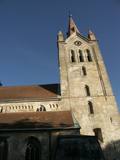 |
The tower of St John’s Lutheran Church in Cēsis, which is one of the oldest stone buildings in Vidzeme, offers a view of the historical centre of Cēsis, and a wide area all the way to Zilaiskalns Hill. There is also the western tower of the ruins of the Cēsis castle, one of the strongest fortresses of the Livonian Order in the Baltic region, and it offers a grand view of the castle’s park.
|
|
 |
Naukšēni Winery is an organic farm producing cider from Paradise apples. Our Story Apples Ciders For Visitors Where to Buy |
|
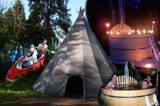 |
The Centre promotes sustainable lifestyle and the great outdoors, there you can plant trees and make and install nest boxes. Canoeing, bog walks, bow and crossbow shooting ranges are available for the more adventurous. There is a log house for functions and accommodation and a sauna with a hot tub. |
|
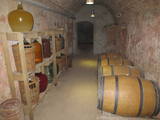 |
The shadowy cellar of the estate is a great place to hear about how homemade wine is made. You can taste rhubarb, black currant and strawberry wine along with local goodies such as cheese. Local farmers provide the ingredients for the wine. |
|
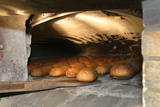 |
Lāči brand bread is popular in Latvia and abroad, because the bakery uses ancient mastery and skills. Baking traditions are supervised by 2 master bakers and 4 journeymen. You can take a tour of the bakery, knead and bake your own little loaf of bread, have lunch at a cosy saloon and purchase the bakery’s products. Lāči uses its own ingredients for its dishes, combining them with seasonal products from local farms. The bakery shop offers a wide range of products from bread to confectionery. Latvian cuisine: Cream of mushroom soup, various hot potted dishes, bread soup, baker’s dessert. |
|
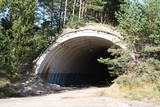 |
This was at one time an important element in the protection of Soviet Latvia’s shoreline. A visually interesting and impressive territory near the seashore, it has sadly not been properly managed and is thus full of trash.
|
|
|
|
Organic farm "Mežvijas" is engaged in vegetable growing, fruit growing and beekeeping and their processing - dried vegetables, berries, fruits, spice mixtures, candies, juices, syrups. |
|
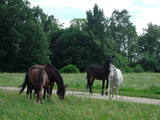 |
It is possible to look at different animals at the farm – horses, goats, rabbits, dogs, cats and marmots. It is possible to participate in farming tasks and try out farm instruments, to learn the steps of ancient dances, to walk along the animal paths and to taste pancakes baked on the open fire with goat cheese. You can also buy sauna accessories or herbal teas. |
|
 |
Biedrība ikvienam interesentam piedāvā praktiskas nodarbības ar taustāmiem rezultātiem - darbošanos ar savām rokām īstā darbnīcas vidē - koka amatniecība, rokdarbi, sveču liešana. Darbošanās patstāvīgi ar iespējamu palīdzību visos līmeņos, ko sniedz pieredzējuši meistari. Iepriekšējas iemaņas nav nepieciešamas. |
|
 |
The Pīlādži farm is in the Durbe Parish of the Durbe Administrative District. It is primarily a grain farm, but also breeds livestock and grows flowers and vegetables. |
|
 |
Находится~ в 4 км, не доезжая до Априки (установлен указатель) – Гибортское кладбище. Слепой Индрикис (1783 – 1828) был латышом, опубликовавшим первое собрание стихов на латышском языке (1806 г.). Индрикис был слепым с 5-летнего возраста и был необразован. Его стихи записал и издал в упомянутом году священник Априкского прихода K. Г. Элверфелдс. На кладбище установлен памятный камень (1935 г.) и созданное Вилнисом Титансом «Аустрас кокс» с надписью шрифтом Брайля. |
|
 2 days
|
This route leads through the Curves of Daugava nature park, which is an area that was once to be flooded for the construction of the Daugavpils hydroelectric power plant. The central artery in the park is the ancient Daugava River valley, and the specific here is eight grand curves with a length of 4-6 km. The highest banks of the river are at the so-called Daugava gate, with the mighty Ververi and Slutiški cliffs. More than ½ of the territory is forested for hiking, nature watching, berry picking and mushroom hunting. The Daugava River valley has one of the greatest diversities of flora -- >800 different kinds in all. This is also a multinational environment with Lettigalian, Lithuanian, Polish, Russian and Belarusian traditions and heritage. The Slutiški village, which is unique in Latvia, is popular among tourists. Route information from Latvijas Lauku forums |
|
|
|
Atrodas Raganas centrā pie degvielas uzpildes stacijas, viesnīcā „Raganu ligzda”. Piedāvā mūsdienīgu Latvijas virtuves ēdienkarti. Kompleksās pusdienas. Sadarbojas ar vietējām zemnieku saimniecībām. |
|
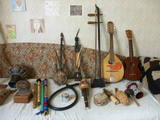 |
The craftspeople use natural materials to produce rattles, wind chimes and musical instruments. They teach children how to make pipes out of reeds. Aleksandrs has a collection of some 100 different instruments which he knows how to play. You can commission or purchase products from the craftspeople. |
|


