
| No | Name | Description |
|---|---|---|
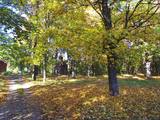 |
Puša Manor - Chapel was built in the end of the 18th century; it is located
in the Pušas Manor park that was built in the middle of the 19th
century. Both are permanent local architectural monuments.
|
|
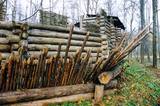 |
The artist Agris Liepiņš was the initiator of the project to recreate a 12th-century Ancient Latvian wooden castle. The building was erected in 1997 on the basis of samples from the remnants of castles found at various castle hills in Latvia. This is an idealised version of the residence of Uldevens, who was once the senior official of the Lielvārde region.
|
|
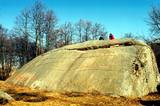 |
This is the second largest rock in the Baltic States in terms of size (728 m3). It is the only rock in the Baltic States with this form and size. It is 7 m high, 19 m long, 11 m wide, and 58 m in perimeter. Kabelikivi looks like a cliff that is halfway sunk into the earth. During the Ice Age, the rock “travelled” to this location from southern Finland. It is made of granite, and there are two other very impressive rocks alongside it.
|
|
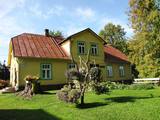 |
Pēteris Barisons (1904-1947) was a Latvian composer and conductor, and this is his birthplace – the Skudras homestead. The exhibition features the composer’s personal items, including musical instruments, documents and other bits of evidence about his life. Call +371-6512-9504 to arrange for a visit. |
|
 |
The café is in the market square of Vecpiebalga, opposite the Lutheran church. It works with local farmers and sells products from a local smokehouse. |
|
 1 day
|
Tūrisma gide Ineta Jansone piedāvā ekskursijas grupām pa Raganu purvu. Izveidota taka uz sēra dīķiem (koka celiņi 800 m garumā). Ekskursijas laikā Jūs uzzināsiet par augstā tipa purvu un unikālu biotopu – sēra avotu izplūdes vietu Ķemeru Nacionālā parka teritorijā. Šeit sastopami savdabīgi purva ezeriņi, piesātināti ar sēra baktēriju radītām nogulsnēm. Ezeriņu krastos sastopami īpašu sugu augi. Sēra dīķu apkaimē var sajust gaisā sērūdeņraža smaržu. |
|
 |
Rokdarbniece Vineta Meistere piedāvā apskatīt, pasūtīt un nopirkt gleznas, dienasgrāmatas un recepšu grāmatas, kas izšūtas krustdūriena tehnikā. |
|
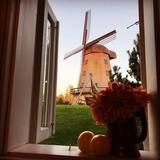 |
During a tour you will be served homemade bread, cheese, meat and beer. You will visit an ancient garden with an alley of linden trees and a park of deer and mouflons. Children will love to pet the geese, rabbits and donkey. |
|
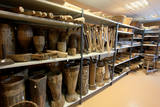 |
Ethnographic and household storage in Sarkaņi offers craft tools collection, furniture and household collection, 19th and the end of the 20th century living room furnishings, and the exhibition dedicated to Madona countrymen. (Source: Madona TIC) |
|
 |
The craftsman produces bespoke and elegant interior design objects such as wooden furniture (closets, beds), stairs and other useful items. He will be happy to share his knowledge and experience. Among other things, Andris Prikulis has built several wooden altars for churches. |
|
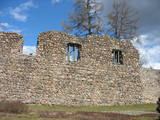 |
Work on the Valmiera Castle began in 1283. The castle was burned down in 1702 during the Great Northern War, and the city’s walls were torn down in the late 17th century. Ruins of the castle and remnants of other Medieval fortifications have been preserved.
|
|
 |
Rabbit farm offering rabbit meat, skin and its products. The key to success is high-quality food, veterinary care and good rabbit-keeping conditions. |
|
 |
Organically grown herbs, evenings round the campfire, food cooked according to special recipes. Energia farm grows medicinal plants, offers goods and services related to herbs and positive energy. |
|
 |
Četrus kilometrus gara marķēta lokveida taka, kas ved pa lielāku meža masīvu, iepazīstina ne tikai ar augiem un dzīvniekiem, bet arī mežsaimniecības tradīcijām. Takas sākums atrodas pie nelielā Perejerves ciema, uz kuru paveras labs skats no tuvējā paugura. Pie autostāvlaukuma izveidota atpūtas un piknika vieta. |
|
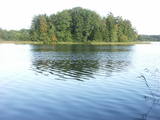 |
This restricted area protects Lake Jumurda, which is in the central part of the Vidzeme highlands, along with its three islands, the local broadleaf forests, and the surrounding landscapes.
|
|
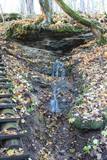 |
Litorīnas jūras laikā (pirms ~ 6000 gadiem) Saleveres Salumegi kalns bija sala, bet mūsdienās tas kā izteikta kāple (īpaši - ziemeļu pusē) paceļas virs Piejūras līdzenuma. Salumegi ziemeļu pusē slejas 4 - 5 metrus augsts kaļķakmens atsegums – silūra perioda (> 400 mlj. gadu) koraļļu rifa paliekas, kuru noskalojuši Litorīnas jūras viļņi. Atseguma piekājē izplūst Acu avots, kam piedēvē dziednieciskas īpašības. Salumegi apskates nolūkos izveidota lokveida taka (1,5 km). No kalna augšas paveras labs skats uz Matsalu līci. Šeit atradies arī sens pilskalns. |
|
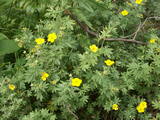 |
This is a swamp into which sulphurous waters flow, and it is on the left bank of the Abava River valley. This is the only place in Latvia where the protected shrubby cinquefoil is found in the wild. This bush covers approximately one-fifth of the restricted territory. It also includes forests, various kinds of meadows and sulphurous streams, including the one which is known as the Devil’s Eye. |
|
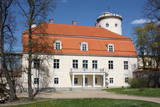 |
The New Cēsis Castle (Pils Square 9) was built in 1777 as a residence for Karl Eberhard von Zievers, and it is home to the Cēsis Museum of History and Art, which was opened in 1949. The building has a neo-Gothic tower decorated with curved arcades and window apertures. It is one of the first examples of eclecticism in Latvian architecture. Beginning in 2012, the museum will feature a modern exhibition under the title "Latvia: Symbol of Latvian History." This will be an interactive exhibition featuring the history of Cēsis and its environs since the era of the Vendians and up to the early 20th century. There will be sections on the history of the Latvian flag, the lives of the Zievers dynasty, and the family's great contributions toward the development of Cēsis. The third and fourth floors of the castle are dedicated to temporary exhibitions, and there is a special room there for families and children. The tower of the castle offers the best view of the Cēsis Castle ruins, the old town, and St John's Lutheran church. |
|
 |
The restaurant-cafe Moka is situated in Estonia, in the city of Tartu, not far from Tartu university and offers a wide variety of foods. |
|
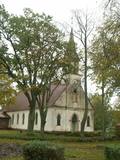 |
An ancient territory inhabited by Livs already since the 5th – 6th century. In 1226 Bishop Albert built a castle on the right bank of Salaca river estuary, which has not been preserved until now. Salacgriva development also (similar to Ainazi) has been associated with the establishment of the port in the turn of the 19th – 20th century. Salacgriva became an important handling and transport hubs of products manufactured in Northern Vidzeme (especially timber). During the Soviet period, in the Northern part of Salacgriva established the Fishermen Park with one of the best small town stadiums and open air stage. During that time, the products of fish processing plant "Brīvais vilnis" was well known in the territory of USSR - especially sprats. Salacgriva is one of the two places in Latvia, where the weirs are still used for lamprey fishing. |
|


