
| No | Name | Description |
|---|---|---|
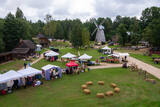 |
The venue features tools, farm machines, mechanisms and everyday objects that are typical of Latvia’s countryside. These are both in the yard and in the buildings of the enterprise. You can help to bake bacon rolls and loaves of bread in areal country oven. The owners will be happy to provide you with an informative tour. Water mill that is used for grinding grains: coarse milling, pearling, and making groats. At the annual Sowing Festival and Harvest Festival, the exhibited steam-powered machine and threshing machine can also be seen in action. During festivals, countryside markets and tastings also take place. |
|
 |
The saloon is in the restored complex of the Smuku Estate (16th century). During the summer, meals are served on the terrace of the “Zirgu stallis” guesthouse, while during the winter, they are served alongside the fireplace in the bar. Latvian cuisine: Milk dumpling soup with dried bacon (Kurzeme lunch), herring baked on coals, stacked rye bread with whipped cream, “countryside milk bun” (fresh milk, sugar, cinnamon, berry sauce), a cheesy potato with honey-roasted pork. |
|
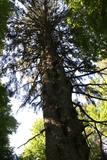 |
This is the thickest and mightiest Norwegian spruce (Picea abies) in Latvia. Its monolithic trunk, with its small holes, is unusual. The tree is in the overgrown park of the former Īve Estate, behind the ruins of the mansion.
|
|
 |
This is a small area with lots of different terrains – high hillocks, distinct river valleys, thermal streams, continental dunes, etc.
|
|
 |
Atrodas ~ 1,5 km ziemeļos no Krāslavas centra, Jāņupītes krastā (ir norāde). Pēc atsevišķiem savrupatradumiem var spriest, ka pilskalns apdzīvots laikā no I g. t. pr. Kristus līdz vēlajam dzelzs laikmetam. Domājams, ka savu nosaukumu tas ieguvis šeit sastopamo mālu dēļ. Nelielas mālu ieguves vietas pilskalna nogāzēs ir redzamas arī šodien. Saglabājies nostāsts, ka grāfs Plāters šeit apraudājis savu sievu, kuru pats neuzticības dēļ licis iemūrēt pazemē. |
|
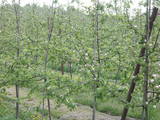 |
One of the loveliest apple orchards in Latvia (~10 ha, 30 types of apples) is on the sides of impressive hillocks. During clear weather, you can see the Bay of Rīga from atop the hillocks. The farm is particularly beautiful when apple trees are in bloom. Apples are available for tastings and purchase. |
|
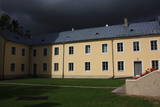 |
The origins of the castle date back to 1237. The closed yard that was typical of Medieval castles has been preserved. The interior took on its Historicism design in the mid-19th century, but there are also more ancient elements such as the gate tower, the basic walls, the firing apertures, the vaulted structures, the window apertures, etc. The Jēkabpils Museum of History was installed in the castle in 1994, and it can be toured in the company of a guide or an audio guide. |
|
 |
Auf einer hohen vom Wald bedeckten Düne, wo sich in 14 – 15 Jh. ein heidnisches Heiligtum und eine Sternwarte befand, wurde 1869 eine Kapelle und Skulptur erbaut. Eine Geschichte über Priesterin Birute, die das Großfürsten Kestutis geheiratet und den Sohn Vitautas geboren hat. |
|
 |
The craftsman offers useful household products such as terrines, pots to make pickles, dishes of sugar and salt, bowls, etc. You can learn about pottery traditions and watch as the kiln is opened. |
|
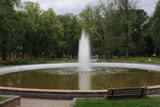 |
Mūsdienās redzamais parks starp Rīgas un Parādes ielu tapa vairāk nekā pirms 100 gadiem un tā patrons bija pilsētas pirmais mērs - Pāvels Dubrovins (1839. – 1890.). Pilsētas „zaļā saliņa”, kuras centrā atrodas strūklaka, ir iecienīta atpūtas un pastaigu vieta. Atraktīvs ir no bronzas veidotais piemineklis (2007. g., tēlnieks A. Tartinovs),kas veltīts pilsētas pirmajam mēram. |
|
|
|
The Boulder of Subinaite can be found in Sakstagala rural municipality opposite Vaļenieku House that
is on the left side of the river Rēzekne. The base of the boulder is below the river level; it is 5,2 m long, 4,4
m wide, it rises about 1,6 m above the water level, about 2,5 m below the water level, capacity 26 m3.
Reddish surface is heavily eroded and full of moss. Protected since 1977.
|
|
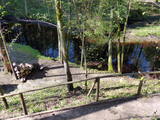 |
Pie Gārsenes pils atrodas bijušais muižas parks 4ha platībā un pie tā sākas arī Gārsenes dabas takas. Dabas takas vēsturiski tika veidotas vienlaicīgi ar pils kompleksa būvniecību un ieeja takās atrodama pie mākslīgi veidotā, ar bruģa pamatni izliktā barona peldēšanās dīķa. Takas sākumā saglabājusies ošu aleja, ko savulaik stādījis barona dārznieks, savukārt taku vidusposmā apmeklētājiem ir iespēja pasēdēt uz Barona krēsla - akmens ar cilvēku veidotu sēdvietu tajā. Kopumā Gārsenes mežā vijas dažāda garuma labiekārtotas pastaigu un izziņas takas - Kultūrvēsturiskā taka, Zaļā taka, Baronu pastaigu taka, Staburaga taka, ar ierīkotām atpūtas un ugunskuru vietām. Takās apskatāmi vairāk kā 40 unikāli dabas objekti, gan dižakmeņi, gan dižkoki, kā arī un pagasta ievērojamākie arhitektūras un kultūrvēstures pieminekļi. No 2016.gada maija Dabas takās ietilpst arī „Krēslas stundas taka”, kas īpaši patiks zinātkāriem mazajiem ceļotājiem. Taka stāsta par Rūķu dzīvi mežā un tās veidošanas pamatā ir stāsti no „Lielās Rūķu enciklopēdijas”. |
|
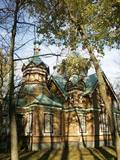 |
Located at 1 Katedrāles Street. The oldest church in Ķemeri was built in 1893 in the style of the wooden churches of the Northern Russia. (Architect V. Lunskis). Near the church, there are buried 97 Russian soldiers killed in World War I for whom in 1925, a monument was unveiled-a black marble cross. Not far from the church you can find the Brethren's Cemetery and a monument to the Soviet soldiers who died from the wounds in World War II and after the war. This is the oldest church in Ķemeri. According to legends, it is built without a single nail. You can see the church during the worship but the visitors must be appropriately dressed! During the rest of the time, the building can be viewed from the outside. |
|
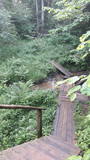 |
Šis avots ir pazīstams kopš seniem laikiem. Kalpo kā laba dzeramā ūdens ņemšanas vieta. |
|
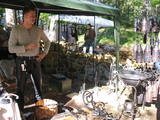 |
The workshop offers a look at lanterns, candelabras, hinges, fireplace tools, stair railings and gates that have been manufactured there, as well as several exhibits from the 18th century. You can produce your own nail, and the blacksmith will also “test” young couples. He also accepts orders for products. |
|
 |
This is one of the most beautiful gardens in Nīca, particularly featuring hostas and maple trees. There are more than 130 varieties of hostas, as well as 25 maple trees. The large pond features fish that can be fed, and visitors will enjoy the beauty of the garden. Guests will particularly enjoy the impressive homestead sign that was created after a long search. The garden has done will in beautiful garden competitions at the level of Nīca and the level of Latvia. |
|
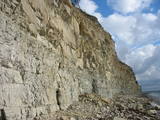 |
The highest and most beautiful wall of cliffs on Saaremaa Island (up to 21 m high), stretching along some 3 km. During strong winds from the W or NW, a part of the cliff is washed by the waves of the sea. The open face of the cliff has limestone, marls and dolomite, and there is a wealth of fossils at the base of the cliff – corals, stromatoporids, etc.
|
|
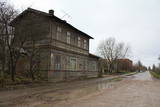 |
Taisnā Celtnieku iela ir bijušās Liepājas – Aizputes šaursliežu dzelzceļa (celta 1900. gadā, 49 km gara) līnijas „trase”, kuras malā (Celtnieku ielā 50) redzama bijusī dzelzceļa stacijas ēka. |
|
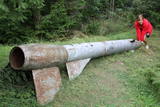 |
Der weiteste Nordpunkt der Juminda Halbinsel mit einer Raketen-Attrappe der Sowjetarmee, der alten Grabstätten, dem Juminda-Leuchtturm und einem Denkmal für die Opfern des Zweiten Weltkriegs. |
|
 |
The farm on the banks of the River Navesti is Estonia's largest company engaged in the cultivation and processing of organic medicinal herbs. The farm has an education and health path of medicinal herbs, open from May to September. The Energy Eco-Spa offers holiday, conference and accommodation services with a sauna. Spa experience is with local, ecologically grown herbs together with clay, peat and natural plant oils. Baths, wraps and massages help the body to function naturally and holistically. All the products are natural and fresh and are prepared just for you immediately before the treatment. Farm has a tea house completed in 2010 which is suitable for holding seminars, relaxing and in the summertime also for having meals. Herb presentations are held there - first on the field and then in the tea house. There is also a 13-metre viewing tower by the river from which you can get a good overview of the lands of the farm. |
|


