
| No | Name | Description |
|---|---|---|
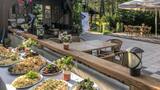 |
The “Banquet With Fishermen” event in Roja allows guests to examine the work of fishermen and to enjoy the seafood which they produce. Guests will ride out into the sea in fishing boats and then dine together with the fishermen (fish soup cooked on a campfire, rye bread, butter, smoked fish, beer or kvass, and pastries). The fishermen will teach guests local songs and dances, as well as games related to strength and cleverness. The “Otra Puse” restaurant offers meals. Latvian cuisine: Fresh fish (“The Morning Catch”), Latvian onion soup, porridge, grit sausage, smoked fish, potato pancakes, rye bread dessert, beer, the “Dzimtenīte” beverage, herbal tea, birch juice, apple cider. Special foods: “Made in Roja” – fish from the region, “mackerel in in grass,” “cottage cheese tower with fresh strawberry sauce”. |
|
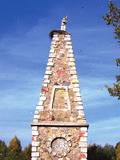 |
Monument „Carrier of the Cross”. Statue of Christ carrying His Cross is placed on a high pedestal of
the pyramid shape. The pedestal was built in 1828 by dean and writer Jāzeps Kirkillo from Rezekne. In 1918,
the monument was renovated. The new statue was placed in 1918. The monument was rebuilt once again
in 1990.
|
|
 |
This viewing tower is on a narrow peninsula among Lake Lukna, Lake Višķi, and Lake Boltars. From it, you can see all three lakes, the hillocks of the area, as well as Ambeļi and Višķi. Come here when the bird-cherry trees are in bloom!
|
|
 |
The "Jumis" café is on the side of the Rīga-Liepāja highway (A9). The interior is finished in wood. Latvian cuisine: Cottage cheese with herring and soured cream, farmer’s breakfast, mushroom soup, pork cooked in onions, sautéed liver, homemade steak haché, grilled pork ribs, potato pancakes, stuffed pancakes. Special foods: The “Jumis” pot of ham. |
|
 6 days
|
From Riga the route goes to the goats farm where to enjoy funny and cute animals and try exclusive cheeses. Then visit Mālpils Manor and taste the selection of local cheeses made from cows' milk. Afterwards the route turns towards Daugava river to Skriveri for some gorgeous home made ice-cream and traditional hand-made toffees "Gotiņa". Further on head to the legendary Koknese castle ruins. Next day the route goes to the ethnographic working farmstead located in picturesque spot of Jaunpiebalga and family cheese and macaroni production in Rauna. Nearby there are clay production established within the former brick factory where the hand-made ceramics creation can be observed. Then sightseeing in Cesis with its old town and medieval Livonian Order Castle. Further on the route goes to hemp growing farm where to taste them prepared traditional way. Then you have an excursion and tasting at the Rujiena ice-cream factory. Stay at the former mill where ancient wool processing equipment are still used and can be seen. Heading back to Riga the route follows the coast line. Visit the museum of the biggest liar in the world - Munchausen, where you are entertained with his fantastic adventure stories, visit the lamprey fishermen and have a stroll on sandy beach. |
|
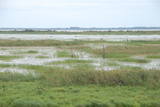 |
The Lake Lubāns, wetland of Lubāns. Lubāns (80.7 km2) is the largest lake in Latvia and the most popular
lake and wetland in Europe. The lake and the wetland has biodiversity; a unique place not only in Latvia,
but also internationally. Nature Reserve is included in the European Union network of protected areas and
NATURA 2000 under the Ramsar Convention criteria as the wetland of international importance. Lubāns wetland,
called marshy meadows, includes bogs, wet meadows and wet forests. In autumn and spring the lake
attracts thousands of migratory waterfowl which is easily to wach from the bird observation towers or the terrace
of water tourism development center.
|
|
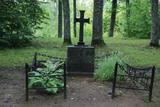 |
To the North of the Cesvaine Castle is a park that is crossed by the rapidly flowing Sūla River. The Cesvaine castle hill is on the northern bank of the river, is around 15 m high and is covered by trees today. The grave of the owner of the castle, Adolf von Wolff, is there. It is said that he wanted to have his casket dragged to the gravesite on a sled. He died during the summer, but that was done anyway. The park features a wide diversity of trees and bushes, some of which the owner brought home from his extensive travels. |
|
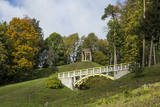 |
Temple Hill is steep (with artificially created steepness) and about 30 m high, and it is opposite Marijas Island. It is an ancient Lettigalian castle hill, 80 m long and 40 m wide, with several artificial ramparts. One of the oldest objects found in the region is an axe from the 2nd to 3rd millennium BC. Archaeologists believe that the island was populated at that time. There was a Lettigalian castle on the hill during the 10th and 11th century, but it was sacked by the Holy Crusade. The surface of the castle hill was transformed comparatively recently in 1807, when a granite rotunda was built there in honour of Russian Field Marshall Sheremetev and Swedish captain Wulff. The view of Lake Alūksne and the town is one of the most beautiful ones in all Vidzeme. The Sun Bridge (1937) is also worth a look. A wooden viewing platform is nearby. |
|
 7 days
|
Our tour leader will meet you at the Riga airport. Depending of the flight time we' ll have an excursion of Riga Old Town and the Central Market listed in UNESCO World Heritage list. Next day we visit potatoes grower near Iecava and successful local multi-sectoral agricultural enterprise at Tervete which combines horse breeding, brewery, crop growing, dairy farm and bio energy production. Also we will visit one of the biggest medical herb growers and producers of the herbal teas. After full day of professional visits, we' ll taste Latvian traditional food and beer in a traditional tavern in Riga. Then we will visit two cattle growers at Sigulda and Cesis area, climb up the tower of Turaida Castle for a great panoramic view and walk charming streets of Cesis Old Town. Afterwards we will visit ecological sheep farm near Valka and stay overnight at the Koni Mill where wool is still processed traditional way, warm blankets and beautiful bed linen made. |
|
 |
The town's name in historical sources was first mentioned in 1224. In 1340 Archbishop of Riga built a stone castle at the Latgalian hill fort (now - the Lutheran Church). In 1802 (owned until 1920) Vecgulbene estate was bought by Baron G. Wolf. Manors in the surroundings of Gulbene and Vecgulbene castle substantially suffered during the Revolution in 1905 and in the further historical events. Today, there is a substantial change in the landscape, especially in the area of White Castle, where a large-scale restoration works occurred in recent years. Either way, - Gulbene is the place worth visit to get new impressions and knowledge. |
|
 |
The café is located in the centre of Tukums. Latvian cuisine: Boiled tongue, tongue salad, potato salad, cod liver salad, quenelle, bean or sorrel soup, sautéed mushrooms, homemade steak haché, crepes, crunchy oatmeal, strawberry soup. |
|
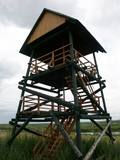 |
The tower is on the western shore of the lake, next to the dam and the Zvidze canal. From here you will see the overgrowth north-western part of the lake, Akmeņsala Island, and a wide area of open water. The third is on the southern shore of the lake, by the dam and the Īdeņa canal. Here you will find typical views of wetlands – areas of reeds, shrubbery, wet meadows and the overgrown lake. |
|
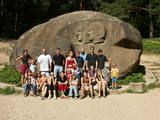 |
The “backbone” to this park is the valley of the Šventoji (Holy) River. One of the most impressive Devonian cliffs in Lithuania can be seen from the river – Vetygalos atodanga. On the shores of the Varius stream is a cliff made of quartz and sand – Variaus atodanga. 6 km to the S of Anykščiai is Lithuania’s second largest rock (5.7 m high, ~100 m3) – Puntukas akmuo.
|
|
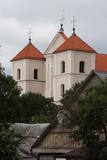 |
Baznīca atrodas Sodu ielā (Sodų gatve) 8. Tās pirmsākumi meklējami 1409. g. (viena no vecākajām Lietuvas baznīcām), kad Lietuvas dižkunigaitis Vītauts Dižais izveidoja Traķu apgabala baznīcu. Dievnams joprojām ir pazīstams ar 1123. g. Konstantinopolē gleznotās Traķu Dievmātes gleznu, kuru it kā Vītautam 1390. g. uzdāvinājis Bizantijas ķeizars Emanuels Paleologs II. Šis fakts gan ir jāuzskata par leģendu, ko aprakstījis vēsturnieks Albertas Vijūkas – Kojalavičius, jo 1645 g. gleznas restaurācijas laikā noskaidrojās, ka tā ir tapusi 15 gs. beigās vai 16. gs. sākumā. Traķu Dievmātes glezna ir pirmā Lietuvas pāvesta vainagotā glezna (vainagošanas ceremonija notika 1718 g.), pēc kuras brīnumus piedzīvojuši daudzi ticīgie - gan katoļi, gan pareizticīgie, gan pagāni, gan tatāri. Latvijā - Aglonas bazilikā atrodas šīs gleznas kopija, ko uzskata par svētu! Vislabākais skats uz baznīcu, Traķu ezerpili un Traķiem paveras no klaja paugura Galves (Galvė) ezera ziemeļu krastā. |
|
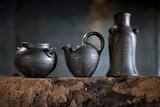 |
The potter uses the black (smoke) technique to create his artworks, and he uses clay from Latgale. He uses no industrial equipment in his work, and the kiln is fired with firewood. You can watch as he creates dishware on a foot-powered potter’s wheel and talks about the firing process. You can work with clay and purchase finished products. |
|
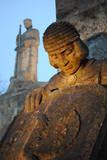 |
Brāļu kapos apbedīti aptuveni 2000 karavīru. Pirmos kritušos strēlniekus — Andreju Stūri, Jēkabu Voldemāru Timmu un Jāni Gavenasu — apbedīja 1915. gada 15. oktobrī. Sākot ar 1915. gadu, kapos sāka apbedīt Pirmā pasaules kara kaujās kritušos strēlniekus, vēlāk Februāra revolūcijas laikā nošautos kareivjus. Stučkas valdības laikā 1919. gada pavasarī šeit apbedīja Brīvības cīņās pret vācu vienībām un Dienvidlatvijas brigādi kritušos latviešu strēlniekus. Pirmās Latvijas brīvvalsts laikā Brāļu kapos apbedīja ap 800 Latvijas armijas kareivjus un virsniekus. 1941.—1942. gadā Brāļu kapos apbedīja 15 nacionālos partizānus, kā arī pārapbedīja komunistiskā režīma terora upurus. Līdz 1944. rudenim šeit apbedīja arī vairākus desmitus bijušās Latvijas armijas virsnieku un karavīru, kuri bija dienējuši Latviešu policijas bataljonos un Latviešu leģionā. Abās pusēs ieejas vārtiem (augstums 10 metri, platums 32 metri) divas jātnieku skulptūru grupas (augstums 3,3 metri). Liepu gatve (205 metri) savieno vārtus ar galveno terasi, kuras centrā novietots 1 metru augsts mūžīgās uguns altāris, bet abās pusēs ozolu birzis. No terases abpusējas kāpnes ved uz regulāri veidotu kapulauku. Tā malās atrodas divas "Mirstošo jātnieku" skulpturālās grupas (augstums 3,6 metri), vidus daļā atrodas augstcilnis "Kritušie brāļi". Pret katru kapa vietu novietota smilšakmens vai plienakmens plāksnīte ar kritušā uzvārdu un vārdu vai uzrakstu "Nezināms". Ansambli noslēdz 6 metrus augsta siena ar Latvijas apriņķu un pilsētu vēsturiskajiem ģerboņiem. Pie sienas atrodas četri senlatviešu karavīru tēli, kas simbolizē Latvijas novadus - Kurzemi, Zemgali, Vidzemi un Latgali, bet tās centrā uz 9 metrus augsta sienas masīva paceļas monumentāla figūra "Māte Latvija", kas noliekusi vainagu pār kritušajiem dēliem. Brāļu kapu memoriālais ansamblis ir izcirsts no Allažu šūnakmens, izmantots arī Itālijas travertīns un smilšakmens. Pirmmetu izstrādāja tēlnieks Kārlis Zāle, arhitekts Aleksandrs Birzenieks, Pēteris Feders un Andrejs Zeidaks. |
|
 |
This is one of two sanatoriums in Jūrmala where mud from the surrounding area is used for medical procedures. The Jūrmala Spa Museum of History was opened here in 2009, and it offers interesting information about the history of the spa and the sanatorium. You will see historical photographs and medical equipment from the 1970s and 1980s. Guides will tell you all kinds of interesting information. |
|
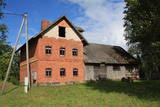 |
Braucot cauri Kaives ciemam, var pievērst uzmanību Kaives muižas „atliekām”. Vietas vēsture ir sena, jo jau 1440. gadā Livonijas ordeņa mestrs piešķīra šeit īpašumu Johanam Kaivenam. Kungu māja gāja bojā 1905. gadā, bet pārvaldnieka ēku nopostīja 2. pasaules kara laikā. 1956. g. nodega kalte, bet pirms trijām desmitgadēm - muižas krogs. Līdz mūsdienām palikusi tikai 1861. gadā celtā magazīna (sarkana ķieģeļu ēka) pakalnā un tai blakus esošais parks, kurā izveidots neliels skulptūru dārzs, estrāde un atpūtas vieta. |
|
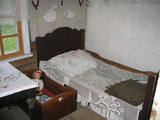 |
The main building of the museum features an early 19th C. threshing barn with a dirt floor, the living quarters were added in the late 19th C. The museum also exhibits a smoke sauna, summer kitchen, granary, cellar, coach house and a dining house (formerly a cattle shed). All buildings have a display of tools and everyday commodities, traditional farm food can be booked in advance and handicraft workshops are available. |
|
 |
The Skala silence home is on the banks of the ancient Nevežio river valley. You will be served happy dishes from everything that is grown at the farm. |
|


