
| No | Name | Description |
|---|---|---|
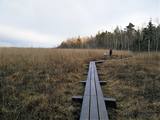 |
Taka atrodas Riekstusalas pussalā, netālu no putnu vērošanas torņa. Uz peldošiem pontoniem celtā laipa iepazīstina ar Kaņiera ezeru „tuvplānā”. Var iepazīt niedrājus, to putnus, labi redzamo ezera gultni ar zivju mazuļiem un kalcifilām augu sabiedrībām. Laipa aizved līdz salai, uz kuras aug kadiķi. |
|
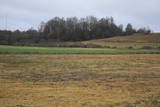 |
Atrodas Vārtājas ielejas labajā krastā un labi saskatāms no Priekules – Grobiņas (P106) ceļa. Senās kuršu zemes – Piemares pilskalns, kas vēstures avotos pirmo reizi minēts 1253. gadā – līgumā starp Kurzemes bīskapu un Livonijas ordeni. Viens no lielākajiem Dienvidkurzemes pilskalniem. Iespējams, ka iepriekš – arī sens kulta kalns. Pagājušā gadsimta sešdesmitajos gados veiktajos arheoloģiskajos izrakumos konstatēts, ka pilskalns bijis apdzīvots jau vidējā dzelzs laikmetā. Pie tā konstatēta liela senspilsētas vieta. |
|
 |
Handicraft house Heltermaa is a local Hiiumaa grocery and handicraft shop, open during the summer season. The selection is very wide, starting from ceramic dishes and ending with Hiiumaa lemonade. |
|
 2 days
|
This part of the Forest Trail passes through the historical centre of Valmiera. In Valmiera you can visit St. Simon’s Church, the Ruins of the Livonian Order Castle and Valmiera Museum. We also suggest walking the barefoot trail in “Sajūtu Parks” (Park of Senses). After sightseeing in Valmiera, the Forest Trail goes through Atpūtas (Recreation) park, the beautiful pine forest and Baiļi winter ski centre. Further on you will walk along the River Abuls Trail, curving along the banks of the river until reaching the Brenguļi brewery built in an old Hydroelectric power plant. You can enjoy unfiltered and unpasteurised beer here. Further down you will enter unpopulated forest areas and the Northern Gauja protected landscape area. The forests in Northern Gauja (“Ziemeļgauja”) are very diverse. There are old or natural boreal (northern) forests and marsh forests, oak forests, alluvial forests (formed on river sediments which periodically flood) and mixed oak, wych elm and ash forests along the river. The tour will end in Strenči Town. |
|
 |
This is an unusual farm, one with no electricity (its owners use candle lanterns and petroleum lamps), with all work done by hand. Visitors can watch the milking of goats, the subsequent handling of milk, and the production of cheese. They can help to harness horses, try out sleds on wheels, and work with a scythe and a sickle. Livestock raised in the Latvian countryside can be viewed. |
|
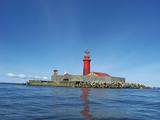 |
The Kolka lighthouse is on an artificial island which was created
between 1872 and 1875. The original lighthouse was made of wood, and
its light was first lit in June 1875. As the island settled into the sea, the
current tower was built. It began operations on July 1, 1884. Today the
lighthouse is six kilometres from Kolkasrags at the end of its sandy
shallows (back when it was built, it was just five kilometres away). The
island still has the building for the lighthouse supervisor, as well as
several outhouses. The metal lighthouse which is there now was built in
St Petersburg. It has been an automated lighthouse since 1979.
|
|
 |
Meklējams 0,3 km no Līvānu dzelzceļa stacijas – Fabrikas un Stacijas ielu krustojuma tuvumā. Ideja par Līvānu atbrīvošanas pieminekli radās jau 1929. g., taču to īstenoja 1935. gadā (arhitekts Pāvils Dreimanis). Tā galvenais elements bija 15 tonnas smags Krievijas armijas pamests lielgabala stobrs. 1958. gadā pieminekli iznīcināja, jo tas nebija „tīkams” padomju varai. No jauna to atklāja 2004. gadā. Piemineklis veltīts brīvības cīņās kritušo latviešu kareivju piemiņai, kuri 1919. g. ieņēma un atbrīvoja pilsētu no lieliniekiem. |
|
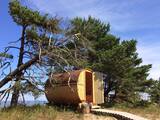 |
Happiness House (Laimes maja) is a recreation place situated in a very beautiful place on the seashore – on Cape Kolka. Here you will have a chance to relax, watch sunrises and sunsets, enjoy the sea, quiteness and peace. |
|
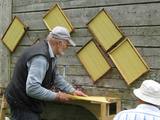 |
This farm offers tours, seminars and training for beekeepers. You can visit the bees, help to grow queen bees, produce honey and candles, and taste some of the good things that come from beehives. This educational facility will inform you about beekeeping traditions and allow you to work as a beekeeper. The owners share their knowledge during training sessions. |
|
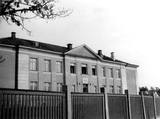 |
The roots of Saulkrasti Secondary School reach back to Pabaži, to 1912, when a young teacher – Olga Veicmane (after marriage: Cīrule) arrived from Riga to teach the sea captain Reisons’ daughter. Soon many other tutor-seekers joined her and in autumn of 1912 a school was established in Pabaži. The school had a good reputation, and pupils came from the entire surrounding area. In January of 1913, the school was moved to more spacious premises at 20 Rīgas Street. |
|
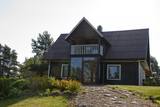 |
Ciemos gaidīti gan pāri, gan ģimenes, gan draugu kompānijas. Lauku sēta sastāv no piecām ēkām. Neskartā daba un tīrais gaiss ļaus atpūsties pilnīgā klusumā. Ap 50 m no Šventosios (Svētās) upes atrodas galvenā ēka, kurā ir divas guļamistabas ar tualeti un dušu nakšņošanai līdz 10 personām. Pirts namiņš būs ērts draugu lokam līdz 9 cilvēkiem. Pieejami trīs jauni VIP namiņi 2-4 cilvēkiem upes krastā. Piemērota vieta kāzu, dzimšanas dienu u.c. svinībām. |
|
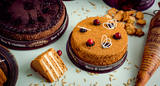 |
Inese bakes honey, chocolate and cottage cheese tortes, using only natural ingredients from Latvia. Visitors can learn how to bake tortes, taste and purchase them, and order cakes for themselves. |
|
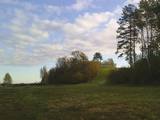 |
Īdeņa Castle mound is located near Lake Lubāns. A beautiful view
to the lake and to the marshy meadows. The place was inhabited from
the 11th century.
|
|
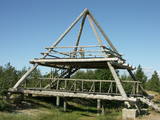 |
This is the only viewing platform of its kind. It is north of Pāvilosta, between the sea and Latvia’s largest gray dune. The second level of the platform offers a good view of the habitats which surround the dune, as well as the seashore and the largest seashore rock on the shores of the Baltic Sea – the Pāvilosta sea rock. You can also see the northern part of Pāvilosta. When it is windy outside, you’ll see kiteboard riders showing their tricks.
|
|
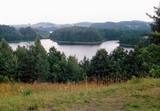 |
Vermutlich ein heidnischer Hügel. Schöner Blick auf die 6 Seenlandschaften. Ein Symbol vom Nationalpark. |
|
 |
Ap 400m garš un līdz 16m augusts atsegums upes kreisajā krastā.
|
|
 |
Atrodas Rīgas – Ventspils autoceļa (A 10) 92. kilometrā. Piedāvā ēdināšanas pakalpojumus, klāj galdus un organizē citus pasākumus. |
|
 |
The farm breeds cattle and grows vegetables. You can receive consultations and purchase seeds and vegetables. |
|
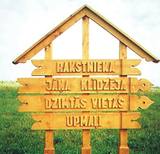 |
„Upmaļi” is the family house of writer Janis Klīdzējs who has written 8 novels, 11 storybooks, 2 essay books
and reflections about Latgalian catholic-Latvian mentality. Janis Streičs (famous Latvian film director) shot a film
based on the novel of Janis Klīdzējs called „The Child of a Man”.
|
|
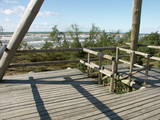 |
The Grey Dune of Pāvilosta nature reserve covers 42 hectares of land and has been designated to protect Latvia’s widest dune (1.5 km parallel the seacoast, and 812m in the direction from the sea to inland) and the biotopes and species found there. A two-storied watching platform is built to savour the scenery. In Soviet time, local fishermen used to dry seaweed in dunes for production of agar, and thus rich vegetation developed in the dune. The Gray Dune is part of a unique landscape with the sea view, the traditional architecture of Pāvilosta fishing town, and biotopes, including protected, which border the nature reserve: pine forest, embryonic dunes, white dunes, and wet beech where once can find springs. Biotope 2130, “Fixed dunes with herbaceous vegetation (grey dunes)” is found here. At present, pines are taking over the biotope, therefore some maintenance activities are required. The Grey Dune is most beautiful in the second half of July and in August when the blossoming Breckland Thyme (Thymus serpyllum) and Narrowleaf Hawkweed (Hieracium umbellatum) colour the dune in shades of yellow and violet. The most typical species here are Pasqueflower (Pulsatilla pretense), Grey Hair-grass(Corynephorus canescens), Blue Hair Grass (Koeleria glauca), Sand Pink (Dianthus arenarius). The Gray Dune earned wide recognition when a group of enthusiasts actively campaigned for six years to achieve the status of the nature reserve. Guna Grimsta, a group representative remembers that they organised events and activities throughout Latvia involving large part of the society, prominent personalities, church parishes, NGOs, school youth and university students. The activists were writing letters, making videos, doing research articles, composing music, collecting signatures and submitting proposals to achieve official status of the Grey Dune as an especially protected nature site. They organised seminars, concerts, art plenaires and exhibitions, educational excursions, joint-work, musical church services, meetings with high officials and their on-site visits to the Gray Dune. In 2006 the group received the title „Proudness of Latvia” awarded by the national TV3 broadcasting company and daily paper „Diena”. |
|


