
| No | Name | Description |
|---|---|---|
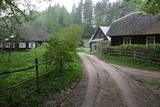 |
Liela meža masīva vidū gleznainās Būkas (Būka) upes krastos starp kokiem ieslēpies teiksmainais Vaišnoriškes ciems. Šis ir viens no skaistākajiem nacionālā parka etnogrāfiskajiem ciemiem. Vaišnoriške kā apdzīvota vieta sākusi veidoties 1756. g., kad šeit sena vēsturiska ceļa malā darbojies krogs. Pirmā viensēta ciematā ir zināma no 1830. g. Šodien redzamā apbūve ir tapusi g.k. 20. gs. sākumā. Ciems ir palicis cilvēku atmiņās ar liepu medu, jo meža velšu vākšana un biškopība bija viena no galvenajām šejieniešu nodarbēm. Tagad ciemā ir piecas sētas. No Vaišnoriškes var uzsākt laivu braucienu pa seklo un dzidro Būku. |
|
 |
The owners of Tahku coastal houses organise cucumber marinating and salting workshops with a happy mood. Cucumber festival Tahkuranna takes place every year on 20 August, and there you can buy canned cucumbers, local food and handicrafts, participate in master classes, and also make handicrafts. |
|
 |
A hospitable café and bakery, located in the very centre of Sigulda. The offer includes salads, soups and other hot dishes, as well as pastries and cakes. |
|
 |
Built in the 18th century and rebuilt in the mid-19th
century, the parsonage was the place where the Liv flag was first consecrated. Renovations
of the parsonage are underway at this time. Since September 2009, it has been used
by the Latvian Evangelical Lutheran Church as a rest home for its Recollection Centre.
|
|
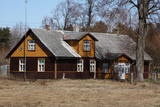 |
This set of buildings represents a homestead for a fisherman and a farmer. The house was built in 1926, and the ancillary buildings all date back to the first half of the 20th century. The homestead can be seen from the road. |
|
 |
Pajumäe is a small, nice organic farm located in the green Mulgimaa, and produces various dairy products. You will have the opportunity to look at all stages of milk production - from cows on the pastures to dairy processing. |
|
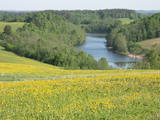 |
This nature park is located in the most distinct part of the Dagda hillocks of the Latgale highlands. Part of it is the deepest lake in the Baltic States -- Lake Drīdzis, which is 63.1 metres deep and has nine islands. Also there is Lake Otis. The loveliest views can be watched from the ancient Lettigalian castle hill that is known as Sauleskalns, and from the eastern shores of Lake Drīdzis. Accommodations are available near the lake. |
|
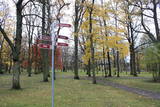 |
Viens no lielākajiem cilvēka veidotajiem Latvijasparkiem (70 ha), kas izstiepies no Liepājas ostas līdz Dienvidu fortam > 3 km garumā. Tā izveidi uzsāka jau 1870. g. pēc pilsētas mēra K. Ūliha iniciatīvas, uzbūvējot kūrmāju un strūklaku. 19. - 20. gs. mijā ap Dzintaru un Liepu ielām parādījās greznu villu un savrupmāju apbūve. Viena no skaistākajām ir jūgendstilā celtā savrupmāja Liepu ielā 27, kurā atrodas Krievijas ģenerālkonsultāts. Ēkai ir slēgta uzeja, balkoni, pildrežģa konstrukcijas un kārniņu jumts (arhitekti G. Jenike un P. M. Berči). Jūrmalas parks visās sezonās ir iecienīta pastaigu un dažādu aktivitāšu norises vieta. Te meklējams stadions „Daugava”, tenisa korti, koncertestrāde “Pūt, vējiņi!”, vasaras kafejnīcas, minigolfa laukums, bērnu rotaļu laukums, skeitparks. Šeit meklējamas lielākās Latvijas bungas – vides dizaina objekts. |
|
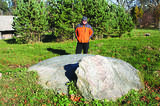 |
The surface of the rock once contained
text about the destruction of local Livs by Swedish King Charles IX and by the Black
Plague (the rock is on a spot where victims of the plague were buried, and the text
has been erased over the course of time). The smallest rock on the top, which also
used to have an inscription, has been brought here from the Pakalni homestead.
|
|
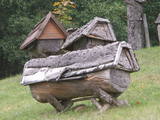 |
Das bekannteste Museum der Geschichte der Bienenzucht Litauens mit den Bienenhäusern verschidener Arte, der Arbeitsmittel der Bienenzüchter, Holzskulpturen und Hönigankauf. |
|
 |
Regīna Kalniņa is one of the best known craftswomen in Kurzeme. She weaves blankets and shawls and knits colourful mittens. She also sews Rucava and Nīca folk costumes. The process of weaving and knitting can be viewed. Regīna’s products are widely demanded in Latvia and in other European countries. |
|
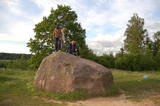 |
The rock is not too big (2.1 m high, 15 m in circumference), but since the early 20th century it has been a popular tourist destination. There is a lovely view of the
|
|
 |
The farm is located in a beautiful place, the food is delicious and the owners – very nice people. Guests are also provided with accommodation and a sauna. The farm grows and processes agricultural products. |
|
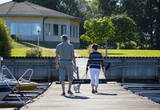 |
The hotel is situated near the sea in a peaceful environment, only a short walk away from the centre of Ekenäs in Raseborg. One can find restaurants, shops, the railway station and the beaches close by. |
|
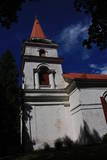 |
When you travel along the northern shore of Lake Sauka where the road to Klauce crosses your road, you will see the Sauka Lutheran Church among the trees. This is the third church at this location. It was opened in 1827 and can mostly be viewed from the outside. The altar is decorated with sculptures of St Peter and St Paul, as well as the altar painting “Jesus on the Cross with Mary and John,” which is by J. Doering. The organ was built by craftsmen in Jelgava, and the pipes were manufactured in Sauka. |
|
 |
The bar is in Tirgus Square in the historical centre of Dobele, offering Latvian cuisine and Tērvete beer, which is brewed from Latvian ingredients. A summer terrace is open during the season. Latvian cuisine: Cold soup, grey peas with bacon, Tērvete steak haché, Tērvete leg of pork. Special foods: Tērvete cheesecake. |
|
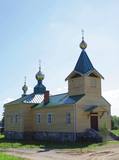 |
Tiskādi Orthodox Church is the cultural monument of the local significance. The construction works of the building lasted from 1829 to 1878. The
church was reconstructed in 2008. The church has antique icons and the library
of sacred literature.
|
|
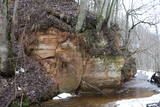 |
It is worth hiking this road where in crosses the Šlītere Blue Hills. This part of the road is approximately one kilometre long, and it goes down to the valley of the stream which crosses the hills. The place has been given a peculiar name – the Kušperlankgrāvis ravine (or the Zeltiņi ravine, as is claimed in other sources). If you're driving, be careful, because there is no bridge here, just a ford. During the early spring or the winter, you will appreciate the ravines and the impressive Blue Hills themselves. Impressive sandstone cliffs which are several metres high and have been vandalised by human hands are on both sides of the road. There is a small niche in one of the cliffs. To the right (East) from the road at the terrace of the Blue Hills is a side road which leads to the Mežlīdumi homestead. Please be gentle with the cliffs! |
|
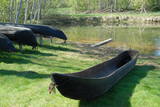 |
The Vienkoči Park features one-log objects manufactured by its originator. You can examine mock-ups of the Nurmiži Castle and other buildings including the Sand House, and you can also take part in thematic events. Men can produce equipment to drain birch juice from trees, wile women can try their hand at jewellery making from natural materials. People manufactured one-log objects during the Mesolithic Era, and one-log boats have been used since the 9th century (several of them can be seen at the park). |
|
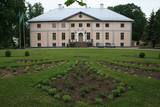 |
The manor’s castle was built in the middle of the 18th century (belonging to the noble kin of baron Medem) as a huntsmen castle. Later, in the 19th century, it was rebuilt by adding a second floor. The kitchen was situated in the vaulted basements of the castle and when the food was ready, it was brought upstairs in the elevator. The gantry entrance of the castle (late baroque) and marble buttons above it picturing the coat of amrs of the union of Medem and Keizerling noble kins, is one of the most valuable example of arts monuments of the 18th century. To this day there are various outhouses preserved- a threshing barn, a granary and a smithy, as well as the park. In front of the castle one can see a magnificent oak, which was supposedly planted by K.Ulmanis. From 1837 the manor’s castle has also served as a place for Vilce primary school. |
|


