
| No | Name | Description |
|---|---|---|
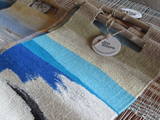 |
The artist’s workshop is in a lovely single family farm. She weaves tapestries, allows visitors to watch her at work, accepts commissions for tapestries, and sells finished ones. Many of her artworks are practical souvenirs or could be fine gifts for others. |
|
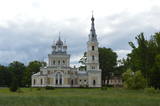 |
The owner of the Stāmeriena Estate was Baron Johann Gottlieb von Wolff, and his wife, Sofia Potyomkina, was a member of the Russian Orthodox faith, so work on the church began in 1902. It was consecrated two years later. The crosses on the steeple of the church are known for mountain crystals that were presented by the Wolff dynasty. Contact the church in advance for a tour of its interior. |
|
 |
The saloon is in the most popular pedestrian thoroughfare in Jūrmala. The wooden building is typical of the town, has a nice interior and offers Latvian cuisine. The saloon offers the largest selection of Latvian draft beers. Latvian cuisine: Lamprey chops, pike haché, potted lamb a la Courland, sautéed pork ribs, fried Baltic plaice, bread soup. |
|
 |
Atpūtas vietā ir apskatāmas 370 no koka veidotas skulptūras. Ir izveidoti 5 labirinti- 630 m garš pikants labirints ar “pipariņu” tikai pieaugušajiem, tulpju meditatīvais labirints, “Šausmu labirints”mežā, bērniem- 25 m garš labirints ar maldīšanos upenēs “Tracis”, zaru labirints “Dižputna ligzda”. 60 dažādas lielformāta brīvdabas spēles un atrakcijas. Dabas taka “Putnu iela”, kurā apskatāmi Latvijas dobumperētāju putnu būrīši. |
|
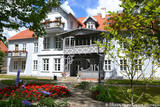 |
The Šilute Estate is often described on the basis of its last owner, Hugo Scheu, who bought the estate in 1889. He restored the estate's buildings and territory, also installing two parks, one for the estate, and the other one known as the "raven forest." Alongside the estate is an English-type park with strolling trails. The park is used by local residents and is on both sides of the curvy Scheu River, with the banks connected by pedestrian bridges. He park stretches to an old railroad bridge and has approximately 150 types of plants, including 40 types of trees and shrubs. |
|
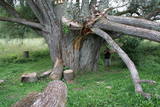 |
This is certainly the thickest White Willow (Salix alba) in Latvia and perhaps the thickest one in the Baltic States. Many of its mighty branches are resting on the ground, and the enormous monolithic trunk has been split. There’s a small information stand alongside the tree. A pathway which starts at the Raganu cliffs can be taken to the tree.
|
|
 |
The café is located in the centre of Tukums. Latvian cuisine: Boiled tongue, tongue salad, potato salad, cod liver salad, quenelle, bean or sorrel soup, sautéed mushrooms, homemade steak haché, crepes, crunchy oatmeal, strawberry soup. |
|
 |
Leimaņu ciems ir sācis veidoties 20.gs. sākumā kādreizējā kroga apkārtnē. Vienā no tās vēsturiskajām ēkām atrodas arī amatu māja "Rūķīši". Ēkā ir dažādas tematiskās istabas - aušanas, novadpētniecības, maizes, saimes, senlietu un Ulmaņlaika istaba. Viesiem ir iespēja aplūkot un iemācīties maizes mīcīšanas un tapšanas procesu, izstaigāt Latvju zīmju parku, iepazīties ar Leimaņu pagasta vēsturi un iemēģināt roku aušanas procesā. |
|
 |
The family restaurant "Hercogs" is situated in the centre of the city of Jelgava, alongside Duke Jacob Square. The chefs use local ingredients and have a partnership with the “Rudiņi” deer garden. Latvian cuisine: Cold soup, venison goulash soup, venison chop, roast pike-perch or catfish, roast pork, sautéed lamb, potato pancakes, sea buckthorn dessert. Special foods: Filet of beef baked on rocks. |
|
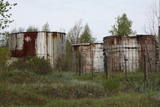 |
The former missile transport facility at Karaosta is not used any more. The territory is mostly closed off to visitors.
|
|
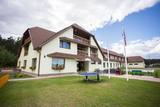 |
Family restaurant, hotel and bicycle rental, located 4 km from Piņķi and a 12-minute drive away from Riga Airport. A team of 12 professional chefs prepare a wide range of dishes. Full menu: facebook.com/irbenilv/menu. Takeaway is available. For groups of more than 10 persons, booking is recommended. |
|
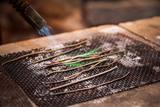 |
Apmeklētājiem tiek piedāvāta ekskursija ar stāstiem par Limbažiem, kas kādā veidā saistīti ar sudrabu. Ekskursijas laikā iespējams apskatīt paraugdemonstrējumus lodēšanā. Sadarbībā ar juvelieriem, darbnīcā būs iespējas apgūt prasmes darbam ar misiņu un sudrabu, tiks piedāvātas arī meistarklases. Pēc iepriekšējas pieteikšanās grupām būs pieejamas arī O.Auzera lekcijas par sudraba ietekmi uz veselību. Ekspozīcija atvērta apmeklētājiem no trešdienas līdz svētdienai no pl.10:00-17:00, citā laikā grupām- pēc iepriekšēja pieteikuma. Ieejas maksa: |
|
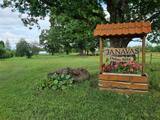 |
The farm grows herbal tea plants such as blue dragon, purple cornflower, peppermint, and lavender, as well as other plants. It also offers cosmetics such as the Beāte line of facial creams, as well as cornflower eau-de-toilette. You can take an informative tour, taste delicious teas, and purchase the cosmetics. |
|
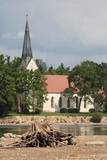 |
Atrodas Pļaviņu HES ūdenskrātuves krastā (R. Blaumaņa ielas galā) iepretim salai, uz kuras top Likteņdārzs. Baznīca (celta 1687. g.) ir vairākkārt atjaunota (1731., 1887.). Tagad redzamais tornis tapis par Stukmaņu muižas īpašnieku atvēlētajiem līdzekļiem. Baznīcā par mācītāju kalpojis Ernests Gliks. Padomju laikos ēkā atradies Stučkas vēstures un mākslas muzejs. Apmeklētāji var uzkāpt dievnama tornī (čuguna zvans!), kā arī aplūkot mākslinieka A. Dobenberga gleznas. Baznīca ir atvērta un apskatāma arī no iekšpuses. |
|
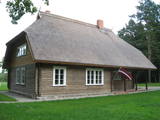 |
“Airītes” is a museum found at the place where the first commander of the Latvian Armed Forces, Col Oskars Kalpaks and other Latvian soldiers (including three officers) fell during a battle on March 6, 1919. The public donated money in 1920 to build a monument, and it was unveiled on September 3, 1922. In 1935, work began on a building that was proposed by the Col Kalpaks Battalion organisation, the plan being to exhibit items related to Kalpaks’ battles. It was opened a year later. The monument was destroyed during the Soviet era, and the building housed a post office and some flats. The memorial was restored during the national Renaissance in 1988 and 1989, and on November 11, 1990, the museum was reopened. During renovations in 2007, the second floor burned down. The museum and exhibition were renewed in 2013. The exhibits speak to Kalpaks’ life during World War I and Latvia’s liberation battles. Employees regularly organise commemorative events in honour of Kalpaks, as well as celebrations of Lāčplēsis (Veterans’) Day. |
|
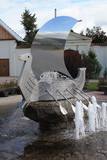 |
Arī 18. novembra laukums. Tas sācis veidoties 18. gadsimtā kā tirgus laukums. Tā dominantes bija 1752. g. celtais rātsnams (nav saglabājies) un aptieka, kas šajā ēkā darbojas no 1810. g. līdz pat mūsdienām. 2010. gadā laukumā izveidota strūklaka, kam ir pilsētas ģerboņa forma. |
|
 11 days
|
This tour of the Forest Trail covers the national parks of Dzūkija and Žemaitija and the Nemunas Loops Regional Park in Lithuania. The starting point of the route is Druskininkai, a popular SPA and mineral water resort on the banks of the river Nemunas. Here, we recommend dipping yourself in mineral water baths, enjoying the trip with the cable car over the river Nemunas, visiting the musical fountain, and walking along the river promenade. For the next two days from Druskininkai, the Forest Trail passes through the Dzūkija National Park to the town of Merkinė. In this most forested and unpopulated region in Lithuania you can enjoy hiking along solitary forest roads, visit ancient mounds and ethnographic villages, where the traditions of bee-keeping, crafts, mushrooms and berry harvesting are still kept alive. You will then head to Birštonas, one of the key resorts in Lithuania with its valuable mineral waters. The town finds itself in the Nemunas Loops Regional Park, which includes four large and one smaller loops of the river. The Forest Trail stretches from Birštonas through the entire Nemunas Loops Regional Park up till the town of Prienai. Next, hikers will get to Kaunas, the second largest city in Lithuania and its former capital city. Kaunas is notable for its modernist architecture. The catchment area of the river Nemunas and the river Neris is situated here. Heading on, from Lampėdžiai to Vilkija, the Forest Trail runs for two days along trails and small countryside gravel roads next to the right bank of the river Nemunas, also crossing resort territory of Kulautuva. This section is characteristic of beautiful riverscapes, waterfront meadows and small villages. For the final section, first you must get to the Žemaitija National Park, where the Forest Trail runs around the Lake Plateliai, which is the largest lake in the historic Samogitian region. Old pine and fir forests and mixed forests are among the most precious natural values of |
|
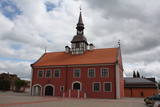 |
In 1615, Courlandian Duke Friedrich Kettler (1569-1642) allowed Bauska to build a new city hall. At the beginning of the 17th century, Market Square in Bauska featured the largest city hall in the entire duchy. A lack of money led to the dismantling of the hall’s tower in 1852 and its second floor in 1871. A new city hall was built in 2011, and now Bauska can be proud of a new and outstanding tourist destination that can also be entered. The restored city hall offers a chance for people to weigh themselves and measure their height with old-time measurements. Each person who does so receives a certificate to attest to his or her height and weight. |
|
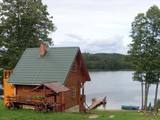 |
Lauku māja atrodas Alksnis ezera krastā Aukštaitijas nacionālajā parkā. Ezers ir savienots ar pārējiem ezeriem, kas iekļaujas šinī parkā. Šī vieta ļoti piemērota makšķerniekiem un tiem, kuriem patīk baudīt mieru. Plaša viesistaba ar kamīnu, 2 guļamistabas, atsevišķs pirts namiņš, vieta ugunskuram, laivas nomai. |
|
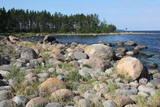 |
This is the first national park in Estonia and the Baltic States. Perfect for a day trip out from Tallinn for a hiking trip and nature watching. It was established in 1971 to protect the area that is along the Bay of Finland – the shoreline, forests, swamps, meadow biotopes, species, natural monuments, rocks, waterfalls, cliffs and cultural monuments such as ancient cemeteries, castle hills, baronial estates, fishing villages, etc. |
|


