
| No | Name | Description |
|---|---|---|
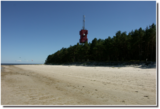 |
Cape Ragaciems – a promontory from
the western shore of the Bay of Rīga which
ends with a shallow and rocky submarine
shallows reaching several hundred metres
into the sea. The Ragaciems Lighthouse is
at the tip of the cape
|
|
 |
A shop located in Jelgava that offers organic, natural food products, healthy products for children, gluten-free products, and ecological cosmetics and cleaning products. All of the products are made by Latvian farmers and home producers, using natural ingredients. |
|
 |
Saimniecība “Lejaskroķi” atrodas Abavas senlejā. Tajā nodarbojas ar truškopību. Saimnieku aprūpē ir ap 500 trušu, kā arī kazas un mājputni. Viesojoties saimniecībā, viesi varēs samīļot un pabarot trusīšus, kā arī apskatīt kazlēnus, kam ļoti patīk cilvēku uzmanība. Dzīvnieciņus iespējams apskatīt, iepazīt un samīļot, kā arī pabarot. |
|
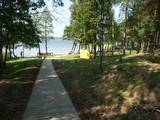 |
There is a small and relatively hard to reach area on the western shore of Lake Būšnieks which has been restricted to protect swamp habitats and several protected plants. Boat base is on the northern shore of the lake offers boat rental. From the plank-way good sites of eutrophic part of Lake Būšnieks can be seen. A well-appointed recreational facility (not included in the restricted area) is on the opposite shore of the lake. |
|
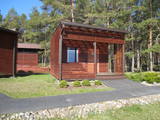 |
The campsite is located 77 km from Riga, surrounded by beautiful forest and sea. The range of offers is wide - beach volleyball court, basketball court, windsurfing, table tennis and more. There are tent sites as well as double or quadruple camping houses. There are facilities for people with reduced mobility. The campsite is open from 1 May until 31 October. Large WC and shower room (shared). |
|
 |
The cafe is situated in Stende, approximately 12 km away from Talsi. |
|
 |
Based on the tower of a former Soviet army radar installation, there is an 18-metre viewing tower at the Southern breakwater of Ventspils (Medņu Street) today. The tower offers a good view of the port territory, with the sea gate at the mouth of the Venta River and the city beach. Binoculars are available at the tower. It is worth walking down the Southern breakwater to get a better look at the sea.
|
|
 |
Hiiu Vill is a family business and one of very few wool manufacturing companies in Estonia, it uses 19th C machinery of Polish origin (carding and roving machines), which the owners are happy to demonstrate. A café is open in summer only; woollen handicrafts are sold all year round. |
|
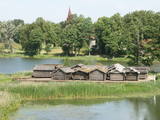 |
The Lake Castle of Āraiši is of pan-European importance. It is a reconstructed Lettigalian lake castle from the 9th or 10th century, and it is the only place in the Baltic States at which visitors can learn about how people lived more than 1,000 years ago. The castle offers various thematic events. |
|
 |
The Krimulda Castle was built in the latter half of the 13th century. It was located where the right bank of the ancient Gauja River valley is split by the deep Vikmeste ravine. The castle was owned by the council of archbishops from Rīga, and it was an impressive structure with a large interior courtyard and a defensive wall that was 1.5 m thick. The Swedish military blew up the castle when retreating in 1601. Today the castle hill is forested, and only a small fragment of the castle wall can still be seen. It is near the ruins that you will find the Sigulda aerial tram and the Krimulda serpentine road – the only object of its kind in the Baltic States. |
|
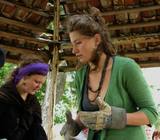 |
You can try your hand at pottery and take part in the opening of the kiln. You can also order and purchase ceramics. |
|
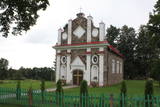 |
Meklējama Gosporos, starp Rīgas – Daugavpils šoseju (A 6) un Daugavu. Apjomā nelielais dievnams būvēts 1820. gadā romāņu stilā no laukakmeņiem senas kapsētas vietā. Tuvāk Daugavai ir izveidota aka, no kuras iztek Svētavots, kam piedēvē dziednieciskas īpašības. Pie baznīcas novietots dobumakmens. |
|
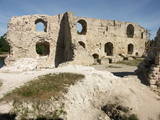 |
The ruins of the Koknese Castle are found where the Daugava and Pērse rivers flow together. The castle, which is on a floodplain, was built for the bishopric of Rīga in 1209, and it replaced an ancient Latvian castle that was made of wood. The castle was blown up by Saxon forces in 1701. A visitors centre is near the ruins, and there you can carve a Medieval coin or rent a boat to sail down the Daugava. Make sure to stroll through the Koknese park, which is alongside the ruins. |
|
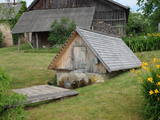 |
Information about this stream dates back to the mid-18th century, but people used it much earlier than that. People donated money to the stream after washing or drinking the water. During the first half of the 19th century, the baron of Tirza and the local church waged a battle against pagan traditions, though not very successfully. There is now a canopy over the stream, and people still drink its water. |
|
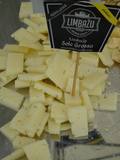 |
The Limbažu Cheese factory has more than 90 years of experience with dairy processing. It only uses milk from local farmers in Vidzeme, while the dairy processing technologies have been brought in from Switzerland. Limbažu Cheese exports 95% of its output. Alongside the company and on the other side of the street from the ruins of the Limbaži castle is a little store where the company’s products can be bought. |
|
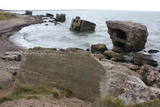 |
This is one of the most visually expressive coastal defence batteries in Latvia. Why? Because most it has been fully or at least partly washed into the sea, creating a truly unusual landscape, particularly during stormy weather. This is an historical monument which is subject to the mighty power of Mother Nature. The battery can also be seen from the Northern breakwater of Liepāja. It’s worth hiking the four kilometres along the beach to the Northern Forts. Along the way, you can take a look at the No. 23 Coastal Defence Battery.
|
|
 |
Mill of Count Borh. Count Borh built the three- storey mill in the
end of the 18th century not far from the castle of Varakļāni. Here you
can see how the flour was milled in past centuries.
|
|
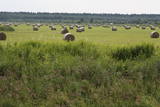 |
Open landscape area within farming lands on both banks of Uzava River about 10 km before it flows into the Baltic Sea. There is a good open view over the area from the Vendzava-Ziri road going through the nature park. Protection of migratory birds and corncrakes has been one of the main reasons for establishment of the nature park. Bird watching is possible from the road Vendzava-Ziri during migration period in spring and fall. There is no tourist infrastructure in the nature park.
|
|
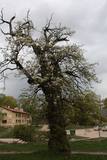 |
This is the thickest wild pear tree in Latvia. The tree is particularly beautiful when it is blossoming.
|
|
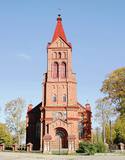 |
St. John the Baptist Roman Catholic Church of Ciskādi was built approximately in 1990. The brick building is an example of Romanesque style.
The church has a specific icon called „Madonna and the child”, crucifix and the
organ.
|
|


