
| No | Name | Description |
|---|---|---|
 |
The Staldzene Zenith Missile Brigade used a large territory and a number of major buildings. Some of these are now privately owned, and a fish smoking facility has been installed at one of them.
|
|
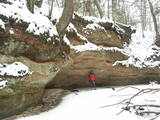 |
The Kaļķupe River valley was established as the Pilsupe River (formed by Kaļķupe River and Mazupe River) crossed the Blue hills of Šlītere to the South of Vīdale and Kaļķi. The distinct river valley has a branched network of gullies in which Devonian sandstone has been uncovered and can be seen in some locations. Puiškalns Hill (located at confluence of Kaļķupe River and Mazupe River), which was used as a castle hill and as a sacred location long in the past, is one of the most distinctive parts of the area. It is a popular tourist destination in the Talsi District. Hillside forests, various kinds of meadows and a wide range of plants are also of value in the local environment. |
|
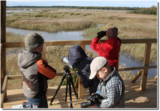 |
Kaņieris is a seriously overgrown and
shallow seaside lake. Its water level was
adjusted several times during the 20th
century so as to obtain agricultural lands.
The lake has 14 islands, among which nine
are natural and the rest are artificial and
aimed at attracting nesting water birds.
Lake Kaņieris has one of the richest
diversities of birds in Latvia. An
ornithological nature reserve was
established here in 1964. In 1989, the lake
was placed on the list of major birding
locations in Europe, and in 1995 it was put
on the list of the Ramsar Convention. At
the southeastern shore of the lake is a
boating facility (only rented boats are
permitted on the lake). A bird-watching
tower was erected on the Riekstu
peninsula in 2009
|
|
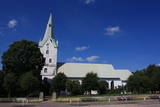 |
Atrodas pilsētas centrā - Tirgus laukuma malā. Dievnams tapis 1495. g., pēc Livonijas ordeņa mestra Valtera fon Pletenberga (~ 1450. – 1535.) pavēles. Gadsimtiem ritot, ēka pārbūvēta un tagad redzamais tornis celts 1907. g. Baznīcā apskatāmi nozīmīgi kultūrvēstures pieminekļi: altārglezna “Golgāta” - H. Kīperta darināta kopija (pēc K. Arnoldi Kandavas luterāņu baznīcas oriģināla (1864. g.)), muižniekam Fīlipam Drahenfelsam veltīta epitāfija (B. Bodekers, 16. un 17. gs. mija), A. D. Tīzenhauzenas kapu plāksne (1648. g.), kristāmtrauka pamatne (18. gs.) un piemiņas plāksne 1. pasaules karā un Latvijas Brīvības cīņās kritušajiem draudzes locekļiem (1925. g.). Ap Tirgus laukumu (atjaunots, jauka strūklaka) izvietojies Dobeles vēsturiskais centrs. |
|
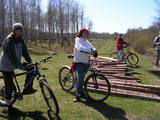 |
The nature trail was built in 2003 supported by the WWF, the Latvian Environment Protection Fund, the International volunteering organization supporting conservation initiatives in the United Kingdom (BTCV) involving volunteers from Nīca and Rucava municipal parishes. The trail exposes the surrounding landscapes and related biotopes – dunes, forest, grasslands and bog, as well as bird and animal species found there. On the trail, there is a bird watching tower and two birdwatcher hides. You can see the rivers Paurupe and Līgupe, beaver activity areas, grasslands, black alder forest, spruce forest, floodland, wild horses, aurochs, the Šķilu lime tree, the Holy Grove, the Ezerskolas sacrificial stone, the Pape ornithological field station, the Papes polder grasslands and the Pape lighthouse. There are resting places en route. The trail leads through the historical Ķoņu village with the traditional coastal fishing village architecture of buildings and yards. The trail is 9 km (5 km one way by a gravel road, returning 4km along the coastline). The trail is in the Pape nature park
|
|
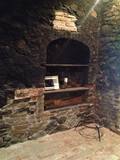 |
The Jūrkalne People's Centre is the main gathering place for Suiti people and is in a former saloon that was built around 1875. Major restorations were conducted in 2011. The centre offers various events, there is an exhibition hall for visitors, and the "Maģie Suiti" ethnographic ensemble and other amateur ensembles are active there. If you want to meet the Suiti and learn about their traditions, contact the centre in advance. |
|
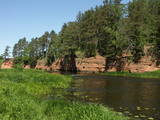 |
This park is in an area which has not been affected much by humankind – sandstone cliffs, an undisturbed diversity of caves, other habitats, species and landscapes is the attractive aspect of this area. The Salaca River is one of the most important rivers in the Baltic Sea region for the spawning of salmon, and it is the second most popular river for water tourists in the Latvian region of Vidzeme. There are geological monuments which are very attractive to visitors – the Red cliffs, Skaņais Hill, the Neļķu cliff, the Velna (Devil’s) cave, etc. There are also cultural monuments such as the Livonian castle hill, the Vecsalaca baronial estate, the Livonian Museum, the Vantenberģi estate, the unique Salaca lamprey weirs, etc. Also in the park is one of the most popular tourist destinations in Northern Vidzeme – the Skaņākalna park, which has a dense network of footpaths. The Salaca is also popular among fishermen. This is part of the Northern Vidzeme Biosphere Reserve. |
|
 |
The restaurant is in Lielā Street in the centre of Talsi, offering food from the cookbooks of grannies and the global cuisine, as well as an extensive wine list. The restaurant works with local farmers. Latvian cuisine: Sauerkraut soup with roast breast of pork, wild mushroom and grit soup, herring with cottage cheese, porridge, sautéed roast with sauerkraut, roast lamb, cottage cheese buns, Latvian beers. |
|
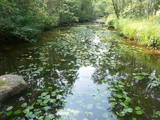 |
This territory protects a lime outcrop found on the shores of the lower reaches of the Zaņa River. There is a path for active hikers which begins at the Zaņa mill (1864, rebuilt 1890, shut down 1960). The path weaves its way along the steep shores of the little river, heading toward its mouth.
|
|
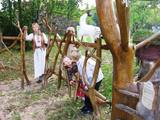 |
This park is a network of farms in Kaika area where visitors can learn about healthy life styles and alternative medicine. Farms have programmes on using herbs and leech in therapies, on the magical worlds of bees and mushrooms, spells and meditation. In workshops you can learn to use weeds in cooking, make bread and herbal drugs. Individual travellers are welcome to explore the farm on their own. |
|
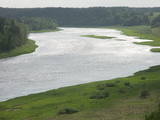 |
The Dinaburga trail first goes downhill, and then it quickly goes uphill to the steep shores of the Daugava river. Among a set of gullies, there is the Naujene (Vecpils) castle hill – some 25m high and the “cradle” of the city of Daugavpils. The ruins of the castle are still visible, and a unique open-air model of the old Dinaburga castle has been prepared. There is a lovely view of the Daugava river valley, and the visitor can expect to spend 20 minutes to an hour here. Objects are located in a protected area of Augšzeme landscapes and in the Curves of Daugava nature park.
|
|
 |
Baltijā lielākās HES celtniecību uzsāka 1961. g., bet pabeidza 1966. g. Tajā uzstādīto 10 hidroagregātu projektētā jauda bija 825 MW. Pļaviņu HES tiek uzskatīta par unikālu, jo pirmoreiz HES būvniecības praksē tā konstrukcija tika balstīta uz mālsmilts un smilšmālu gruntīm ar maksimālo spiedienaugstumu - 40 m! Pļaviņu HES ēka ir apvienota ar ūdens pārgāzi, zem kuras atrodas Latvijas garākais tunelis - Enerģētiķu iela. 20. gs. deviņdesmitajos gados Pļaviņu HES rekonstruēja un tagad tās jauda ir sasniegusi 870 MW. Apmeklētāji var iepazīt mašīnzāli, skatu laukumus un HES maketu. |
|
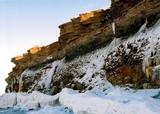 |
Die mächtigste Steilküste im Baltikum (bis zu 24 m hoch). In den kalten Winter werden hier phantastische Gletscherstürze entstanden. Pakri Leuchtturm. |
|
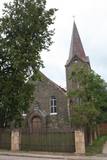 |
Atrodas Raiņa ielā 18. Baznīca celta 1911. - 1912. g. pēc Stukmaņu muižas nomnieka barona R. Noldes iniciatīvas. 1. pasaules karā cietušo baznīcu atjaunoja un no jauna iesvētīja 1921. g. Baznīcā apskatāma altārglezna “Kristus augšāmcelšanās”. Dievnams tāpat kā daudzas citas pilsētas ēkas ir būvētas no apkaimē sastopamā izejmateriāla – dolomīta. Interesanti, ka tornis būvēts ēkas vienā malā – asimetriski. |
|
 |
Barke von Peipussee ist ein Segelboot, das im Gebiet Peipussee und Fluss Emajõgi zum Gütertransport benutzt wurde. Spezielle für hiesige Verhältnisse passende Boote wurden schon im 14. Jahrhundert gebaut. Im Jahr 2006 hat man nach fünfzig Jahren Pause wieder eine Barke am Fluss Emajõgi gebaut und als „Jõmmu" genannt. Der Barke-Verein (Emajõe Lodjaselts) organisiert verschiedene Vergnügungsreisen auf dem Fluss Emajõgi und auf dem Peipussee. Die Barke "Jõmmu" wartet auf kleinere Barke-Fans, um die traditionelle Handwerk und Schiffbau zu präsentieren. |
|
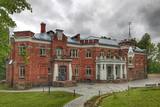 |
Der Bau des Hofes begann Anfang des 20.Jh., das Herrenhaus wurde aus Backsteinen und gehauenen Feldsteinen von 1905-1911 im Historismus und Jugendstil gebaut. Der Besitzer des Hofes Lūznava war der Ingenieur und Universitätsprofessor Stanislav Kerbedz aus St. Petersburg. Kerbedz war der erste russische Ingenieur, der architektonische Modelle für den Brückenbau ausarbeitete, die in der zweiten Hälfte des 19. Jh. maßgeblich waren. So ist, zum Beispiel, die Nikolajew-Brücke über die Newa in St. Petersburg unter seiner Leitung gebaut. Seine Frau Jewgenija war eine angesehene Kunstliebhaberin, die aus Italien verschiedene Kunstgegenstände mitbrachte. So wurde Gut Lūznava im Sommer zu einem beliebten Erholungsort für Künstler. Auch der berühmte litauische Maler und Komponist Mikolajus Čiurlionis war hier zu Besuch. Heute umgibt den Gutshof ein 23,7 ha großer Landschaftspark mit einer Teichanlage. Im Park, nicht weit vom Herrenhaus gelegen, steht eine Madonnenfigur eines italienischen Künstlers. Im 2. Weltkrieg wurde diese verstümmelt und in den Teich geworfen, aber 1991 wurde sie restauriert. 2015 wurde die Restaurierung des Hauptgebäudes abgeschlossen, und es entwickelt sich nun zu einem modernen, internationalen Umweltbildungs- und Kunstzentrum. |
|
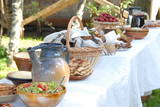 |
This facility is in the historical village of Pape in Southern Kurzeme. Accommodations are available in an historical granary with a roof made of reeds. It is appropriate for inhabitation during the late spring, the summer and the early fall. There are three bedrooms, a small front room and a kitchen, with two floors in all. The building will fit eight people. This is an ideal location for creative camps, plenary sessions, master workshops and other activities. There are tenting areas for as many as 80 people. The Mikjāņi farm observes local traditions and offers traditional foods such as “herring on coals,” white butter with boiled potatoes, fish soup, etc., for visitors who apply for a meal in advance. This offer is only available to groups which register in advance. |
|
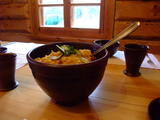 |
Im Teehaus Seto Tsäimaja, das zum Museum der Setukesen gehört, kann man Gerichte aus dem nach den Traditionen der Setukesen gemachten Tongeschirr genießen. Auch kann man Setukesen-Lieder und Instrumentalspiel anhören. |
|
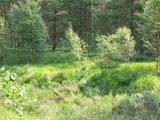 |
Das Wort grinis verweist sich auf einen in Lettland sehr ungewöhnlichen Waldtyp. Es gibt zwei Typen – den Heidekrauttyp und den Grastyp. Das ist das Ergebnis einer langandauernden Wechselwirkung zwischen Natur und Mensch. Solche Gebiete findet man nur an wenigen Stellen an der Küste der Ostsee. Eine sehr seltene Pflanze, die in diesem Gebiet wächst - die Glockenheide - war der Hauptgrund, warum hier ein Naturreservat 1936 errichtet wurde. Eine stillgelegte Eisenbahnlinie zwischen Ventspils und Liepāja führt durch dieses Reservat von Norden nach Süden. Besuche des Reservats sind streng verboten.
|
|
 |
“Kundziņsiers” ir jaunas ģimenes izlolots sapnis par savu sierotavu, kas īstenots 2018. gadā Bērzciemā. Piedāvājot sieru apkaimes iedzīvotājiem, radiem un draugiem, pakāpeniski izveidojies pastāvīgs klientu loks. Nosaukums “Kundziņsiers” radies no saimnieku uzvārda Kundziņi. SieriKūpinātie sieri – ar ķiplokiem, saulē kaltētiem tomātiem, ķimenēm vai bez piedevām. Svaigie sieri – ar ķiplokiem, saulē kaltētiem tomātiem, ķimenēm, sieramoliņa sēklām, grauzdētām sēkliņām vai bez piedevām. Kā top siersDarbs sākas rītausmā – ar svaigu, tikko slauktu pienu, ko piegādā no saimniecības Vandzenē. Sieru gatavo tikai no nepasterizēta govs piena, rūpīgā procesā pievienojot katram sieram raksturīgās piedevas, lai radītu bagātīgu un sabalansētu garšas buķeti. Katrs siera ritulis ir roku darbs. Apmeklētājiem
Kur iegādāties sierusVasaras sezonā – saimniecībā uz vietas un Engurē, maizes ceptuvē “Kukul”. |
|


