
| No | Name | Description |
|---|---|---|
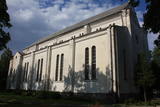 |
was built between 1930 and 1947. On both sides of the altar are sculptures of angels that date back to the late 17th century and were sculpted in Subate. They are the only elements of this kind in the Baroque decorative sculpture in churches in Kurzeme. It may be that the figure of the Saviour on the cross with a sleeping lamb at his feet was produced by the same artists. No one knows how the artworks arrived in Subate. The organ with its wooden pipes was manufactured by Juris Bokums. During the season, the interior of the church can be toured, and if you contact the church in advance, you can arrange for organ music performances. |
|
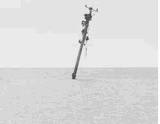 |
The Pape airfield was used for arms training in Soviet times, with bombs being dropped on specific targets. The facility is owned by the regional local government and is not used. There are sunken ships and targets in the sea.
|
|
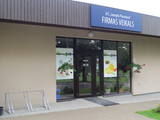 |
The Jaunpils Dairy was opened more than 100 years ago, in 1912, and it produces semi-hard and soft cheeses, cottage cheese, cream, desserts and other dairy products. Only milk from Latvian farmers is used, and the products are exported to more than 17 countries in the world. Products are also sold at the store that is adjacent to the company. |
|
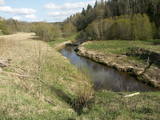 |
Riežupes dabas parks veidots g.k. Riežupes izteksmīgās ielejas, tai raksturīgo dabas vērtību – nogāžu un gravu mežu, dažādu ģeoloģisku dabas pieminekļu - smilšakmens atsegumu, alu, ūdenkritumu, upes straujteču posmu, dažādu sugu, mežu masīvu un ainavas aizsardzībai. Parka atrodas viens no Kurzemes populārākajiem tūrisma objektiem – Riežupes alas - garākais mākslīgo alu labirints Latvijā, kura eju kopgarums ir 460 m. Sākotnēji dabas veidotās alas 19. gs. vidū mākslīgi paplašināja baltās smilts ieguves nolūkos, kuras izmantoja stikla ražošanai. Parkā izveidots velotūrisma maršruts. |
|
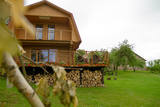 |
The guest house is located in Odziena, Vietalva Parish, Plavinas Region. The house has 5 bedrooms, guests can enjoy a sauna, a pool and a swim in the pond, as well as fishing. There is a large surrounding area for organizing activities and other classes - the guest house is suitable for both relaxation and celebrations. |
|
 |
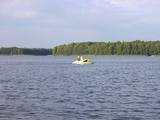
This leisure base on the north-western shore of Lake Rušona offers accommodations, dining and active leisure services. |
|
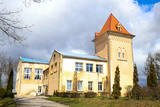 |
Druvienas muižas pirmsākumi ir meklējami 17. gs. beigās. Tagad redzamā apbūve ir veidojusies 19. – 20. gs. Līdz mūsdienām ir saglabājusies muižas pils (1898. g.) un saimniecības ēkas – klētis, kūtis, kalpu mājas. Muižas pilī 20. gs. 50. gados izvietoja pamatskolu. Diemžēl sākotnējie ēkas interjeri nav saglabājušies. Pili ieskauj parks. Šobrīd ēkā atrodas Druvienas Latviskās dzīvesziņas centrs, kas piedāvā dažādas aktivitātes un radošās darbnīcas. |
|
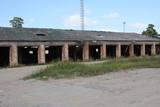 |
In Soviet years, Ventspils was the site of tank training. The facility has been degraded, and only the former tank repair facility and some outbuildings are still being used. The rest of the territory is not used or guarded any more.
|
|
 |
This nature park protects the landscapes of the Latgale highlands. Of importance here are Lake Ruskulis and Lake Cīrītis with its eight islands, along with the forests of the area. An ancient castle hill is on one of the islands in Lake Cīrītis – the Upursala island. There and on the Oši island, specialists have found more than 250 species of plants. |
|
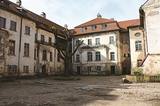 |
Dundaga baron once was one of the largest landowners of Courland, therefore during the second half of 19th century around the estate formed centre of economic and social life. Dundaga Central Square is dominated by its water tower, behind which starts Dakterleja, where from 1844 to 1854 worked one of the first ethnic Latvian doctors and linguist, J. Bars. Until the sixties of the 20th century from the Dundaga through Mazirbe and fishermen villages to Ventspils ran a Narrow gauge train. Today Dundaga attracts tourists with its spectacular castle, the Lutheran church, crocodile sculpture, Eizenberga pottery workshops and other objects. |
|
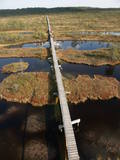 |
This reserve was set up to protect local swamps and surrounding wetlands. Please note that before you can visit the reserve, you must register with the local administration and visitor centre in the village of Tooma.
|
|
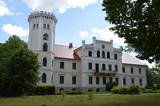 |
Skaistā ēka atrodas Lizuma centrā. Lizuma muižas īpašumi piederējuši dažādām dzimtām – vācbaltiešiem Tīzenhauzeniem, Malamiem un Volfiem. 1836. g. muižu iegādājas barons Otto Gotlībs fon Volfs, kura laikā muižas pils iegūst tagadējo veidolu – Tjudoru neogotikas stilu ar poligonālu torni. Jau no 1937. g. pilī izvietojusies Lizuma skola, kas ir viens no iemesliem, kādēļ saglabājusies ne tikai pati ēka, bet arī atsevišķi interjera elementi kāpņu telpā, Zilajā (Mednieku) zālē u.c. Pili ieskauj parks, kur atrodas muižas saimniecības ēkas – mūra klēts (te kultūras nams), 1876. g. celtais zirgu stallis (sporta halle), kalpu un dārznieka namiņš u.c. Bijušajā spirta brūzī ražo Gotiņas konfektes. Pils tornī izveidots Lizuma vidusskolas veidotais novadpētniecības muzejs. |
|
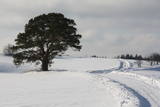 |
This is an unusually shaped pine which, according to legend, was planted by the king of Sweden during the Great Northern War.
|
|
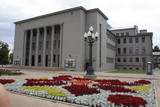 |
Found at Rīgas Street 22A, this impressive building was suggested by Latvian President Kārlis Ulmanis and built in 1936 and 1937 after a design by the architect Verners Vitands. It is seen as one of the most outstanding architectural monuments from the first period of Latvian independence, and it is said that it was once the most modern multifunctional building in all of Europe. The building now houses the Daugavpils Theatre, the Latgale Central Library, the Latvian Cultural Centre, the Latvian House, the US Information Centre, the Daugavpils Tourism Information Centre and other institutions. Unity Square is alongside the building, and beautiful compositions of flowers are nearby during the growing season. |
|
 |
The cafe Piladzitis is situated in Kuldiga next to the Venta rapid and an old brick bridge in Parventa. Piladzitis offers substantial and Latvian dishes. The cafe’s working hours: 9:00 – 20:00, no days off |
|
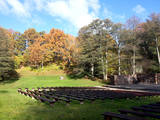 |
features an open-air stage in a lovely place. During the summer there are concerts, theatrical performances, parties, Summer Solstice celebrations, etc. The International Bourdon Festival is held once every four years, and the next one will be in 2020. This brings together bourdon singers from many countries in the world. |
|
 |
Veisieji reģionālais parks (Veisiejų regioninis parkas) veidots (1992.g.) Sudavas augstienes (Sūduvos aukštuma) ainavu, bioloģiskās daudzveidības un kultūras pieminekļu aizsardzībai. Viena no parka bagātībām ir ezeri, kuru iegarenās formas liecina par ledāja darbības rezultātu. Pēdējā apledojuma laikā šeit atradusies ledāja mala. Ezerus (kopā – 37) ieskauj lielāki meža masīvi uz kontinentālām (iekšzemes) kāpām, kas piemēroti atpūtai dabā, dabas vērošanai, ogošanai un sēņošanai. Parkā ir iekārtotas peldvietas, kur patīkami gremdēties vasaras tveicē, izveidotas dabas takas, bet mazās upītes, kas savieno ezerus, ir piemērotas braucieniem ar kanoe laivām. Veisieji reģionālā parka teritorijā ir liela augu un dzīvnieku daudzveidība. Šeit tiek aizsargātas arī tādas retas sugas kā Eiropas kokuvarde Hyla arborea (parka simbols), purva bruņurupucis Emys orbicularis, dažādas orhideju sugas u.c. |
|
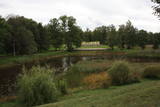 |
Dundagas pili ieskauj parks, kura pirmsākumi ir meklējami jau 17. gs. Tam cauri tek Pāces upīte, kuras uzdambējums veido Dundagas dīķi. Tajā atrodas senatnē (vēl pirms pils būvniecības) mākslīgi veidota sala - Kalnadārza pilskalns. Tam iepretim (dīķa austrumu krastā) atrodas Dundagas pilskalns. Parkā joprojām zaļo (daži lielākie zari ir nolūzuši) t.s. “Rubļa ozols”, kura attēls bija uz 1919. g. izdotās Latvijas simts rubļu naudaszīmes. Parkā uzcelta estrāde. |
|
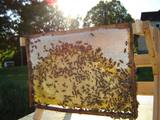 |
This family company offers high-quality and traditional beekeeping products in the Gauja National Park. There are some 110 hives of bees, and the products include honey, pollen, bee bread, wax and propolis. The owners also produce new and unprecedented products which satisfy the demand of clients for something that is unusual, but healthy. You can take a tour and purchase honey. |
|
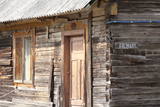 |
Vāldamõ – a residential building that is yellow and has natural roofing materials. It was built as a new farm at the beginning of the last century. Virgo is the next homestead to the North from Vāldamõ, and it was established as a new farm in the 1920s. The house (1930) features interesting wood carvings. Next to the North is Fīlmaņi, which has a building that appears antique, but was built in the early 20th century as a single roof. Silkalni is the homestead that we find if we turn to the right toward Pitrags at the crossroads. The yellow building was built around 1906 as a single room. Norpiedagi is to the South from Silkalni – a brown and larger house than the previous one. The home was built around 1906 as a one-room granary by the active Liv public activist and boat builder Diriķis Volganskis (1884-1968). His son, Edgars Valgamā, who was also a Liv cultural activist and worked as a pastor in Finland, was born here. Anduļi can be found at the aforementioned crossroads. This is one of the largest old farms in the village, and it is owned by the village elder. The history of the homestead was first recorded in 1680, when it was called Kūkiņi. The homestead includes a residential building (c. 1909), a threshing barn (1905), a granary (mid-19th century), and a smokehouse made of a boat that was cut in two. Under the part of the threshing barn which is on the back of the dune, there is the medieval, so-called Plague cemetery. Žoki is a homestead that is on the other side of the road from Anduļi. The building that is there now was built on the foundation of an older one. In the mid-19th century, Žoki was home to the first reading school for Liv children from the seashore villages of the Dundaga region. Liv Nika Polmanis (1823-1903) worked there as a teacher. Next to the North of Žoki is the Tilmači homestead, with several buildings that were built in the late 19th and early 20th century – a brown residential building, a stable and part of a granary. When the residential building was restored, the owner found a board reading "1825. Kurlyandskaya gubernya." The seven historical homesteads and buildings were at one time considered for listing on the UNESCO list of world heritage. |
|


