
| No | Name | Description |
|---|---|---|
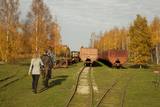 |
Sedas purva kājnieku maršruts atrodas dabas liegumā Sedas purvs, pārgājienu pa maršrutu iespējams apvienot ar Sedas pilsētas apskati, kas ir unikāls 20.gs. 50.–60. gadu pilsētbūvniecības un arhitektūras paraugs - kūdras purva strādnieku pilsēta. Maršrutam ir divi apļi - Jērcēnu aplis - 5,5 km un Sedas aplis - 4,2 km. Tajos apakatāms izstrādātais kūdras purvs, šaursliežu dzelzceļš, ritošais sastāvs, divi skatu toņi. Rudenī un pavasarī - putnu migrācijas lāikā - interesanta vieta putnu vērošanai. GPS koordinātes: Jērcēnu puses aplim: 57.7055987, 25.7001324; Sedas puses aplim: 57.6699587, 25.7514815. |
|
 10 days
|
This grand hiking tour includes some of the best and most beautiful parts of the Forest Trail in Latvia and Estonia. Hikes in the forest trails and villages are combined with trips and excursions in cities, as well as other popular tourist sights in both countries. You will get a detailed impression about the forest diversity and most popular national parks in Latvia and Estonia. You will start the tour in Riga, where you will enjoy the beautiful Old Town included in the UNESCO and Art Nouveau District. Then you will drive to Sigulda and see the most scenic ancient valley of the River Gauja, visit Turaida Museum Reserve, hike in Gauja National Park till the historic Ligatne papermill village. Further on you will visit the famous Lake Āraiši Castle, hike on the Cirulisi nature trails and see the beautiful medieval town of Cesis. On the way to Estonia you will stop at the Sietiņiezis big sandstone cliff to have picturesque views of the River Gauja. Then you will stay in Estonia’s second biggest city – Tartu, and visit the recently opened Estonian National Museum. Further on you will drive to Alutaguse National Park and hike along the picturesque Kurtna landscape reserve among the bright coniferous forests ornamented by the mirror surfaces of its many lakes. At the end of the tour you will hike in Estonia’s oldest national park – Lahemaa, which means the “land of bays” in Estonian. The Forest Trail goes along the bays and peninsulas of Lahemaa National Park, introducing the hikers to its most significant natural and cultural heritage. The forests are rich with blueberries and mushrooms in autumn and the air is very clean. This tour will end with sightseeing in Tallinn, Estonia’s capital city, with the Old Town also included in UNESCO. |
|
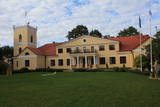 |
Atrodas 0,9 km ziemeļrietumos no Dzērbenes centra. Tagadējais muižas komplekss veidojies 14. gs. celtās un 1577. g. nopostītās mūra pils vietā. Muižas pils (18. gs. beigas, klasicisma stils) savā pastāvēšanas laikā piedzīvojusi vairākkārtīgu nopostīšanu (1905. g., Pirmajā pasaules karā) un tai sekojošu atjaunotni. 19. gs. beigās tai tapa piebūve – iespaidīgs četrstūru neogotikas stila tornis. Laikā no 1927. - 1975. g. pilī darbojās lauksaimniecības skola, tagad - Dzērbenes pagasta pārvalde, Tautas nams un mūzikas skola. Pili ieskauj parks ar septiņu dīķu kaskādi. No kādreiz iespaidīgā laukakmeņu žoga saglabājušies vien pils vārtu stabi. Dažādā stāvoklī (arī avārijas) atrodas citas muižas ēkas. 2010. gadā tika veikta pils iekštelpu un ārējās fasādes restaurācija. Iepriekš piesakoties, tiek piedāvāta gida vadīta ekskursija un piedzīvojums muižā iekārtotajā spoku kambarī. |
|
 |
The saloon is in the historical centre of Līgatne, alongside a pond, and in a building that was once home to the first Līgatne paper factory. Latvian cuisine: Vidzeme stroganoff, grilled Kolka herring, grilled pork, Amata trout, potato pancakes with cream, pancakes with jam, beer, kvass. Special foods: A special dessert. |
|
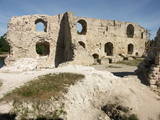 |
The ruins of the Koknese Castle are found where the Daugava and Pērse rivers flow together. The castle, which is on a floodplain, was built for the bishopric of Rīga in 1209, and it replaced an ancient Latvian castle that was made of wood. The castle was blown up by Saxon forces in 1701. A visitors centre is near the ruins, and there you can carve a Medieval coin or rent a boat to sail down the Daugava. Make sure to stroll through the Koknese park, which is alongside the ruins. |
|
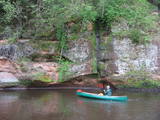 |
The Brasla River flows through a lovely valley that is approximately 300 m wide and up to 30 m deep. It is near the Inčukalns-Valka highway. The river has among the most beautiful rapids in the country, with mighty cliffs (the Brasla cliffs) that can be seen at nearly every curve in the river (except along the lowest reaches of the river). During the winter, various unusual frozen waterfalls can be seen in some of the cliffs, including the Krauļukalns cliff and the Jāņavārti cliff. On the left bank of the Brasla, opposite the Brasla fish farm, there are the Aņīte cliffs -- a series of sandstone cliffs that are 1 km long. The cliffs are between 2 and 35 m in height, and the sandstone cliffs are separated by ravines. On the right bank of the Brasla, there are major cliffs such as the Vāršavu cliff, the Kraukļukalns cliff, the Jāņavārti cliff, the Slūnu cliff, the Virtaka cliff and the Buļi cliff. How can you best learn about them? Boat down the river from the aforementioned highway or even from Straupe, which is further upstream. An alternative is hiking down the right bank of the river, though please take into account that the terrain is fairly extreme, and you are going to have to think about what to do when you arrive at the place where the Brasla River flows into the Gauja. |
|
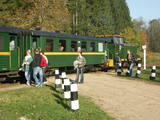 |
The narrow gauge rail line between Alūksne and Gulbene has tracks that are 750 mm wide and was once part of a rail line between Stukmaņi and Valka. Today it is the only passenger train on a narrow gauge railroad in Latvia, offering services every day. The Alūksne station was opened in 1903, and 33 km line with 10 stations and other stop scan be covered in approximately 90 minutes. A festival is held each year -- one that is very popular among fans of small trams. |
|
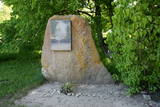 |
The memorial to Latvian President Gustavs Zemgals (1871-1939) was first installed in 1990 at the Brātiņi homestead, where he grew up. In 2016 it was moved to the Džukste memorial park. |
|
 |
The bakery and cafe in Saulkrasti – not far from Saulkrasti railway station. The baker offers pierogi, cakes and other baked goods, as well as dishes for all meals. A second café can be found at Raiņa Street 7 in Saulkrasti. Latvian cuisine: Cold soup, potato salad, sauerkraut, homemade steak haché, grey peas and bacon. Special foods: Pizzas cooked in a wood-fired oven. |
|
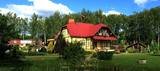 |
Nice rest in a country house, which is located 2 km from Aizkraukle city and 1.5 km from Aizkraukle railway station. The recreation complex is suitable for relaxation for two or a group of friends, up to 25 people. The holiday home has three separate rooms with double beds. Can accommodate up to 16 people with extra beds. In a separate building there is a party hall with a sauna and a hot tub. There is also a black bath. There are tent and caravan sites in the area. For active recreation, there are bicycle rental, Nordic walking, horse riding, museum of horse saddlery and a mini zoo. |
|
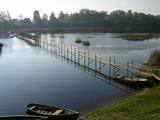 |
This is one of the few places in the world where lamprey eels are caught at the industrial level and with a fishing method that has been used for the past 150 years – a weir that stretches across the river and has creels along it. There are three weirs in all on the Salaca River. A local fisherman will teach you about the process and allow you to taste and purchase roast lampreys. |
|
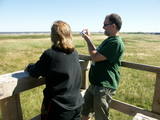 |
The viewing tower is in a seaside meadow near Mērsrags. It is an unusual type of biotope in Latvia and is located to the North of the Mērsrags port. The tower offers a good view of reed-filled meadows, areas where wild cattle have grazed, and an amazing wealth of different kinds of plants. |
|
 1 day
|
Dodieties ekskursijā, lai gūtu ieskatu lauku profesijā un dzīvesveidā, kā arī iegūtu jaunus iespaidus un labu atpūtu visai klasei. Ekskursijas laikā apmeklējiet maizes ceptuvi, kurā pielieto no seniem laikiem izkoptās meistaru zināšanas un prasmes. Te var doties ekskursijā, veidot un cept maizes kukulīti. Pēc tam apmeklējiet atpūtas kompleksu, kur iespējams gan ieturēt maltīti, gan izstaigāt baskāju taku. Ekskursijas noslēgumā dodieties uz kazu saimniecību, lai noklausītos saimnieka atraktīvo stāstījumu par kazu audzēšanu un piena produktu (piens, siers, kefīrs) ražošanu. |
|
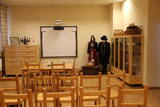 |
This collection features the heritage of the Suiti people, including an exhibition of folk costumes. Visitors can learn about the costumes and try them on. This is a cosy place for meetings, with well-equipped rooms for seminars and various types of training sessions. |
|
 |
The beer cellar Mara is situated in Talsi. Number of seating places: 100, in the summer season: 200. Working hours Mon-Sun: 11:00 - 23:00; from May to September beer garden: 10:00 - 02:00 |
|
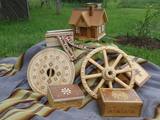 |
The workshop and “Dream Hut” exhibition hall at this venue offer a look at turned wood products such as candelabras, dishware, beer steins, vases, glasses, mortars and pestles, small boxes, wooden paintings, etc. You can commission and purchase products and watch the master at work. |
|
 |
The Healing Gardens is a part of the Upmaļi biological farm that occupies 125 ha of land. The 4th generation of Bergmanis family runs the farm. Māra and Dainis, the present farm owners, involve their family members to work for preservation of the old and rare fruit and berry cultivars that have been planted in the 30-ties of the previous century. The gardens also contain tree varieties that have medicinal powers and some rare varieties like elder, walnut tree, edible chestnut, mulberry tree and others. Together with the herb plantations, the Healing Gardens cover over 12 ha of land. The hosts have over 30 years experience in natural healing and Ayurvedic tradition. Based on this experience, they produce teas, balsams, creams, oils and other products under the brand name AnnaABergmans. |
|
 |
The restaurant is in the Park Hotel Latgola with a broad view of the city from the 10th floor. It offers Lettigalian and global cuisine. |
|
 |
Iespēja iepazīties ar mājas vīna gatavošanas procesu, un kopā ar Krimuldas muižas vīndari izzināt mājas vīna gatavošanas noslēpumus un degustēt vīnu, kas pagatavots no dažādām ogām. Vīna īstā garša vislabāk atklājas, klausoties stāstus par muižas dzīvi! |
|
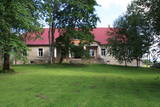 |
Lodes muižas ēkas izvietojušās t.s. Lodes – Taurenes subglaciālās iegultnes (cauri tek Gauja) austrumu nogāzē. Muižas apbūve tapusi 19. gs. pirmajā pusē, bet kungu māju (klasicisma stils) cēla 1815. g. Pēdējie īpašnieki, kas šeit saimniekoja (līdz 1939. g.) – bija Šmidtu dzimta. Mūsdienās muižas pilī vasarās dzīvo LU Ģeogrāfijas un Zemes zinātņu fakultātes studenti, kuriem šeit ir lauku prakšu norises vieta. Kungu māja apskatāma no ārpuses. |
|


